



The New Freedom on Wheels
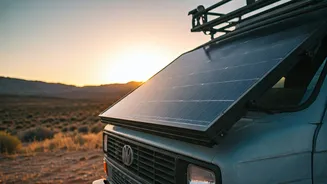
Forget relying on hotel bookings or noisy, crowded campsites. A growing movement of young Indians is embracing a new kind of travel freedom, one that’s powered by ingenuity and sunlight. They are converting everyday vehicles—from Maruti Omnis and Tata
Wingers to larger Force Travellers—into custom campers. The crown jewel of these builds isn't a fancy stereo system or a plush bed; it’s the solar panel array glistening on the roof. This isn’t just about a weekend getaway; for many, it's a fundamental shift in lifestyle. It’s about the ability to work, live, and explore on their own terms, untethered from the conventional power grid. This trend combines India's long-standing love for road trips with a modern desire for sustainability and autonomy, creating a vibrant subculture of digital nomads and adventure seekers.
Why Solar Is the Game-Changer
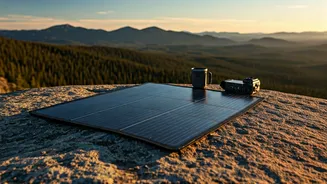
So, why the obsession with solar? The primary driver is independence. A solar setup allows travellers to go completely off-grid. It means having the power to run lights, charge laptops and phones, operate a small fridge, and even power a fan, all without needing to plug into a power source at a campsite or hotel. This drastically reduces running costs and opens up remote, beautiful locations that were previously inaccessible for long-term stays. Beyond the practical, there's a strong philosophical pull. For a generation deeply conscious of its environmental impact, solar power offers a cleaner, quieter alternative to running a noisy, polluting generator. It aligns with a minimalist ethos, forcing a mindful approach to energy consumption—you only use what the sun provides and what your batteries can store.
The Anatomy of a Solar Setup
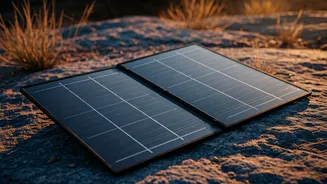
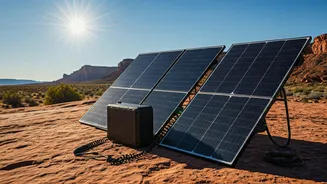
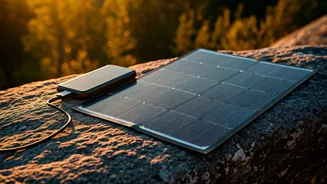
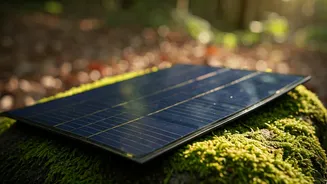
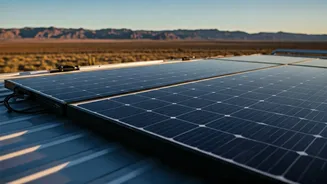
While it sounds complex, a basic vehicle solar system consists of four key components. First are the solar panels, which capture sunlight and convert it into direct current (DC) electricity. Second is a charge controller, the 'brain' of the system that regulates the flow of electricity to prevent overcharging the batteries. Third, you have the batteries themselves—typically deep-cycle batteries—which act as the energy reservoir, storing power for use at night or on cloudy days. Finally, an inverter converts the stored DC power from the batteries into alternating current (AC) power, the same type you get from wall sockets at home, allowing you to plug in standard appliances. The beauty of the trend is its scalability. Setups can range from a single, budget-friendly panel for charging phones to a multi-panel array capable of powering a mobile office.
From Jugaad to Professional Builds
The spirit of Indian *jugaad* is alive and well in the van-life community. Many get started with clever, low-cost solutions, learning from YouTube tutorials and online forums. They use recycled materials, find second-hand components, and piece together systems that are functional, if not always pretty. This DIY approach makes the lifestyle accessible to those without a massive budget. However, the trend has also spurred a cottage industry of professional customisation shops. These businesses offer polished, high-end conversions with sophisticated solar systems, integrated plumbing, and bespoke interiors for those who want the freedom without the hassle of building it themselves. This spectrum, from scrappy DIYers to high-spec commissions, shows just how broad the appeal of solar-powered travel has become.
The Reality Beyond the Instagram Post
Of course, the life of a solar-powered road-tripper isn't just a continuous stream of beautiful sunsets and scenic views. The reality involves constant problem-solving. A stretch of monsoon-heavy, cloudy days can mean strict energy rationing. Electrical systems can be finicky and require maintenance. Finding safe and legal places to park overnight can be a challenge, and the solitude of the road isn't for everyone. Vehicle breakdowns, space limitations, and the constant need for planning are all part of the unglamorous-but-essential backend of this lifestyle. Yet, for those committed to it, these challenges are part of the appeal. They are puzzles to be solved, reinforcing the sense of self-reliance and capability that drew them to the open road in the first place.