




Choose Your Trail Wisely
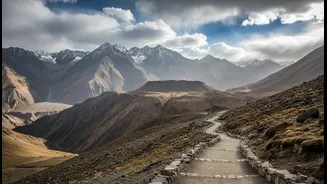
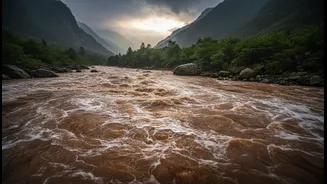
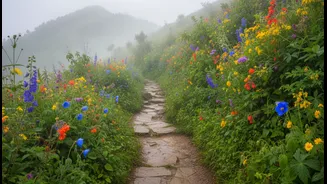
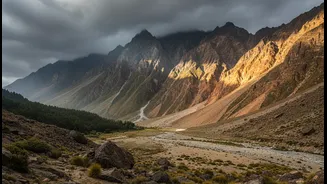
Not all trails are safe during the monsoon. Heavy rains can cause landslides and flash floods, making some routes inaccessible or dangerous. Opt for trails known to be safe during the rainy months, such as the Valley of Flowers in Uttarakhand or Sinhagad
Fort near Pune. Before you go, always check the latest weather forecasts and local conditions. Inform a reliable contact about your planned route and estimated return time. If possible, trek with a group or a certified guide, and avoid trekking alone. Choosing a well-marked trail with moderate terrain can significantly reduce risks associated with slippery paths and poor visibility.
Gear Up: Your Monsoon-Proof Checklist
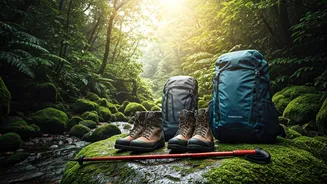
The right gear is non-negotiable for a safe monsoon trek. Your first line of defence is a high-quality poncho or a waterproof jacket and pants. Waterproof trekking shoes with deep grooves for grip are paramount to navigate slippery and muddy trails. Protect your belongings with a waterproof backpack cover and use dry sacks or plastic bags internally to keep clothes, electronics, and food dry. Quick-dry clothing made of synthetic materials is a better choice than cotton, which retains moisture and can make you feel cold. Finally, trekking poles are invaluable for maintaining balance on treacherous terrain and during stream crossings.
On-Trail Smarts: Navigating Hazards
Monsoon trails are notoriously slippery and visibility can drop suddenly due to fog or heavy rain. Always test your footing before committing your full weight, especially on mossy rocks or muddy slopes. Start your trek early in the day, as rain is often more frequent in the afternoons, and you want to avoid being on the trail after dusk. Be extremely cautious when crossing streams, as water levels can rise rapidly. If a current looks too strong, it is safer to turn back. Stay hydrated, but avoid drinking directly from streams to prevent waterborne diseases; carry your own water or use purification tablets.
The Uninvited Guests: Dealing with Leeches
Leeches are a common, though mostly harmless, nuisance on monsoon treks. To prevent bites, wear long, quick-drying pants tucked into full-length anti-leech socks. Applying insect repellent containing DEET to your clothes and shoes can also be effective. Some trekkers apply a diluted mixture of antiseptic liquid or lemon juice on their shoes and socks. If a leech does attach itself, don't panic or pull it off forcefully, as this can tear the skin. Instead, gently break its suction by sliding a fingernail or a thin object under its mouthpart, or spray it with alcohol or hand sanitiser, which will make it fall off. After removal, clean the wound with an antiseptic wipe and apply a bandage if it continues to bleed.
Be Prepared: Your Monsoon First-Aid Kit
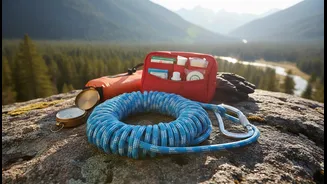
A well-stocked first-aid kit is essential. In addition to standard items like bandages, gauze, and pain relievers, your monsoon kit should have a few specific additions. Include plenty of antiseptic wipes, antibiotic ointment, and waterproof bandages to deal with cuts and scrapes in a damp environment. Blister pads or moleskin are crucial for foot care. Pack antihistamines for allergic reactions to insect bites or plants, and oral rehydration salts (ORS) to combat dehydration. Ensure you have any personal medications, a small pair of scissors, and tweezers for removing splinters or ticks. Keep everything in a waterproof bag to ensure it stays dry.