





An Unlikely Guardian: Sound
Imagine a farm where the first line of defense against pests isn’t a spray nozzle but a speaker. This isn't science fiction; it's the core idea behind acoustic pest management. As urban agriculture—from rooftop gardens to high-tech vertical farms—becomes
a critical part of our food landscape, growers are seeking smarter, cleaner ways to protect their crops. Chemical pesticides are often a non-starter in dense city environments, creating a demand for innovative alternatives. Soundwave technology offers a compelling solution: a non-toxic, eco-friendly method that deters pests without harming plants, people, or beneficial insects. It represents a shift from chemical warfare to a more nuanced, behavioral approach to crop protection.
The Science Behind the Sound
So how can sound stop a hungry insect in its tracks? The technology works by emitting specific sound frequencies, often ultrasonic waves above the range of human hearing. These sounds create an acoustically hostile environment for pests. For some insects, the frequencies mimic the sound of a predator, like a bat, triggering an instinct to flee. For others, the constant, irritating noise disrupts their fundamental behaviors: navigating, communicating, mating, and feeding. The key is precision. Different pests respond to different frequencies, so researchers are developing a library of sounds tailored to specific threats, from moths to grasshoppers. The goal isn't necessarily to kill the pests but to make the area so uncomfortable that they simply leave, protecting the crops without collateral damage.
A Perfect Fit for Urban Farms
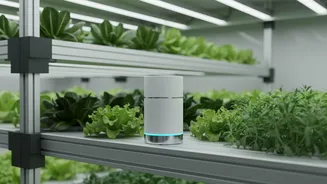
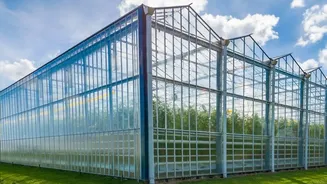
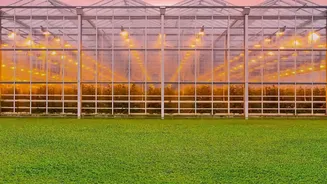
While sound-based pest control has applications in traditional agriculture, it is uniquely suited to the challenges of urban farming. In enclosed spaces like vertical farms or greenhouses, soundwaves can be contained for maximum effect. There are no chemical residues to worry about, which is crucial for consumer trust and safety in an urban setting. Furthermore, this method aligns perfectly with the sustainable and organic ethos that drives much of the urban agriculture movement. It allows for produce to be grown close to consumers without the environmental baggage of conventional pesticides. For rooftop gardens nestled among apartment buildings, a silent, sonic fence offers protection without disturbing the human neighbors, providing a discreet yet powerful tool.
From Lab to Lettuce
The transition of acoustic pest control from a promising concept to a widely available product is well underway, though it's still an emerging field. Several companies now offer ultrasonic repellers, often powered by solar energy for off-grid use. However, the technology is not a one-size-fits-all magic bullet. Its effectiveness can depend on the type of pest, the size of the area, and environmental factors like physical obstructions that can block soundwaves. Researchers are continuously working to refine the technology, making devices more powerful, more targeted, and more adaptable. The ultimate vision is a smart system where sensors detect the specific type of pest present and automatically broadcast the most effective deterrent frequency, creating a dynamic and responsive shield for the crops.