





Beyond the Traditional Houseboat
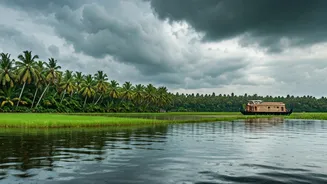
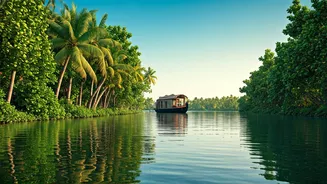
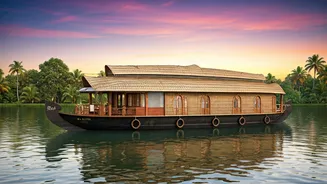
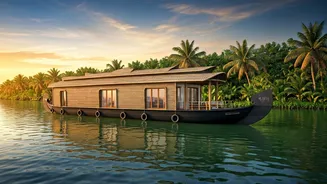
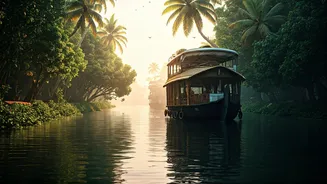
For decades, the quintessential Keralan backwater experience has been synonymous with the *kettuvallam*, or traditional houseboat. While these floating marvels offer a unique perspective, a quieter, more grounded alternative is gaining favour among discerning
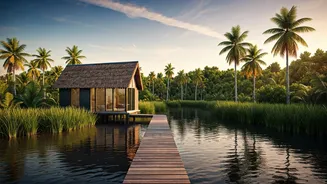
travellers: the private eco-cabin. Dotted along the banks of serene lakes and narrow canals, these cabins offer the same breathtaking views but with a deeper connection to the land and local life. Unlike a houseboat, which is constantly on the move, a cabin provides a stationary base. It’s an invitation to slow down completely, to observe the rhythm of the village, and to immerse yourself in the stillness of your surroundings without the faint hum of a motor.
What Defines an 'Eco-Cabin'?
The term 'eco' is more than just a buzzword here; it’s a philosophy woven into the very fabric of the stay. True backwater eco-cabins are designed with minimal environmental impact. Construction often utilizes local, renewable materials like bamboo, reclaimed wood, and coconut fibre. Many are built on stilts in the traditional style, respecting the natural flow of water. Sustainability is key. Expect solar panels for power, rainwater harvesting systems, and organic gardens that supply the kitchen with fresh produce. Waste is meticulously managed, often through composting and recycling programs, and single-use plastics are strongly discouraged. This approach not only preserves the fragile backwater ecosystem but also offers you a stay that is genuinely restorative and responsible.
A Day in Your Private Oasis
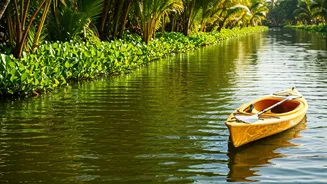
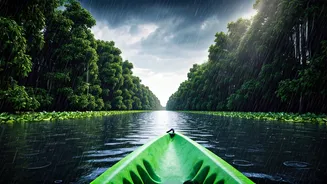
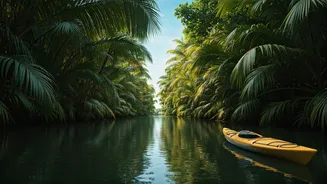
Your day begins not with an alarm, but with the changing light filtering through your window. After a simple, delicious breakfast of local specialities like *puttu* or *appam*, the day is yours to craft. You might take a canoe or kayak to explore the smaller, more intimate channels that larger boats cannot reach, paddling past villagers going about their day. The afternoon could be spent reading in a hammock strung between two coconut palms, watching cormorants dive for fish. Many eco-lodges offer guided bird-watching walks, village tours, or lessons in local cuisine. As evening descends, the sky erupts in colour. You can simply sit on your verandah, listening to the symphony of frogs and crickets as the water reflects the setting sun—a private spectacle of unparalleled peace.
Choosing Your Backwater Base
The backwaters stretch across a vast network, but two primary areas offer distinct experiences for an eco-cabin stay. Alleppey (Alappuzha) is the bustling, famous hub, often called the 'Venice of the East.' Staying in a cabin on its periphery gives you access to this vibrant network while still providing a quiet retreat. For ultimate tranquillity, consider the area around Vembanad Lake, particularly near Kumarakom. This region is known for its luxury eco-resorts and secluded stays. It’s generally quieter, with wider expanses of water and a renowned bird sanctuary. Your choice depends on your preference: proximity to the classic backwater 'highways' of Alleppey or the profound quiet of the less-travelled canals around Kumarakom.
Planning Your Sustainable Escape
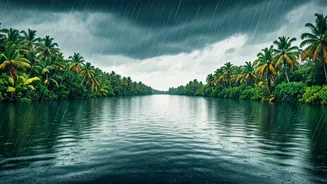
The best time to visit the backwaters is from September to March, after the heavy monsoons, when the weather is pleasant and the landscape is at its most vibrant. Due to the intimate and often small-scale nature of these eco-lodges, it's essential to book well in advance, especially during peak season. Pack light, breathable cotton clothing, a good sun hat, and effective, eco-friendly insect repellent. Most importantly, pack a good book and an open mind. The magic of an eco-cabin isn't about a packed itinerary; it’s about disconnecting from the noise and reconnecting with the simple, profound beauty of nature.