








From Tourist to Temporary Local
The philosophy of slow travel is simple: depth over breadth. Instead of racing through a checklist of cities and sights, you immerse yourself in a single destination. This approach allows you to move beyond the crowded tourist trails and discover the true
rhythm of a place. You start to notice the small things: the way the light hits a particular street in the morning, the corner shop with the best snacks, or the park where locals gather. By lingering, you transition from a mere observer to a participant in the daily life of the community, fostering a deeper connection and understanding that a fleeting visit can never provide. This shift in mindset is where the real magic happens, turning a simple trip into a transformative experience.
Mastering the Metropolis on a Budget
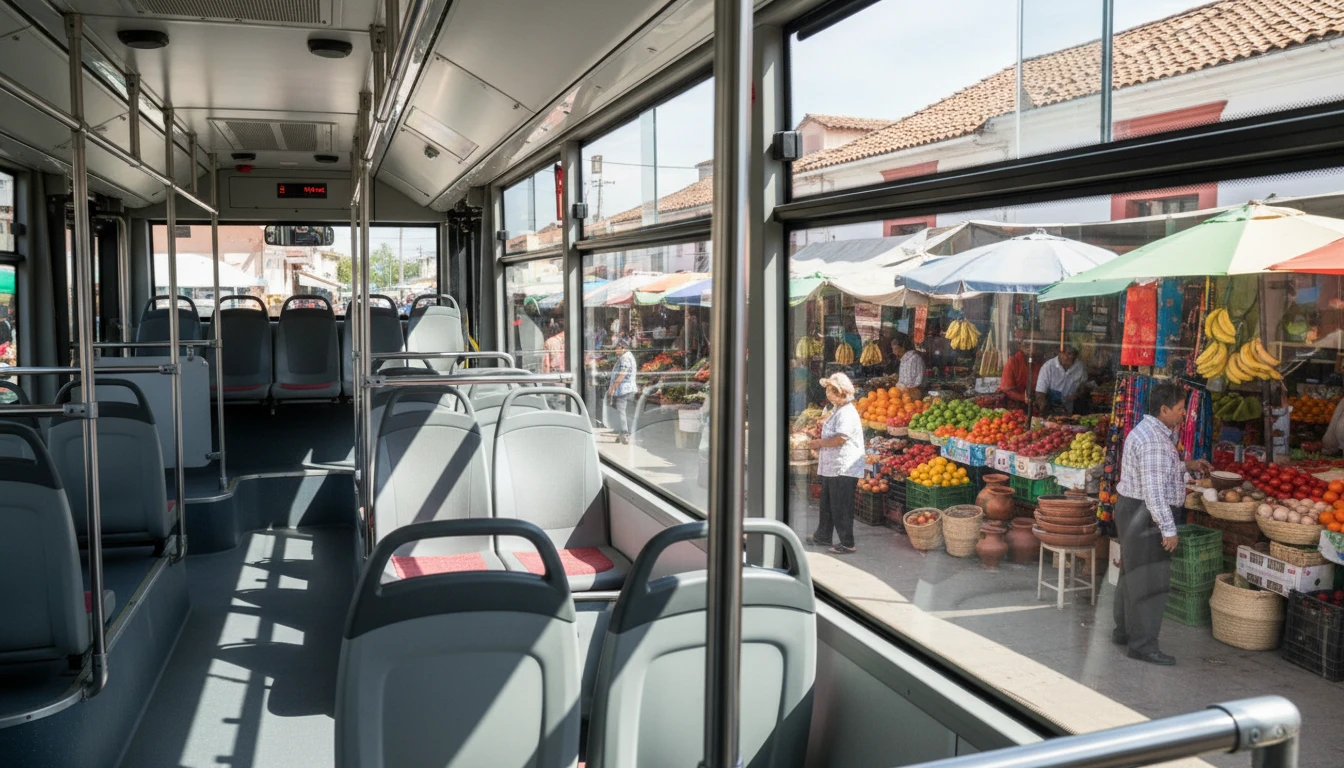
One of the most practical benefits of a longer stay is cracking the code of local public transportation. A short-term visitor might rely on expensive taxis or tourist-centric shuttle services out of convenience. But when you have more time, you can learn the local bus or train system. This is not just a way to save money, although the savings from using weekly or monthly passes instead of single-fare tickets can be substantial. It's an empowering experience that opens up the entire city. You gain the confidence to explore neighbourhoods far from the city centre, finding hidden gems and authentic eateries that aren't in the guidebooks. Using public transport allows you to travel as residents do, offering a genuine glimpse into the area's culture and daily routines.
More Than Just a Consumer
Longer stays change your economic footprint. Instead of concentrating your spending in tourist hotspots, your money flows into a wider array of local businesses. You become a patron of the neighbourhood bakery, a regular at a family-owned restaurant, and a customer at the local market. This sustained spending provides a more stable source of income for small businesses and helps preserve the unique character of the community. Furthermore, you begin to use services that are integral to local life. You might find a local library to work from, join a neighbourhood gym, or get a haircut from a local barber. These everyday interactions foster a sense of belonging and allow you to build relationships, however brief, that are far more meaningful than typical tourist transactions.
The Unexpected Mental and Financial Perks
Slowing down isn't just good for your wallet; it's good for your well-being. The constant rush of traditional tourism can activate the body's stress response, leaving you feeling depleted. A longer, more leisurely pace allows your nervous system to relax and recover, reducing stress and anxiety. The financial benefits extend beyond cheaper transport. Accommodation providers, from hotels to apartment rentals, often offer significant discounts for weekly or monthly stays. By cooking some of your own meals with ingredients from local markets, you save on the high cost of dining out for every meal. These savings make long-term travel surprisingly affordable, often costing less per day than a fast-paced, shorter vacation.