





Why Watching Leaves Can Be Misleading
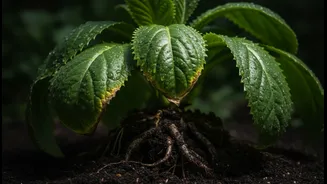
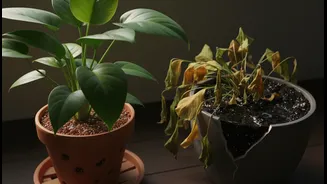
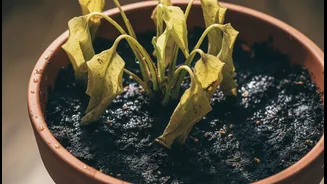
When we see yellowing leaves or wilting, our first instinct is often to assume the plant is thirsty. However, these are frequently late-stage symptoms of a much bigger problem: root rot. By the time the foliage shows signs of distress, the root system
may already be significantly damaged. The leaves are wilting because the compromised roots can no longer absorb water and nutrients, no matter how damp the soil is. This creates a confusing cycle where a plant owner might add more water to a wilting plant, accidentally making the root rot worse.
The Real First Check: Soil and Scent
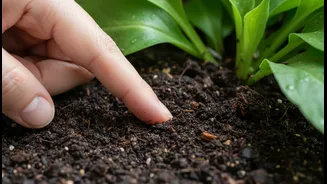
An accurate, early diagnosis begins with the soil. Before you even think about unpotting your plant, use your senses. Stick your finger about two inches deep into the potting mix. If it feels soggy or wet days after you last watered, that's a red flag. Healthy soil smells clean and earthy. In contrast, soil harboring root rot often gives off a distinct, unpleasant odour that can be described as swampy, sour, or musty. This foul smell is caused by the bacteria and fungi that thrive in the oxygen-deprived conditions of waterlogged soil.
The Definitive Diagnosis: A Root Inspection
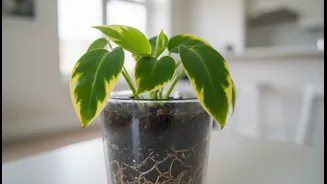
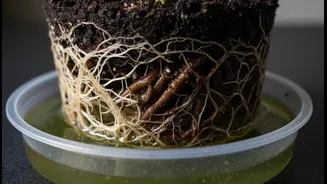
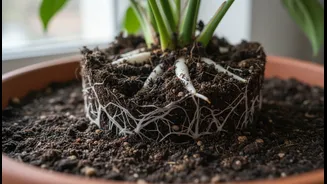
If the soil check raises concerns, it's time for a direct inspection. Gently slide the plant out of its pot to examine the root ball. Healthy roots are typically firm and white or tan in colour. They should feel robust. The signs of root rot are unmistakable once you see them: the roots will be brown or black, feel soft and mushy to the touch, and may even fall apart easily. In advanced cases, the outer layer of the root may slide right off, leaving a thin, thread-like core behind. If you see any combination of these symptoms, you can be sure you're dealing with root rot.
The Rescue Mission: How to Treat Root Rot
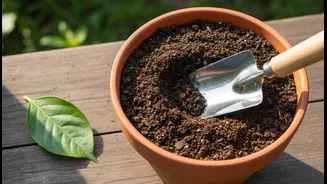
If you catch it early and some healthy, white roots remain, your plant can be saved. First, carefully remove all the old, contaminated soil and gently rinse the roots under lukewarm water. Using a pair of clean, sterilized scissors, trim away every single brown, mushy root. Be thorough and cut back into the healthy tissue to ensure you've removed all the rot. Some experts recommend dipping the remaining healthy roots in a diluted hydrogen peroxide solution to kill lingering fungal spores before repotting. Always discard the old soil and repot the plant in a clean pot with fresh, well-draining soil to prevent reinfection.
Prevention Is the Best Plant Medicine
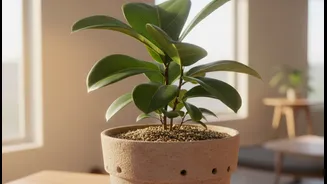
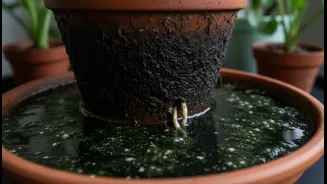
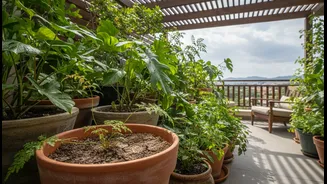
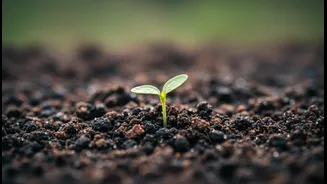
The best way to deal with root rot is to prevent it from ever starting. The number one cause is overwatering. Always check if the top inch or two of soil is dry before watering again. Ensure your pot has adequate drainage holes to let excess water escape, and never let your plant sit in a saucer full of water. The right soil mix is also crucial. Avoid using heavy garden soil, which compacts easily. Instead, use a light, airy potting mix containing ingredients like perlite or orchid bark, which improve drainage and allow oxygen to reach the roots.