


Sarson (Mustard Greens)
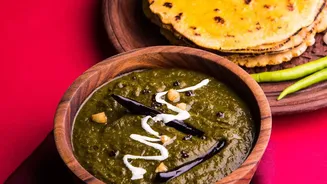
No Indian winter is complete without the mention of Sarson ka Saag. These pungent, vibrant green leaves are a powerhouse of nutrition. Traditionally considered a 'warming' food, mustard greens are exceptionally rich in vitamins C, A, and K. Vitamin C is crucial
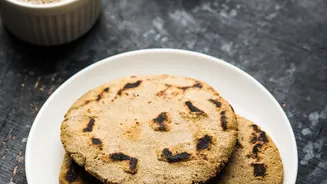
for a strong immune system, helping the body fight off common winter ailments like colds and flu. Vitamin K and calcium contribute to bone health, which is particularly important in colder months. Moreover, Sarson is packed with antioxidants and dietary fibre, which aids digestion—a system that can become sluggish in winter. Enjoy it as the classic saag with makki di roti for a wholesome and soul-warming meal.
Gajar (Carrots)
Winter brings the sweet, crisp red carrots that are a seasonal delight across the country. Famous as the star ingredient in Gajar ka Halwa, these carrots are more than just a dessert ingredient. They are an excellent source of beta-carotene, which the body converts into Vitamin A. This vitamin is essential for maintaining good vision, a strong immune system, and healthy skin. The fibre in carrots helps with digestion and can aid in weight management by keeping you full for longer. Carrots also contain potassium, which helps in regulating blood pressure. Whether eaten raw in salads, juiced, or cooked in sabzis and stews, carrots are a versatile winter staple.
Amla (Indian Gooseberry)
Amla, the small, tart green fruit that appears in winter, is revered in Ayurveda as a 'nectar of life'. It is one of the most potent natural sources of Vitamin C, containing significantly more than oranges. This makes it a powerful immunity booster, ideal for warding off winter infections. Amla is also loaded with antioxidants that support skin health by promoting collagen production, which combats the dryness common in winter. Its high fibre content aids digestion and helps detoxify the body. You can consume amla raw with a sprinkle of salt, as a juice, or in the form of pickles and murabba (sweet preserve).
Bajra (Pearl Millet)
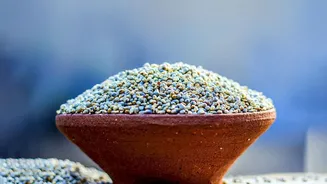
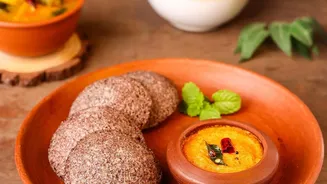
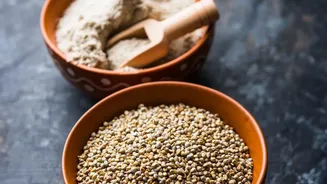
A traditional staple in many parts of India, especially Rajasthan and Gujarat, Bajra is a fantastic winter grain. According to Ayurveda, it is an 'ushna' or warming food, meaning it helps generate metabolic heat to keep the body warm. This gluten-free millet is rich in complex carbohydrates that provide sustained energy, helping to combat winter lethargy. It is also a good source of iron, magnesium, and protein. Magnesium is beneficial for heart health, while its high fibre content supports a healthy digestive system. Enjoy Bajra in the form of rotis, khichdi, or porridge for a nourishing and energizing meal.
Shakarkandi (Sweet Potato)
A popular winter street food, roasted Shakarkandi is both delicious and incredibly nutritious. This root vegetable is an excellent source of dietary fibre, vitamins, and minerals. Orange-fleshed varieties are particularly rich in beta-carotene, a precursor to Vitamin A, which is vital for eye health and immune function. Sweet potatoes also contain Vitamin C and manganese, which further support immunity and bone health. Their high fibre content aids digestion and helps in regulating blood sugar levels. Enjoy this naturally sweet vegetable roasted with a squeeze of lemon and a dash of chaat masala, or add it to soups and sabzis.
Mooli (Radish)
Often used in salads, parathas, and pickles, the crisp and peppery Mooli is another winter essential. This root vegetable is low in calories but high in water content and dietary fibre, making it great for digestion and for keeping the body hydrated. Radishes are a good source of Vitamin C, which boosts immunity and helps fight off coughs and colds. They also possess anti-congestive properties that can help clear mucus. Furthermore, the potassium in radishes can help regulate blood pressure, a common concern that can be aggravated during colder weather.
Singhara (Water Chestnut)
Available fresh during the winter season, Singhara is a crunchy and mildly sweet aquatic vegetable. It's a low-calorie snack that's rich in potassium, a mineral that helps regulate blood pressure and supports heart health. Singhara is also a good source of fibre and antioxidants. Its high water content helps with hydration, while its nutrients provide sustained energy, making it a popular food during fasting periods. Typically eaten raw after peeling, it can also be boiled or roasted. The flour made from dried water chestnuts, known as Singhara atta, is a popular gluten-free alternative.