






A Monsoon of Extremes
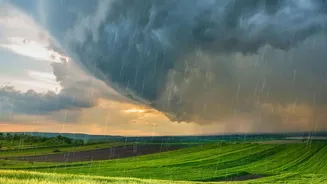
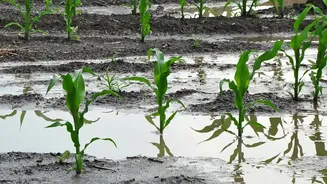
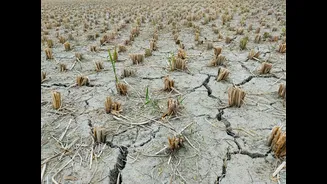
The 2026 southwest monsoon has been one of the most spatially distorted in a decade. While some areas, like West Bengal, have received excess rain, vast agricultural belts have been left wanting. Overall, rainfall is about 14-15% below normal, but this
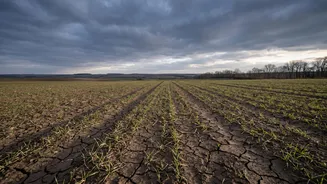
national average hides the severe deficits in key regions. The southern peninsula and east/northeast India have faced shortfalls of over 20%. This lopsided performance means that while one farmer might be dealing with waterlogging, another, just a few states away, is contending with depleted soil moisture. This inconsistency is proving more challenging for the agricultural economy to navigate than a straightforward national deficit.
The Crucial Role of Reservoirs
The winter, or rabi, crop season is heavily dependent on the water stored in India's vast network of reservoirs. These water bodies are filled by the monsoon and provide the necessary irrigation for crops like wheat, gram, and mustard, which are grown during the drier months. As of mid-September, the water storage in India's major reservoirs was below the normal level for this time of year, and significantly lower than the previous year. The recovery has been uneven; while western and central regions have seen levels rise above normal, storage in northern and southern states remains sharply deficient. This is a major concern, as states in the south and north rely heavily on this stored water for rabi cultivation.
A Difficult Decision for Farmers
This uncertainty translates directly into difficult choices for millions of farmers. The amount of moisture in the soil and the availability of irrigation water from reservoirs will dictate what they can plant. In areas with low soil moisture and poor reservoir levels, farmers may be forced to shift from water-intensive crops like wheat to those that require less water, such as pulses and oilseeds. The timing of sowing is also critical. Delayed planting can expose crops to adverse weather conditions later in their growth cycle, potentially reducing yields. Despite the challenges, farmers have shown remarkable adaptability during the preceding kharif season, adjusting sowing in real-time as rains appeared, with overall acreage reaching near-normal levels. However, the rabi season will be a true test of this resilience.
Key Crops Under a Cloud
The outlook for India’s primary rabi crops is mixed and region-dependent. Wheat, the main winter cereal, is almost entirely irrigated, making it highly reliant on reservoir levels in the northern plains. Deficient storage in this region is a point of concern. For rainfed crops like gram (chickpea) and mustard, which are crucial pulses and oilseeds, the residual moisture left by the monsoon is paramount. Regions in central and southern India, which are major producers of these crops, have experienced both low rainfall and subsequent low soil moisture. The performance of these key crops, which make up about half of India's foodgrain production, will be determined in the critical sowing window over the next several weeks.
The Economic Ripple Effect
The fate of the rabi crop has implications that extend far beyond the farm gate. A poor harvest could put upward pressure on food inflation, which has already been a concern. Food prices for items like onions and ginger have already seen sharp increases. A subdued rabi season would also impact rural incomes and, consequently, rural demand, which is a significant driver of the broader economy. While government officials have expressed confidence that the situation is manageable and that strong crop output is expected, the underlying risk remains. The performance of the rabi harvest will be a key factor in determining India's food security and economic stability in the coming months.