




The Science Behind The Shed
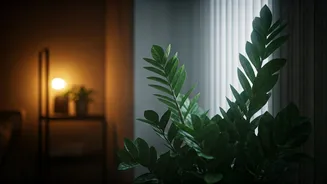
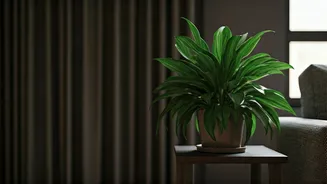
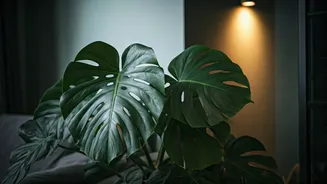
When a houseplant starts dropping leaves in a dimly lit corner, it isn't being dramatic; it's being strategic. This process, known as abscission, is a survival mechanism. Plants generate energy through photosynthesis, a process that requires light. If
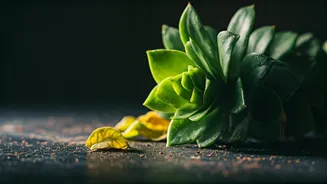
a plant isn't receiving enough light, it can't produce enough energy to support all of its leaves. To conserve resources, the plant makes a calculated decision to shed the leaves that are not producing their keep, often the lower ones that receive the least light. It’s a clever act of self-preservation, where the plant cuts its losses to ensure the survival and growth of its upper, more productive parts.
Reading The Leafy Signs
A plant will often give you clues that it's struggling with low light long before the leaves fall. One of the most common signs is yellowing leaves, particularly on the lower parts of the plant. This happens as the plant breaks down and reabsorbs the chlorophyll from the leaf before shedding it. You might also notice 'leggy' growth, where stems become long and stretched with wide gaps between the leaves as the plant reaches desperately for a light source. Other signs include new leaves that are smaller than older ones or a variegated plant losing its distinct patterns and reverting to solid green. Observing these symptoms early can help you intervene before the leaf drop becomes severe.
Is It Just The Light?
While insufficient light is a prime suspect, it's not the only reason a plant might shed its leaves. Overwatering, underwatering, sudden temperature changes, drafts, and pests can also cause leaf drop. So how can you tell the difference? Low-light leaf drop is typically a gradual process, often starting with the lower leaves turning yellow and then falling. In contrast, overwatering might cause leaves to yellow and become mushy before dropping. Underwatering can lead to crispy, brown leaves that fall off. If a plant drops healthy-looking green leaves suddenly, it could be a sign of shock from a recent move or a sudden draft. By examining the context and the type of leaf drop, you can better diagnose the root cause.
Simple Fixes for a Brighter Outlook
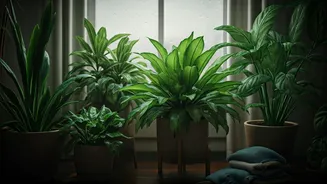
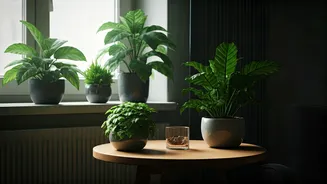
Once you've determined low light is the culprit, the solutions are straightforward. The most obvious fix is to move your plant to a brighter location. An east-facing window that provides gentle morning sun is often ideal for many houseplants. If you don't have a better spot, consider supplementing with a full-spectrum grow light, which can mimic natural daylight. Regularly wiping dust off the leaves with a damp cloth can also help maximize their ability to absorb what light is available. Finally, rotating your plant a quarter-turn once a week ensures all sides get some exposure, preventing lopsided leaning and promoting even growth.
Low-Light Tolerant Is Not No-Light
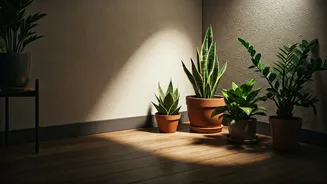
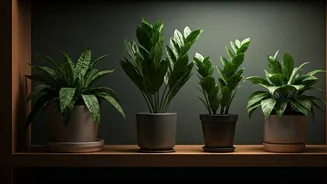
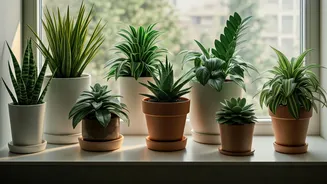
Many plants are marketed as being 'low-light tolerant', which can sometimes be misleading. This label means a plant can survive in lower light conditions, but it doesn't mean it will thrive without any light at all. Popular choices like the Snake Plant (Dracaena trifasciata), ZZ Plant (Zamioculcas zamiifolia), and Cast Iron Plant (Aspidistra elatior) are incredibly resilient and can handle dimmer corners of your home better than most. However, even these tough plants appreciate bright, indirect light and may show signs of stress, like slower growth or less vibrant color, if kept in near-darkness for too long. Think of them as adaptable, not invincible.