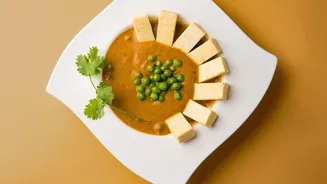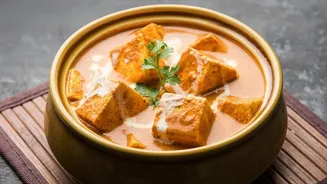

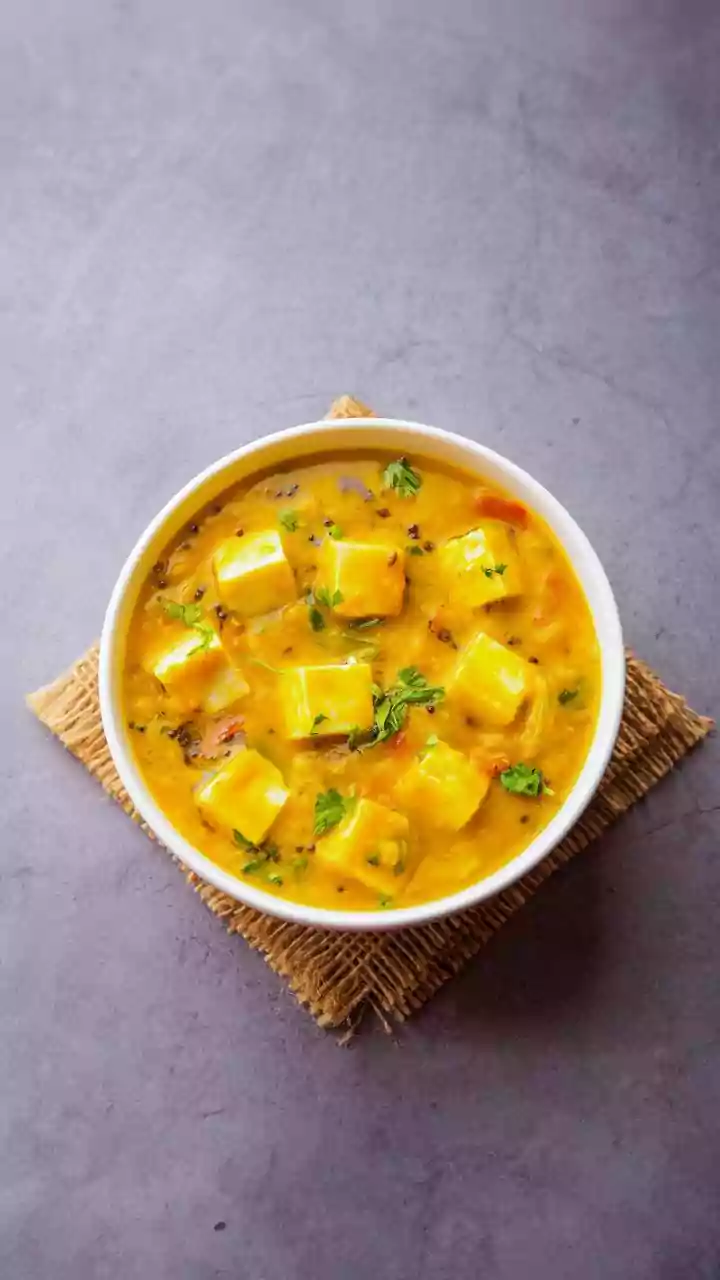
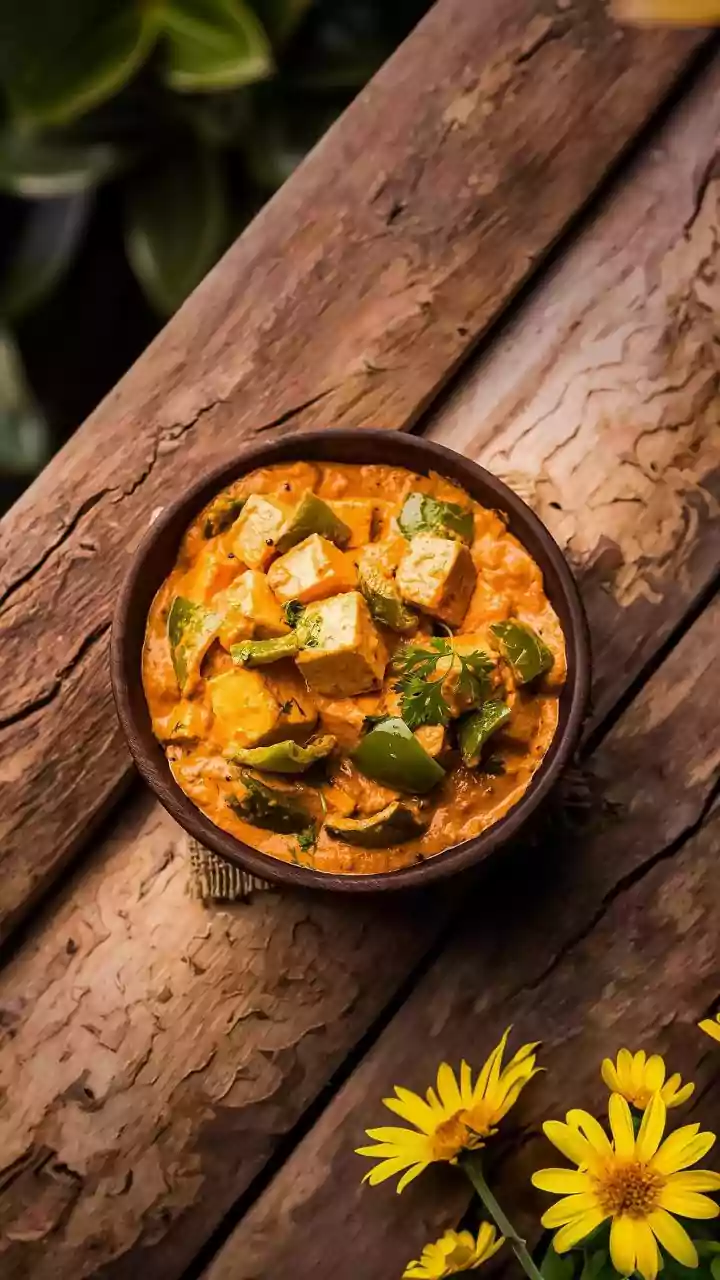

The craving is universal: a rich, creamy bowl of restaurant-style paneer butter masala or perfectly charred paneer tikka. For years, this was a luxury best ordered out. But a quiet revolution has happened in our own homes.
The Real Cost of a Paneer Dinner
The most compelling reason to
cook paneer at home is the significant cost saving. A single serving of a popular paneer dish like Shahi Paneer or Paneer Makhani at a mid-range restaurant can easily cost between ₹300 and ₹500. By contrast, preparing the same dish at home for a family of four can be done for a fraction of that price. The primary ingredients — paneer, tomatoes, onions, cream, and spices — are relatively inexpensive. A 200-gram block of good quality paneer costs far less than a single restaurant portion. When you calculate the cost of each ingredient per serving, the homemade version is overwhelmingly more economical, allowing you to enjoy a lavish meal without the fine-dining price tag.
Your Kitchen's Modern Arsenal
Today’s kitchens are better equipped than ever to replicate complex restaurant techniques. The single most important tool is a powerful mixer-grinder. Restaurant gravies are famously silky and smooth, a texture achieved by blending the base masala of onions, tomatoes, and cashews into an incredibly fine paste. Modern 'mixies' can now easily create this emulsion, eliminating the grainy texture that often plagued homemade curries in the past. Additionally, good quality non-stick kadhais and pans allow for searing paneer and sautéing masalas without sticking or burning, while reliable pressure cookers can prepare the base ingredients in minutes. These tools, once considered premium, are now standard in many Indian homes, closing the gap between the home cook and the professional chef.
Sourcing Superior Ingredients
Access to high-quality ingredients has also transformed home cooking. Gone are the days of relying on a single local dairy. Supermarkets and online grocery platforms now offer a wide variety of paneer, from soft malai paneer perfect for curries to firmer blocks ideal for grilling. The quality of spices has also improved. Many home cooks now toast and grind their own spices, a simple step that dramatically enhances aroma and flavour, mimicking a key restaurant practice. Even specialised ingredients like kasoori methi (dried fenugreek leaves), which adds a signature smoky aroma, are now widely available. Some cooks even make their own paneer, which is not only cheaper but results in a softer, fresher product.
Mastering Restaurant Techniques at Home
The 'secret' to restaurant paneer often lies in a few simple techniques that are easy to adopt. One of the most common mistakes is overcooking the paneer, which makes it tough and rubbery. Chefs often add paneer at the very end of the cooking process, letting it warm through in the gravy for just a couple of minutes before serving. Another trick is to soak storebought paneer in warm water for 15–20 minutes before use; this simple step makes it wonderfully soft. For a rich, vibrant gravy, using cashews for creaminess and Kashmiri red chilli powder for colour without excessive heat is a classic restaurant move. Finally, crushing kasoori methi between your palms before adding it to the dish releases its essential oils and provides an instant aromatic lift.
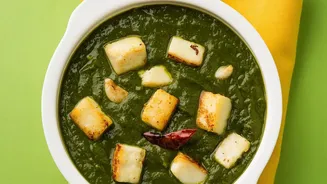
While Paneer Butter Masala is the star, these principles apply across a wide range of dishes. Whether you're making a robust Kadai Paneer, a spicy Paneer Tikka, or a wholesome Palak Paneer, the fundamentals remain the same. Using a hot pan to sear the paneer quickly creates a delicious crust without overcooking the inside. Building flavour in layers — blooming whole spices in oil, browning onions properly, and cooking down the tomato base — creates a depth that rivals any restaurant dish. The modern Indian home cook has the tools, the ingredients, and, most importantly, the knowledge to turn this beloved cheese into a spectacular meal, any night of the week.