


The Power of Pulses and Grains
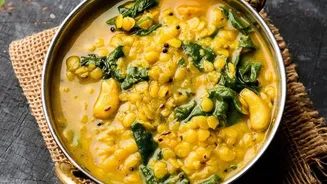
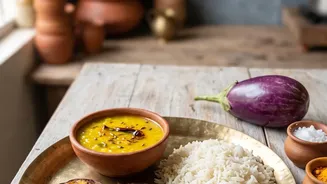
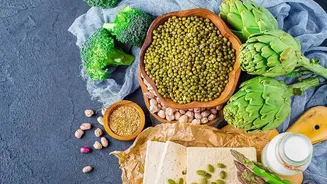
The magic of many Indian vegetarian meals lies in the combination of pulses (like dals, chickpeas, and beans) with grains (like rice and wheat). Plant-based proteins can be 'incomplete', meaning they lack one or more essential amino acids. Grains are
typically low in the amino acid lysine, which pulses have in abundance. Conversely, pulses are often lower in other amino acids that grains contain. When eaten together, they form a 'complete protein', providing all the essential amino acids your body needs, similar to animal-based proteins. This complementary pairing is a cornerstone of a balanced vegetarian diet and is naturally embedded in many classic Indian breakfast dishes.
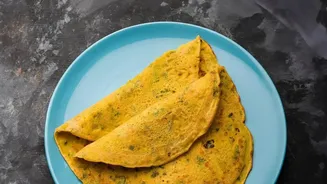
Moong Dal Chilla
Perhaps the most efficient protein-packed Indian breakfast, the moong dal chilla is a savoury pancake made from a batter of soaked moong dal (split green gram). It's light, easy to digest, and naturally gluten-free. A serving of two regular-sized chillas can provide between 14 to 20 grams of protein, making it a formidable rival to a two-egg omelette. The dal itself provides the protein, and when served with a side of whole-wheat roti or even just a dollop of curd, it becomes a nutritionally complete meal to start your day. For an extra protein boost, you can stuff the chilla with crumbled paneer.
Adai Dosa
Hailing from Tamil Nadu, Adai is a thick, flavourful pancake that is a protein powerhouse. Unlike a standard dosa, its batter is made from a coarse grind of multiple lentils—like toor dal, chana dal, and urad dal—with a small amount of rice. This blend of various pulses makes Adai incredibly rich in protein and fibre. A serving of two adai dosas can contain between 12 and 18 grams of protein. It offers a diverse amino acid profile and keeps you feeling full for hours, preventing mid-morning hunger pangs.
Pesarattu
This vibrant green dosa from Andhra Pradesh is made entirely from whole green moong dal, without any rice in the batter. This makes Pesarattu exceptionally high in protein compared to its rice-based cousins. Two pieces deliver a substantial 10 to 14 grams of protein. Traditionally, it's served with a ginger chutney, and a popular variation known as 'MLA Pesarattu' comes stuffed with upma (a semolina-based grain dish), perfectly illustrating the pulse-grain combination in action. The dish is also rich in fibre, iron, and folate.
Dhokla
This soft, spongy, and steamed savoury cake from Gujarat is a beloved snack across India. Made from a fermented batter of besan (gram flour, derived from chickpeas), dhokla is light on the stomach but nutritionally dense. The fermentation process not only gives it a unique texture but also increases the bioavailability of its nutrients. While its protein count is more modest, at around 5-6 grams per 100g serving, it's a low-calorie, steamed option that contributes to your daily protein intake without adding unhealthy fats. Paired with a side of green chutney, it's a guilt-free and refreshing breakfast.
Idli and Sambar
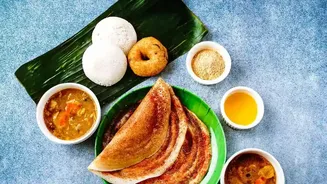
The quintessential South Indian breakfast of Idli-Sambar is another classic example of combining a grain with a pulse. Idlis are steamed cakes made from a fermented batter of rice (a grain) and urad dal (a pulse). While a serving of plain idlis has a modest protein content of about 4-5 grams, the real protein boost comes from the sambar it's served with. A thick, well-made sambar, rich in toor dal (pigeon peas), can add another 8-12 grams of protein to the meal, easily bringing the total to a respectable amount for a fulfilling and complete-protein breakfast.