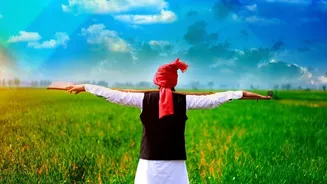








A Monsoon of Two Halves
The 2026 southwest monsoon is proving to be dangerously erratic. While rainfall in July and early August helped recover from a severe deficit in June, the distribution has been worryingly uneven. As of mid-August, the cumulative national rainfall deficit stood
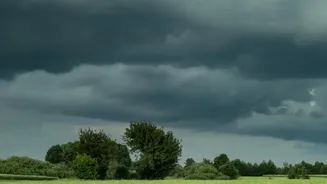
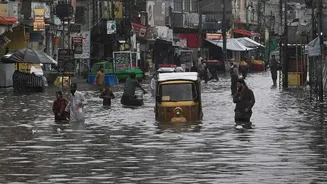
at around 12-13% below the long-period average. This headline number, however, conceals a more complex problem. The real issue is the stark regional variation: parts of East and Northeast India are facing deficits as high as 27%, with the Southern Peninsula also experiencing a 20% shortfall. This means while some areas have received intense downpours, leading to waterlogging, vast agricultural belts in other states are grappling with prolonged dry spells. Experts warn that this pattern of a few days of heavy rain followed by a long dry period is detrimental, as it fails to maintain the soil moisture crucial for crop growth.
Impact on Key Kharif Crops
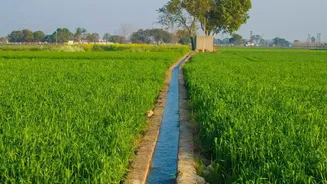
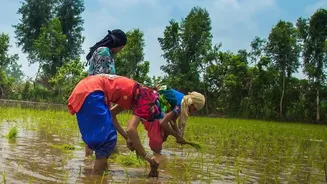
This inconsistency in rainfall is occurring at a critical time for Kharif crops, which are now in their main growth phase where yields are determined. The sowing season has largely concluded, with overall acreage down by about 2% compared to last year. Paddy, the main Kharif crop, has seen its acreage decline by approximately 3.7%. This is a major concern, as rice cultivation is heavily dependent on consistent water supply. Other important crops like tur (pigeon pea) and maize have also seen a 4% drop in sowing area. The situation is particularly precarious for rain-fed crops like soybeans, which are at risk of reduced yields if moisture stress continues through late August, a key period for flowering and pod formation. This unevenness forces farmers into difficult decisions, with some reportedly shifting to less water-intensive crops or short-duration vegetables to mitigate risks.
The Farmer's Mounting Pressure
For India's farmers, this climatic gamble creates immense financial and operational pressure. The choice of when and what to sow becomes a high-stakes decision. A delayed monsoon disrupts the entire agricultural calendar, while erratic showers can lead to failed germination or damaged saplings, sometimes forcing farmers to re-sow at an additional cost. With around half of India's farmland being rain-fed, the monsoon's performance is directly tied to rural livelihoods. The current scenario, with drought-like conditions reported across 64% of the country's agricultural area as of mid-August, puts standing crops under significant stress. Major food-producing states like Punjab, Karnataka, and Madhya Pradesh are reportedly facing extreme drought conditions, increasing agricultural distress for millions dependent on the harvest.
Why It Matters for Everyone
The challenges on the farm have a ripple effect across the entire economy. The Kharif season is a cornerstone of India's food security and economic stability. A poor harvest can lead to lower agricultural output, putting upward pressure on food prices and stoking inflation. This directly impacts household budgets in both rural and urban areas. Furthermore, since the agricultural sector employs a large portion of the population, a weak season dampens rural demand for goods and services, which can slow down overall economic growth. The situation has already raised concerns about India's ability to maintain its exportable surpluses of commodities like rice and sugar, which could have implications for global food markets. The government is now closely monitoring the situation, especially with forecasts suggesting that rainfall could weaken further as El Niño conditions strengthen.