

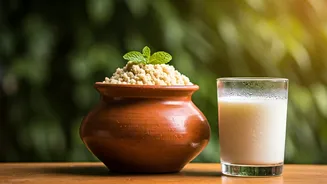



The Great Summer Contradiction
Indian summers are relentless. The scorching sun and suffocating humidity leave us feeling drained and lethargic. Logically, our diet should shift to match the season, favouring cooling, hydrating, and easy-to-digest foods. But does it? For many of us,
the answer is no. We find ourselves eating rich gravies, deep-fried snacks, and parathas slick with ghee, simply because it’s what we’ve always done. This creates a strange paradox: our bodies are begging for relief, but our plates are offering the opposite. This isn't a failure of Indian cuisine; it's a failure to adapt our habits to the wisdom already embedded within it. The heavy, robust flavours designed for colder months have somehow become the default, overshadowing the subtler, fresher tastes perfect for summer.
Rediscovering Our Cooling Traditions
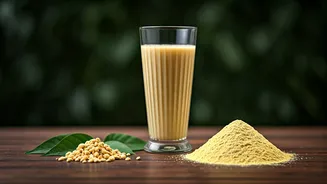
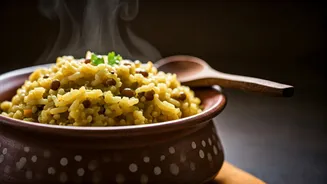
Before we rush to adopt Western salads, let’s look within our own culinary heritage. Across India, regional cuisines offer a treasure trove of summer-specific dishes that are ingeniously designed to cool the body. Think of Bengal's 'panta bhat' (fermented rice) or Odisha's 'pakhala bhata', served with light accompaniments. Consider the cooling 'solkadhi' from the Konkan coast, made from coconut milk and kokum, or the ubiquitous 'chaas' (buttermilk) of Gujarat and Punjab, spiced with roasted cumin and mint. South Indian cuisine champions 'neer mor' (spiced thin buttermilk) and countless vegetable 'kootus' made with minimal oil and a base of lentils and coconut. Even the humble 'sattu' from Bihar, when made into a cooling sharbat, is a powerhouse of nutrition and hydration. These dishes aren't just 'healthy alternatives'; they are delicious, time-tested solutions to summer heat that we have somehow pushed to the margins.
Breaking Up with Excess Oil
Somewhere along the way, the idea that more oil equals more flavour became deeply ingrained in our cooking. A floating layer of oil on a curry is often seen as a sign of a well-made dish. But this heavy-handed approach does a disservice to the ingredients. In summer, especially, excess oil masks the delicate, natural sweetness of seasonal vegetables like lauki (bottle gourd), tori (ridge gourd), and pumpkin. It makes a simple dal feel heavy and a light vegetable stir-fry feel greasy and unsatisfying. The goal isn't to eliminate oil entirely—it’s a crucial carrier of flavour and nutrients—but to use it judiciously. A well-tempered 'tadka' bloomed in a teaspoon of ghee can infuse an entire pot of dal with aroma and flavour, proving that a little goes a long way.
Simple Swaps for a Fresher Plate
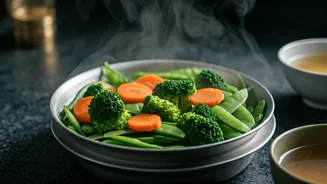
Making your summer meals lighter doesn't require a complete overhaul. It's about smart, simple swaps. Instead of deep-frying, try grilling, roasting, or air-frying your kebabs and vegetables. A tandoori marinade of yogurt and spices needs very little oil to create a beautiful char and intense flavour. When making gravies, reduce the oil and use pureed onions, tomatoes, or even boiled lentils to provide thickness and body. Swap creamy, cashew-based sauces for lighter yogurt-based curries like 'dahi aloo' or 'kadhi'. Embrace steaming as a cooking method, perfect for fish, dhoklas, and vegetables, which can then be finished with a light tempering. Finally, use fresh herbs like mint and coriander with a heavy hand. A squeeze of lime or a sprinkle of 'chaat masala' at the end of cooking can add a burst of brightness that oil never could.
Letting Freshness Be the Flavour
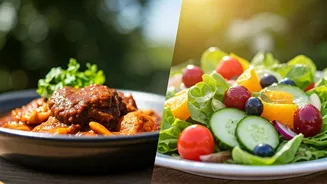
Our palates have become so accustomed to bold, heavy masalas that we sometimes forget the simple pleasure of freshness. Summer is the perfect time to retrain our taste buds. Learn to appreciate the crunch of a raw cucumber and onion 'kachumber' salad, the sweet burst of a ripe mango, or the clean taste of a simple vegetable raita. These aren't just side dishes; they are integral parts of the meal that provide contrast, texture, and a cooling balance to any cooked components. By reducing the oil and heavy spices, we allow the actual taste of the food to shine through. A summer plate should be a celebration of the season's bounty—vibrant, light, and full of life.