



Why Monsoon Demands a Smarter Veggie Strategy
The rainy season creates the perfect environment for bacteria, fungi, and pests to thrive. Leafy greens that grow close to the ground can be exposed to contaminated soil and water, making them difficult to clean thoroughly. Vegetables with dense florets,
like cauliflower, can trap moisture, mud, and insects. The high humidity in the air also accelerates spoilage, turning crisp produce into a sad, wilted mess in just a day or two. This doesn't mean you should skip vegetables; it just means you need to be more selective about what you buy and how you handle it to keep your family healthy.
Embrace the Gourd Family
Gourds are the undisputed superstars of the monsoon kitchen. Varieties like bottle gourd (lauki), ridge gourd (turai), pointed gourd (parwal), and bitter gourd (karela) are excellent choices. Their sturdy skins offer natural protection from the elements, and they are less susceptible to rotting quickly. Lauki is rich in fibre and easy on the stomach, while karela is valued in traditional Indian diets for its immunity-boosting properties. Indian squash, or tinda, is another great option, known for its anti-inflammatory properties that can help prevent issues like bloating and acidity, which can be common during this season.
Rely on Sturdy Root Vegetables
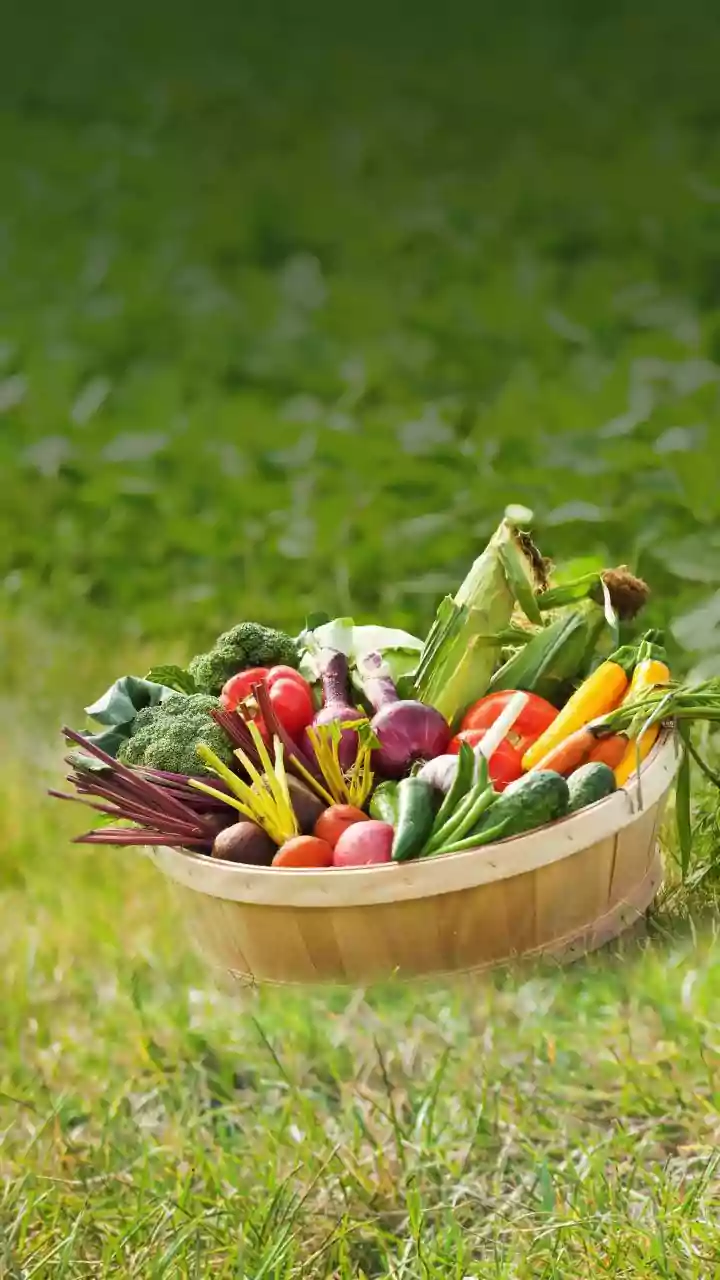
Vegetables that grow underground are generally a safer bet during the monsoon. Tubers like potatoes, sweet potatoes, yams (suran), and colocasia (arbi) are less exposed to surface contaminants and have a much longer shelf life. They are hearty, versatile, and less prone to bacterial growth. Other root vegetables like carrots and beetroots are also reliable choices, packed with essential nutrients like beta-carotene, which the body converts to Vitamin A to support your immune system. Their inherent sturdiness makes them perfect for stocking up for a few days of cooking.
Be Cautious with Leafy and Cruciferous Greens
This is where opinions often differ. Many experts advise avoiding leafy greens like spinach and cabbage altogether during the monsoon due to the high risk of contamination from dirt and germs that are hard to wash away. Raw salads are particularly risky. However, if you can't do without your greens, the key is to be extremely careful. Some sources suggest they are safe if cooked thoroughly, as heat can kill harmful bacteria. Similarly, for cruciferous vegetables like cauliflower and broccoli, you must inspect them carefully for worms and mould hidden within the florets. Soaking them in saltwater and then blanching or cooking them well is non-negotiable.
Your Monsoon Shopping and Storage Checklist
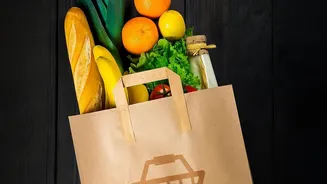
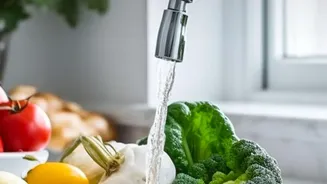
Smart buying and storage can make all the difference. First, buy vegetables in smaller quantities more frequently rather than stocking up for the entire week. When at the market, choose produce that is firm, bright in colour, and free from cuts, bruises, or soft spots. Once home, your first step should be to wash them well. For added safety, you can soak them in a bowl of water with a bit of salt or vinegar before a final rinse. The biggest enemy at home is moisture. Never store vegetables in the plastic bags from the vendor. Instead, pat them dry and place them in airtight containers, sometimes lined with a paper towel to absorb any extra moisture, before refrigerating. This simple step prevents them from getting slimy and extends their freshness.