







What Exactly is Zone-2 Cardio?
Forget the 'no pain, no gain' mindset. Zone-2 cardio is all about moderate, steady-state exercise. It's often called 'conversational cardio' because you should be able to hold a full conversation without gasping for air. In technical terms, this is when
your heart rate is at about 60-70% of its maximum. The magic of this zone is that it primarily uses fat for fuel, making it incredibly efficient for improving metabolic health and building endurance without causing significant strain on your body. The benefits include a stronger heart, improved mitochondrial function (the powerhouses of your cells), and more stable energy levels throughout your workday, helping you beat that afternoon slump.
Finding Your Personal Zone-2 Pace
You don't need fancy equipment to find your Zone 2. The easiest method is the 'talk test': if you can speak in complete sentences, you're likely in the right zone. For those who prefer data, a simple formula can give you a good estimate. Calculate your maximum heart rate (MHR) by subtracting your age from 220. Then, find 60% and 70% of that number to get your Zone-2 heart rate range. For example, a 40-year-old's estimated max heart rate is 180, so their Zone 2 would be between 108 and 126 beats per minute. A simple fitness tracker or smartwatch can help you monitor this in real-time.
The Lunch Break Power Walk
Your lunch break is a golden opportunity. Instead of eating at your desk, dedicate 20 to 30 minutes to a brisk walk. This is one of the most accessible forms of Zone-2 cardio. To make it effective, you need to move at a pace that elevates your heart rate—a casual stroll won't quite do it. Think about covering a kilometre in 15 minutes. Not only does this tick your exercise box for the day, but exposure to daylight and a change of scenery can also dramatically improve your mood and focus for the rest of the afternoon.
Rethink Your Daily Commute
Your journey to and from work can become a workout. If you take public transport, try getting off one or two stops early and walking the rest of the way. If you drive, park further from the office entrance. For those with shorter commutes, cycling is an excellent Zone-2 activity that can replace your drive altogether. These small adjustments can add up to a significant amount of active time over the week without requiring you to schedule a separate workout session.
Embrace 'Exercise Snacking'
The idea that you need a continuous 60-minute block for exercise is a myth. 'Exercise snacking' involves breaking up your activity into smaller, more manageable chunks. Take a 10-minute brisk walk after your morning tea. Use a standing desk and march in place for 15 minutes while on a call. Do a few sets of stairs instead of taking the lift. These micro-sessions are less intimidating, easier to fit in, and collectively contribute to the recommended weekly total of 150 minutes of moderate-intensity activity.
Use Your Evenings for Active Recovery
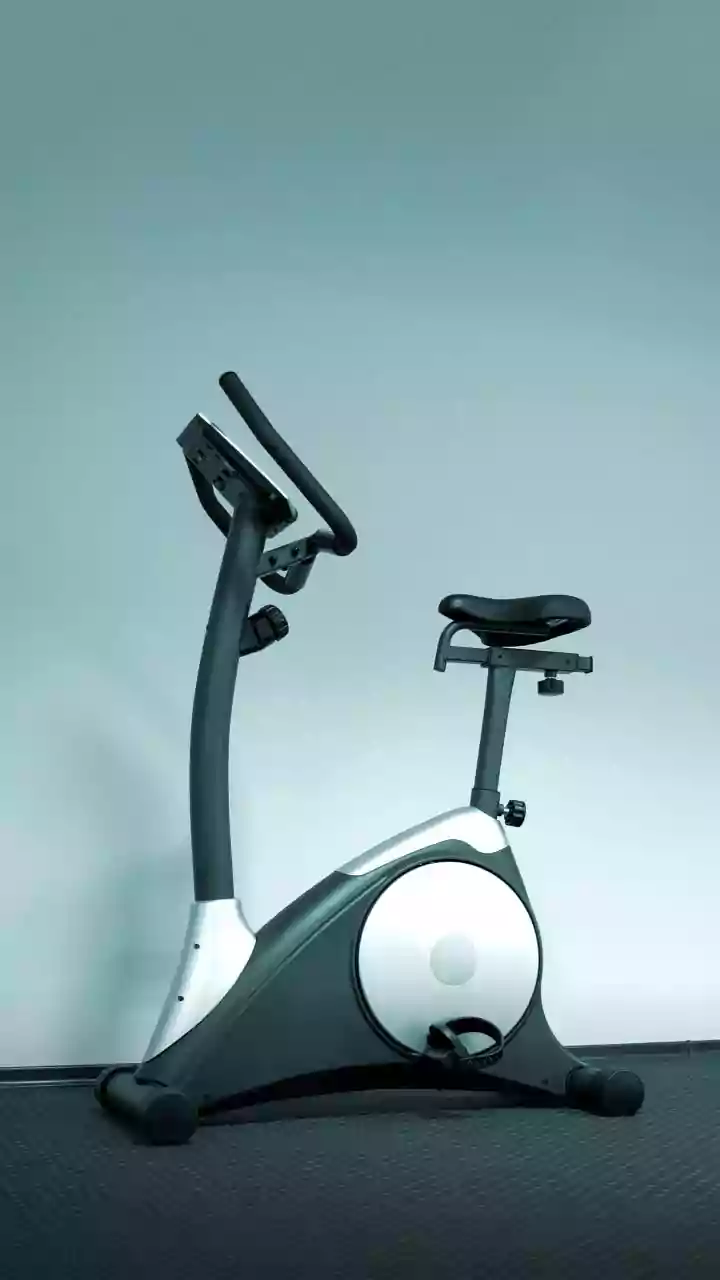
After a long day at the desk, it’s tempting to collapse on the sofa. But a gentle Zone-2 session can actually be more restorative. Consider a relaxed ride on a stationary bike, using an elliptical machine, or going for a calm swim while listening to a podcast or music. Unlike high-intensity workouts, Zone-2 cardio has a low impact on your joints and requires minimal recovery time, meaning you won't feel sore the next day. It’s a great way to de-stress from work, improve blood flow, and prepare your body for a restful night's sleep.