



The Windowsill's Humble Beginnings
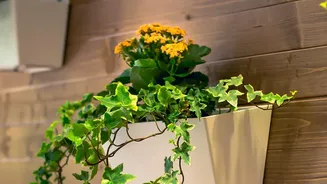
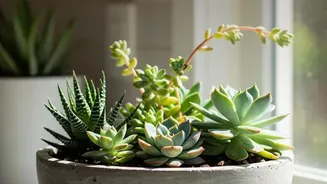
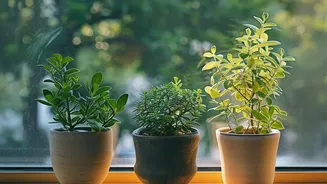
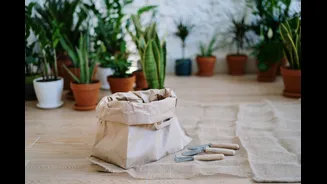
For generations, the windowsill has been the entry point for indoor gardening. It's a simple, intuitive concept: place a plant in a pot with some soil where it can catch the sun. This approach is perfect for hardy herbs like mint and chives, or low-maintenance
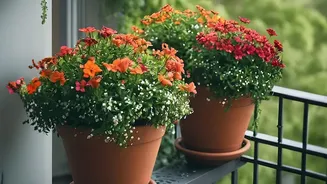
succulents and flowers. It offers a welcome splash of green and fresh flavours with minimal fuss. However, this traditional method has always had its limitations. Success is largely dependent on the direction your window faces and the number of daylight hours, which can be a significant hurdle in many homes. The variety of plants that can thrive is limited, and the scale is, by definition, small.
The Rise of Smarter Gardening Tech
The game began to change with the arrival of accessible, consumer-friendly technology. The biggest single advancement is affordable, full-spectrum LED grow lights. These lights are energy-efficient, produce very little heat, and can be tailored to provide the exact type of light plants need to flourish, from vegetative growth to flowering and fruiting. This innovation single-handedly removes the biggest constraint of windowsill gardening: a lack of consistent, high-quality sunlight. Coupled with this are compact, automated hydroponic systems. These soil-free kits, which often include built-in lights and water pumps, allow plants to grow faster by delivering nutrients directly to the roots. What was once complex technology is now available in quiet, countertop-friendly designs.
An Expanded Menu: Beyond Basil
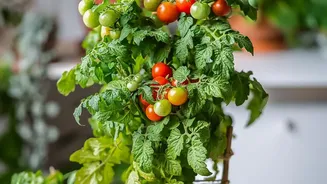
So what does this new approach mean for the home gardener? An entirely new menu. Where a traditional windowsill might support a small pot of basil, a modern setup can yield a surprising bounty. Thanks to the combination of targeted light and hydroponics, it's now entirely feasible to grow much more demanding crops. Specially-bred dwarf and mini vegetable varieties are now widely available. Imagine harvesting snack-sized peppers, cherry tomatoes, and even strawberries directly from your kitchen window. Leafy greens like lettuce and spinach, which have shallow roots, are also perfectly suited for these compact systems, providing a constant supply for salads and sandwiches.
Thinking Vertically, Not Just Horizontally
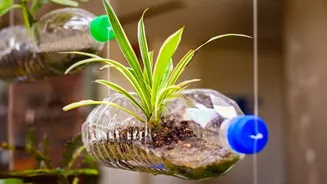
The other major shift is a change in mindset from using the flat surface of the sill to using the entire window area. Vertical gardening is no longer just for outdoor walls. Innovative solutions like tiered planters, stackable pots, and hanging systems allow gardeners to multiply their growing space. Some hydroponic systems are designed as vertical towers, transforming a small footprint on the sill or counter into a column of green. Even low-tech solutions like wall-mounted pockets can create a living wall of herbs and greens, turning the window itself into a stunning and productive feature. This maximises the available light and space, radically changing the potential yield of a single window.
Making the Most of Your Micro-Garden
The new case for the windowsill is that it's no longer a passive plant shelf, but an active, high-yield micro-garden. It’s a space capable of producing a genuine, ongoing harvest. For those used to traditional soil pots, there can be an initial investment in new equipment and a slight learning curve. But the rewards are significant. Growth is often faster, yields are higher, and the mess associated with soil is eliminated. Most importantly, it opens up gardening to those who previously thought they lacked the right conditions. Whether you have a north-facing window or live in a climate with long winters, these new tools and techniques empower anyone to grow a wider variety of fresh food all year round.