





The Anatomy of a Disconnected Undercut
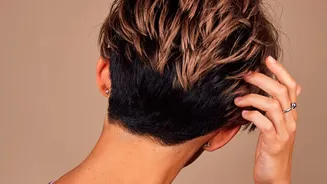
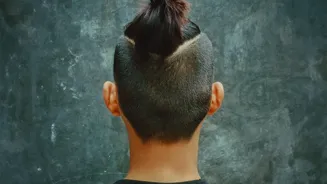
The disconnected undercut is defined by one core principle: extreme contrast with no transition. The hair on top is left significantly longer—often three to five inches or more—while the sides and back are clipped to a single, much shorter length. The 'disconnected'
part means there is a sharp, visible line where the long top meets the short sides, with no blending or fading in between. This creates a deliberate, high-impact style that has a strong, graphic quality. It’s a haircut that makes a statement, emphasizing the volume and styling of the hair on top, whether it’s slicked back, styled into a pompadour, or worn as a messy quiff.
Understanding the Classic Taper Fade
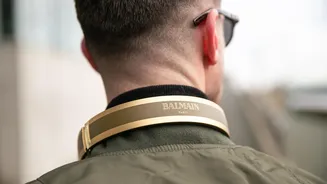
In contrast, the classic taper fade is all about a seamless, gradual transition. It's a hybrid technique where the hair smoothly decreases in length from the top down the sides and back. Unlike a disconnected cut, the entire purpose of a fade is to eliminate any harsh lines. Barbers use multiple clipper guards to meticulously blend the hair, creating a soft gradient that can finish very close to the skin (a skin fade) or leave a bit of length. A 'taper' often refers to a more conservative version of a fade that focuses on cleaning up the sideburns and neckline, while a 'taper fade' is a more comprehensive blend all around the head. The result is a clean, polished, and timeless look that is highly versatile for professional and casual settings.
Visual Showdown: Sharp Edge vs. Smooth Blend
The fundamental difference lies in their philosophy. The disconnected undercut is intentionally abrupt. It’s a two-part haircut: the long top and the short sides exist as separate entities, creating a striking shelf or step. This style is often described as edgy, modern, and rebellious. On the other hand, the taper fade is harmonious and subtle. Its artistry is in the flawless blend, making the transition from long to short almost unnoticeable. It’s seen as more classic, professional, and sophisticated. The undercut draws attention directly to the sharp line and the styled top, while the fade creates a clean silhouette that complements the overall head shape without a single focal point of contrast.
Maintenance, Upkeep, and Grow-Out
When it comes to maintenance, the two styles present a trade-off. A taper fade, especially a high-contrast skin fade, requires frequent touch-ups—often every two to three weeks—to keep the blend looking sharp as regrowth appears quickly. The disconnected undercut can often go longer between full cuts, around four to six weeks, but the sharp line will soften as it grows, changing the look. However, the daily styling commitment for an undercut is typically higher. The long top section often requires products like pomade or clay and blow-drying to maintain its shape and volume, otherwise it can fall flat. A taper fade grows out more gracefully, but the initial perfection of the blend is fleeting.
Which Cut Is Right for You?
Choosing between these two cuts depends heavily on your face shape, hair type, and lifestyle. A disconnected undercut often works well on oval and round face shapes, as the height on top can add length and the sharp lines can create structure. It’s particularly effective with thick or wavy hair, which can support the volume on top. A taper fade is famously versatile and suits almost any face shape, especially oval and square faces. For those with fine or straight hair, a fade can prevent the top from looking flat, which can sometimes happen with an undercut. Ultimately, the decision comes down to personal style. If you want a bold, fashion-forward look and are committed to daily styling, the undercut is a strong choice. If you prefer a clean, timeless, and lower-maintenance style that fits seamlessly into a professional environment, the classic taper fade is a reliable winner.