

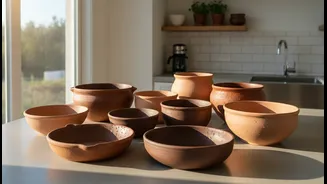
A Return to Earthen Roots
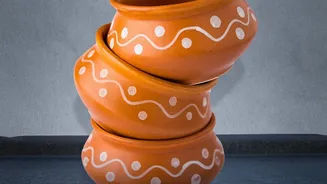
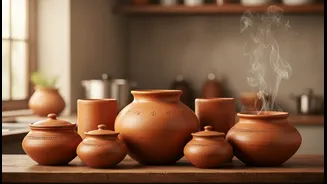
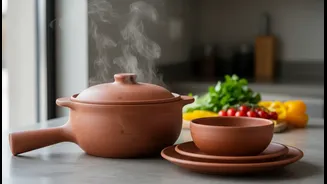
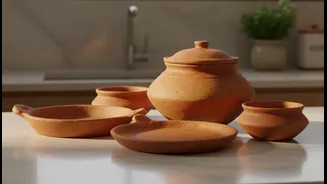
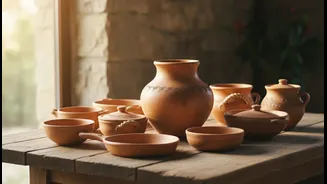
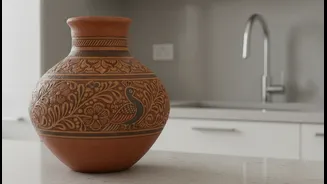
Across India's urban centres, from Mumbai to Bengaluru, there is a noticeable shift back to traditional kitchen practices. People are consciously seeking out clay pots, known as 'handis' or 'matkas', for daily cooking. This revival is not just a fleeting
trend; it is a movement driven by a growing awareness of health, sustainability, and a yearning for authentic flavours that modern cookware often fails to deliver. This renewed interest is turning what was once a village staple into a prized possession in contemporary homes, with many rediscovering the simple wisdom of cooking in earth.
The Science of Superior Taste
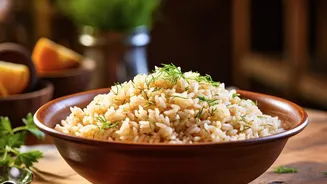
Ask anyone who cooks in clay, and they will tell you the food simply tastes better. There is a scientific reason for this. Clay is porous, allowing heat and moisture to circulate evenly throughout the pot. This results in slow, gentle cooking that locks in the natural juices and flavours of the ingredients. Unlike metal pots, which can create hot spots and burn food, clay's even heat distribution allows spices to meld deeply, creating richer, more aromatic dishes like biryani and dal makhani. The earthy essence of the pot itself imparts a subtle, unique flavour that cannot be replicated.
The Health and Wellness Factor
One of the biggest drivers of this trend is health. Clay is naturally alkaline, which helps to neutralise the pH balance of acidic foods like tomatoes, making them easier to digest. The slow-cooking process helps retain more of the food's vitamins and minerals, which can be lost at high temperatures. Furthermore, cooking in clay pots often requires less oil, as the pot's ability to retain moisture prevents food from sticking. For many, switching to clay is a conscious move away from cookware with synthetic non-stick coatings that may contain chemicals.
An Eco-Friendly Kitchen Choice
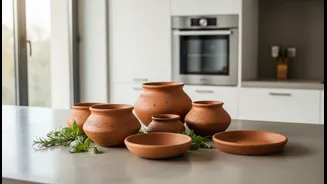
In an age of mindful consumption, sustainability is a key consideration. Earthenware is a clear winner in this regard. Sourced directly from the earth, clay pots are completely natural and biodegradable. When they eventually reach the end of their life, they return to the soil without leaving behind harmful waste. This stands in stark contrast to many synthetic cooking utensils that contribute to landfill waste. Embracing clay cookware also supports local artisans and preserves a craft that has been passed down through generations.
Getting Started: A Practical Guide
Adopting clay cookware does require a little care, but it is straightforward. Before its first use, a new pot must be seasoned. This usually involves soaking it in water for several hours, which strengthens the clay and prevents cracking. When cooking, it is crucial to start on low heat and increase it gradually, as sudden temperature changes can cause the pot to break. For cleaning, it is best to avoid harsh soaps and detergents, which the porous clay can absorb. A gentle scrub with baking soda or just hot water is usually sufficient to keep your pot in great condition for years.