



What Exactly Is Citizen Science?
At its heart, citizen science is a partnership between the public and professional scientists. It’s scientific research conducted, in whole or in part, by amateur or non-professional individuals. This isn't a new concept, but modern technology has revolutionised
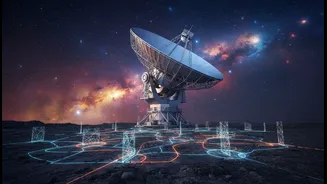
it. With smartphones and the internet, collecting and sharing data has become easier than ever. Volunteers can help monitor variable stars, discover comets, or even classify galaxies from their laptops. This collaboration breaks down the traditional barriers between academic institutions and society, creating a more inclusive and democratic approach to knowledge. It allows researchers to process vast amounts of data that would be impossible to handle alone, while participants gain in-depth knowledge and contribute to real scientific discoveries.
Sikkim’s Unique Advantage for Astronomy
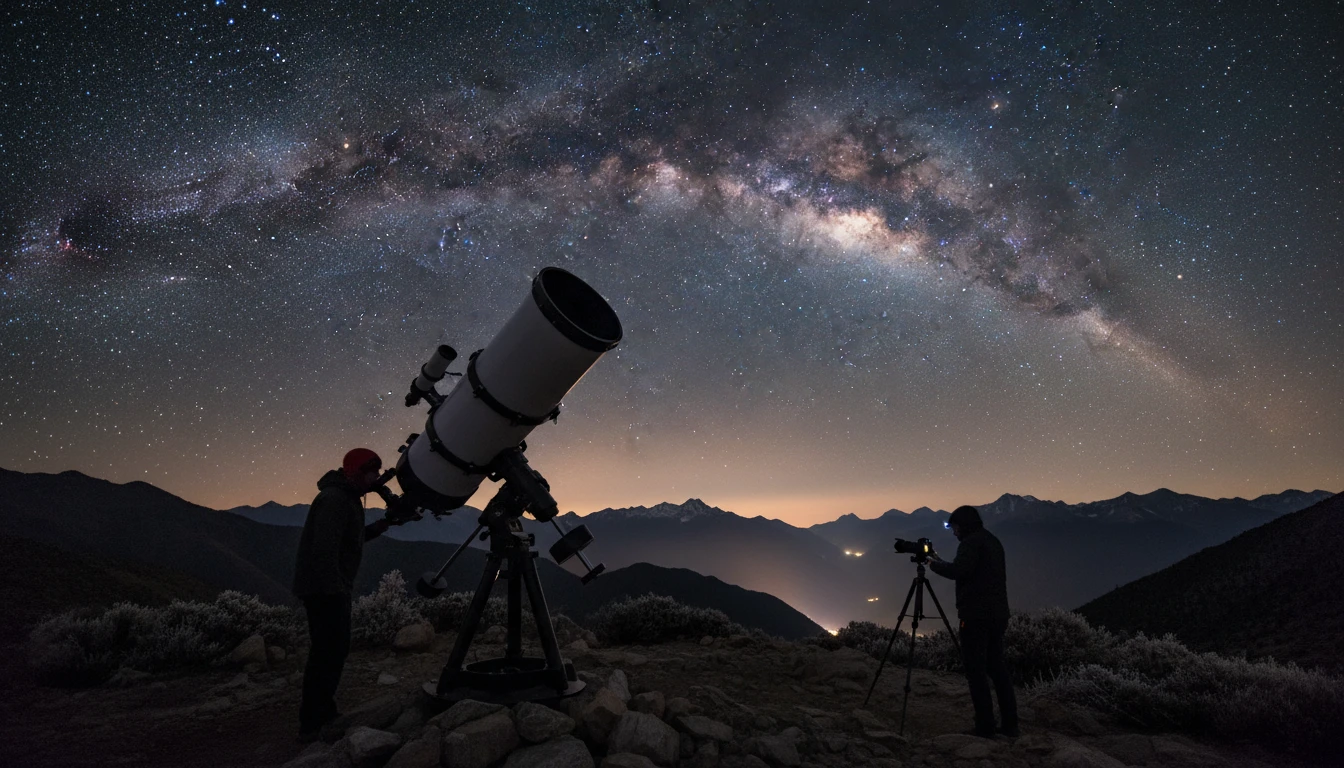
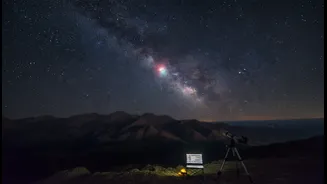
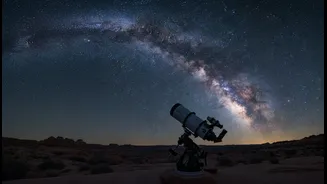
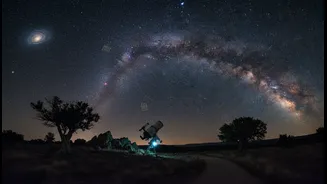
Sikkim, with its Himalayan geography, offers a pristine canvas for stargazing. Its high-altitude terrain and relatively low levels of light pollution in many areas provide exceptionally clear skies—a coveted resource for both amateur and professional astronomers. This natural advantage makes the state an ideal location for astronomical observation, similar to other high-altitude regions in India like Ladakh, which has become a hub for astro-tourism. The government of Sikkim has shown a growing commitment to boosting science and technology, creating an environment ripe for such initiatives. By leveraging these clear skies, citizen science projects can turn a geographical asset into a powerful tool for education and research, allowing residents to connect with their unique environment in a new, scientific way.
Fostering Education and Inclusion
A key goal of citizen science in Sikkim is to bridge the gap between scientific research and local communities, especially students. Initiatives across India have shown that these projects are powerful educational tools. In Sikkim, there has been a significant push to improve science education, with programs like mobile science labs and partnerships with leading institutions like the Indian Institute of Science Education and Research (IISER). Astronomy is often called a 'gateway science' because of its power to attract young people to STEM fields. By involving students in real-world data collection—whether it's observing meteor showers or participating in projects like RAD@home, an Indian citizen science initiative—they are not just learning facts from a textbook; they are engaging in the scientific process itself. This hands-on experience demystifies research and makes a career in science feel more attainable.
How Does It Work in Practice?
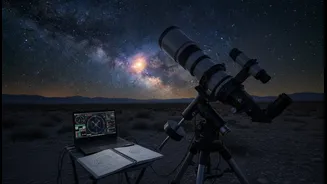
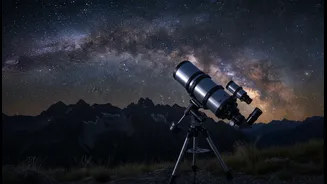
Participation doesn't require a PhD or expensive equipment. Many astronomy projects are designed to be accessible. Globally, initiatives like Zooniverse host projects where volunteers can help classify galaxies or identify celestial events with just a computer. Other projects might involve using smartphone apps to measure sky brightness or report meteor sightings. In India, amateur astronomy clubs have been crucial in providing guidance and equipment. For Sikkim, this could involve training local guides or teachers to use amateur telescopes, empowering them to lead stargazing sessions for tourists and students, much like the successful astro-tourism model in Hanle. These 'astro-ambassadors' would not only create economic opportunities but also become pillars of scientific outreach in their communities.
The Impact on Science and Society
The benefits of this approach are twofold. For scientists, it means access to a massive, distributed network of observers who can gather data on a scale no single institution could manage. Citizen scientists have made significant discoveries, from new species to previously unknown galactic structures. For society, the impact is just as profound. It fosters scientific literacy and a deeper appreciation for the natural world. In regions like Sikkim, it can also drive sustainable, science-based tourism that creates local jobs and encourages the preservation of dark skies. By involving indigenous communities, these programs can also blend traditional knowledge with modern science, creating a holistic understanding of the environment. Ultimately, it empowers individuals by showing them that science isn't something that happens only in faraway labs—it's something they can be a part of.