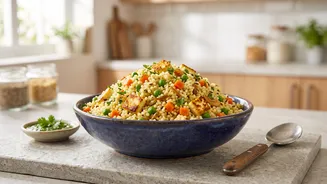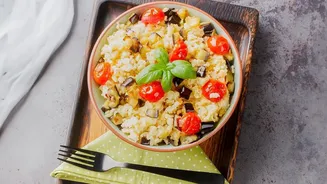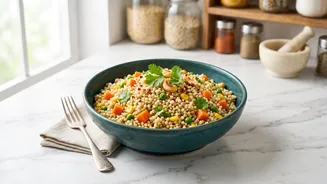




Stuck in a lunchtime rut of plain rice dishes that leave you feeling sluggish? It's time to rediscover an ancient grain that packs a modern punch. Millet pulao is a vibrant, flavourful, and deeply satisfying alternative for a balanced meal.
What Exactly Are Millets?
For centuries,
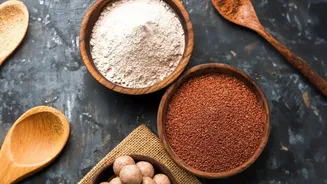
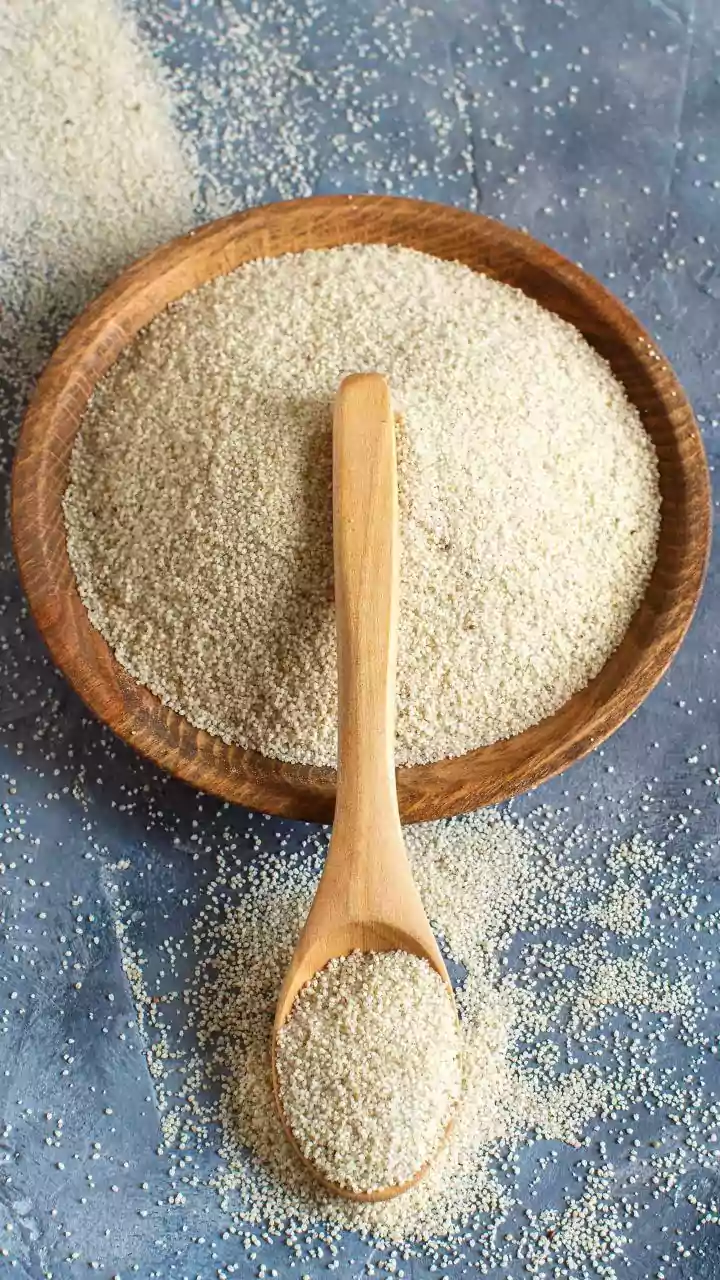
before rice and wheat became staples, millets were a cornerstone of the Indian diet. These small-seeded grasses are not a single type of grain but a diverse group, including varieties like foxtail millet (kangni), pearl millet (bajra), finger millet (ragi), kodo millet, and little millet (samai). After falling out of favour for a time, these 'super grains' are making a major comeback in Indian kitchens, celebrated for their resilience in farming and their impressive nutritional benefits. They are naturally gluten-free and known for their versatility in dishes ranging from rotis to porridges and, of course, pulao.
The Nutritional Edge Over Rice
When compared to polished white rice, millets offer a significantly stronger nutritional profile. The most notable difference is their high fibre content. For instance, foxtail millet has about 8 grams of fibre per 100g, while white rice contains merely 0.2g. This higher fibre content aids digestion, promotes a feeling of fullness, and helps prevent overeating, making it a great ally for weight management. Millets also generally provide more protein, iron, and magnesium than white rice. Furthermore, they have a lower glycemic index, which means they release sugar into the bloodstream more slowly, preventing the sharp energy spikes and subsequent crashes often associated with refined grains.
Building a Truly Balanced Lunch
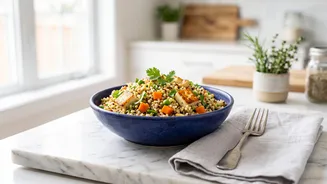
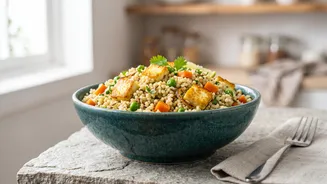
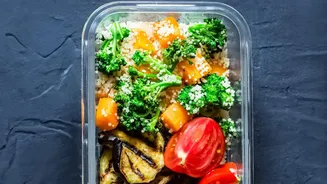
A balanced meal provides sustained energy by combining complex carbohydrates, protein, healthy fats, and fibre-rich vegetables. Millet pulao serves as a perfect foundation for such a meal. The millets themselves provide the complex carbs and fibre. To complete the plate, the pulao is typically loaded with a variety of vegetables like carrots, peas, and beans, which add essential vitamins and minerals. To boost the protein content, you can easily add ingredients like paneer, tofu, chickpeas, or lentils. Served with a side of raita (yogurt dip), the meal becomes a complete, wholesome, and delicious package that keeps you energised throughout the afternoon.
Tips for the Perfect Fluffy Pulao
The key to a great millet pulao is achieving a light, fluffy texture where the grains are separate, not mushy. While some recipes call for soaking the millets for at least 30 minutes to an hour to help with digestion, others suggest it's not strictly necessary for cooking. A crucial step is getting the water ratio right; a general rule of thumb for foxtail millet is a 1:2 ratio (one cup of millet to two cups of water). You can cook it on the stovetop in a covered pot for about 12–15 minutes on a low flame, or use a pressure cooker for a couple of whistles. After cooking, it's important to let the pulao rest, covered, for at least 5–10 minutes. This allows the grains to absorb any remaining steam. Finally, fluff it gently with a fork before serving.
Endless Flavour and Variety
Millet pulao is a culinary canvas. Its slightly nutty flavour pairs beautifully with a wide array of spices and herbs. Start by tempering whole spices like cinnamon, cloves, bay leaves, and cumin seeds in ghee or oil to build a fragrant base. From there, you can customise it with your favourite vegetables, from cauliflower and bell peppers to sweet corn. For added texture and richness, toss in some roasted cashews or peanuts. A garnish of fresh coriander and mint leaves, along with a final squeeze of lemon juice, brightens up all the flavours and completes the dish perfectly.