






The Foundation of Food Safety
The primary authority governing food safety in India is the Food Safety and Standards Authority of India (FSSAI), established under the Food Safety and Standards Act, 2006. This agency is responsible for setting the rules for everything from five-star
hotel kitchens to local street food vendors. Every establishment that handles food commercially is considered a Food Business Operator (FBO) and must have an FSSAI license or registration to operate legally. This license isn't just a piece of paper; it signifies that the business is accountable to a national standard, with non-compliance carrying hefty penalties, including fines and even imprisonment.
The Basic Rules of a Clean Kitchen
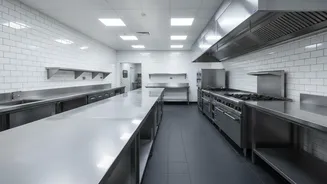
The FSSAI lays out extensive guidelines, known as Schedule 4 requirements, which form the bedrock of kitchen hygiene. These aren't just suggestions; they are mandatory rules. Key requirements include maintaining the premises in a clean condition, with walls and ceilings that are easy to clean. There must be a clear separation of raw and cooked foods to prevent cross-contamination, and specific temperature controls for storage—hot food above 60°C and cold food below 5°C. Personnel hygiene is also critical, with staff required to wear clean clothes, head coverings, and gloves, and follow strict handwashing protocols. Furthermore, the water used must be potable, with quality tested regularly, and a documented pest control program must be in place.
Inspections: Theory vs. Reality
In theory, the system is robust. Food Safety Officers (FSOs) are empowered to conduct inspections to ensure restaurants are following the rules. These inspections check for compliance across a detailed checklist, covering everything from the FSSAI license display to staff hygiene and waste management. However, the reality can be different. Recent crackdowns and surprise inspections reveal that violations are common, even in high-end establishments. In August 2026, inspections in Bengaluru hotels uncovered expired food and unhygienic conditions, leading to seizures of large quantities of substandard items. Similar drives in Mumbai led to the suspension of licenses for popular eateries due to issues like pest infestations and dirty kitchens. These incidents show a gap between the regulations on paper and their day-to-day implementation.
The Hygiene Rating Scheme
To bridge the information gap for consumers, the FSSAI introduced the voluntary Hygiene Rating Scheme. This program allows restaurants to be audited by an FSSAI-empanelled agency and receive a rating from one to five stars based on their compliance with food safety and hygiene standards. A rating of five stars indicates excellent standards, while a one-star rating signals that urgent improvement is needed. This rating can be displayed on the premises and online, offering diners a quick, visual guide to a restaurant's commitment to safety. While the scheme is a positive step towards transparency, its voluntary nature means that not all restaurants participate, and the number of rated establishments is still a fraction of the total eateries in the country.
How Diners Can Feel More Confident
While regulators are intensifying their efforts, consumers are also being empowered to become the 'eyes and ears' of food safety. The FSSAI encourages diners to use its 'Food Safety Connect' app and portal. If you visit a restaurant, you can look for the displayed FSSAI license and Hygiene Rating certificate. The FSSAI has also mandated that a QR code be displayed, which customers can scan to verify the license's authenticity and lodge a complaint if they spot any violations, such as a dirty kitchen or unsafe food handling. This system allows for direct reporting to regional authorities, increasing accountability and encouraging restaurants to maintain higher standards.