




The New Digital 'Fingerprints'
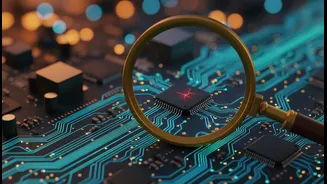
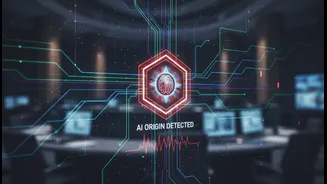
At its core, an AI image detector is a system trained to spot the subtle giveaways that an image was made by a machine. These tools analyze vast datasets of both real and AI-generated pictures to learn the digital "footprints" left behind by generative
models. They scan for tells that are often invisible to the human eye, such as unnatural patterns in textures, inconsistencies in lighting and shadows, or pixel-level artifacts. Some also look for hidden signals like digital watermarks that companies are beginning to embed in AI-generated content. This has sparked a technological arms race; as AI image generators become more sophisticated at mimicking reality, detectors must evolve just as quickly to keep up. The result is a cat-and-mouse game where the definition of "authentic" is constantly being tested.
A Double-Edged Sword for Creators
For digital artists and creators, these detectors present both an opportunity and a threat. On one hand, they offer a way to verify the authenticity of their human-made work in a crowded market. On the other hand, the technology is far from perfect, leading to a significant problem: false positives. A false positive occurs when a detector incorrectly flags human work as being AI-generated. This can be devastating for a creator's reputation, leading to wrongful accusations and a loss of trust from clients and audiences. Studies have shown that even the disclosure of using AI in a creative process can lead to negative evaluations and perceptions of reduced authenticity, regardless of the creator's reputation. This puts artists who use AI as a minor tool in their workflow in a precarious position, forcing them to defend their creative process against the verdict of an algorithm.
The Fight Against Misinformation
The proliferation of AI-generated misinformation has been ranked as a top global risk. In this context, detectors are being positioned as a crucial line of defense for journalists, fact-checkers, and social media platforms. They can help identify and flag deepfakes used in political propaganda or financial scams, providing a scalable way to tackle the sheer volume of fake content. However, experts caution against viewing them as a silver bullet. Detection tools are failing to keep pace with the rapid advancements in generative AI, sometimes flagging fabricated content as authentic. Over-reliance on this imperfect technology could create a false sense of security. As regulations like the EU AI Act begin to mandate the labeling of AI content, the effectiveness of these detection tools will be critical, but human oversight and critical thinking remain indispensable.
The Burden on Platforms and People
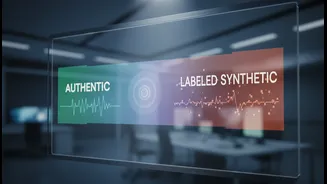
Ultimately, the responsibility for managing AI-generated content falls to the platforms where it is shared. Companies like Meta, X (formerly Twitter), and TikTok face immense pressure to integrate detection tools and create clear policies for labeled or flagged content. Yet, even with automated help, the scale of the challenge is enormous. Detection accuracy varies widely between different tools, and motivated users can often find ways to edit images to evade them. This leaves a significant grey area. If a detector is only 85% sure an image is AI-generated, what action should be taken? The risk of error—especially false positives that penalize innocent creators—makes platforms hesitant to take automated, punitive action. This shifts some of the burden back to users, who must cultivate a healthy skepticism and look for contextual clues rather than trusting a simple "AI" or "Human" label.