



The Allure of Effortless Elegance
The magic of this hairstyle lies in its versatility and approachable glamour. It can look just as appropriate on a casual day of running errands as it does at a formal event. Celebrities are often seen sporting this look on the red carpet, proving that
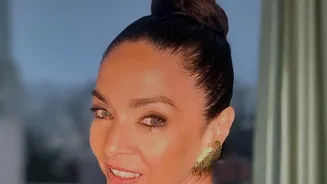
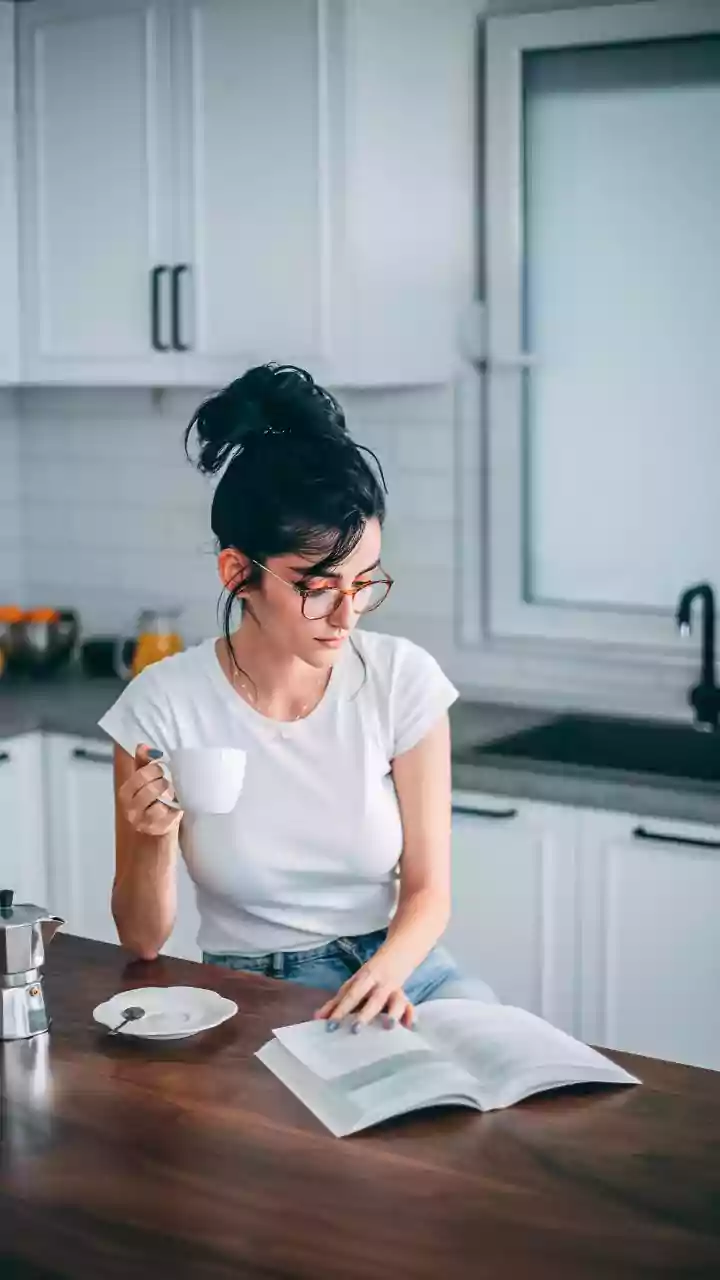
a simple, tousled bun can stand up to even the most elaborate gowns. The style suggests a certain confidence—a look that is put-together without appearing like you spent hours on it. The soft tendrils around the face add a touch of romance and prevent the updo from feeling too severe, framing your features beautifully.
Prep Your Hair for Success
The foundation of a great relaxed bun is the right hair texture. This style often works best on second-day hair, as the natural oils provide more grip than freshly washed, silky strands. If your hair is clean, don't worry. You can create a similar effect with the right products. Start by spritzing a texturizing spray or a bit of dry shampoo at the roots to build volume and hold. If your hair is very straight or fine, working a small amount of thickening paste or mousse through your strands can also help create the illusion of fullness. Before you begin, gently brush through your hair to remove any major knots, but avoid making it too sleek.
Crafting the Perfect Relaxed Bun
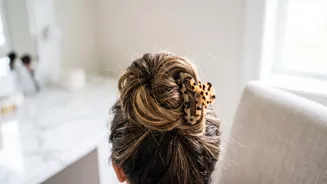
How you form the bun itself sets the tone for the entire look. Begin by gathering your hair into a ponytail at your desired height—a low bun at the nape of the neck feels relaxed and sophisticated, while a high bun at the crown can feel more playful and modern. Use your fingers to pull your hair back rather than a brush to maintain a softer, less perfect finish. Secure the ponytail with an elastic, but don't pull it too tight. On the final loop of the elastic, only pull the ponytail part-way through to create a looped bun. Another method is to twist the full ponytail loosely, then coil it around the base and secure it with another hair tie or bobby pins. The key is to keep it from looking too compact or severe. Gently tug on sections of the bun to create more volume and a softer shape.
The Art of the Loose Strand
The loose strands, or 'tendrils', are what truly make this style shine. These should be pulled out after the bun is secured. Choose a few small pieces of hair from around your hairline, typically near your temples and ears. The thickness is up to you—thinner strands offer a delicate, wispy effect, while slightly thicker pieces can feel more intentionally '90s-inspired. If your hair is straight, consider using a curling iron or a flat iron to create a soft bend or a gentle wave in the tendrils. This helps them look romantic rather than just looking like stray hairs. For those with naturally curly or wavy hair, simply let your natural texture do the work. A touch of lightweight gel or pomade can help define the strands and tame any unwanted frizz.
Adapting for Your Hair Type
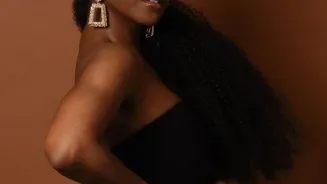
This style is wonderfully adaptable. For those with fine or thin hair, the trick is to create the illusion of more volume. Teasing the ponytail slightly before twisting it into a bun can add fullness, and using volumizing products during prep is essential. If you have thick hair, the challenge is more about control. Using stronger hair ties and a few extra bobby pins will ensure your bun stays secure without being too tight. You might also find that a braided bun—creating a braid from your ponytail and then wrapping it—provides better hold. For curly hair, the messy bun is a perfect way to showcase your texture. Lean into it by using a curl-defining gel and pulling out a few more tendrils to celebrate your natural pattern.