

What Exactly Is a 'Ghotala'?
In Hindi and Gujarati, the word 'ghotala' translates to a 'mess', 'scam' or 'chaos'. While it might seem like a strange name for a dish, it perfectly captures the essence of this creation. It is a hot, flavourful scramble where all the ingredients are
mixed together into a beautiful mess. The name is also a clever marketing tactic used by street vendors to create curiosity. This dish has its roots in the bustling city of Surat in Gujarat, a place renowned for its unique and delicious street food. Other funny food names from the city include 'locho', which means a 'problem' or 'issue'.
From Egg Carts to Veggie Delight
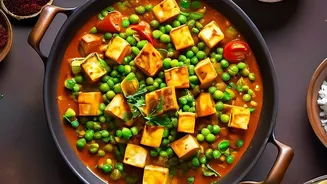
The original Ghotala that won hearts on the streets of Surat was Anda Ghotala, made with eggs. Street vendors would masterfully combine boiled, scrambled, and sometimes fried eggs into a spicy tomato and onion base, creating a multi-textured dish. However, to cater to Gujarat's large vegetarian population, a new star was born: Paneer Ghotala. This version swaps the eggs for soft, crumbly paneer, transforming the dish into a vegetarian masterpiece that stands proudly on its own. It quickly became just as popular, if not more so, among those seeking the same chaotic indulgence without the egg.
Deconstructing the Delicious Mess
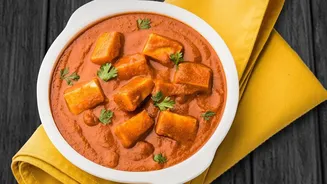
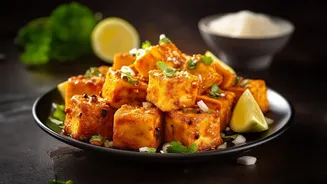
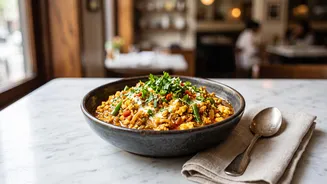
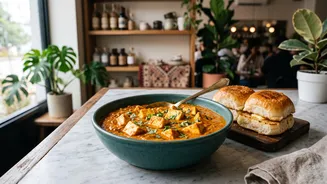
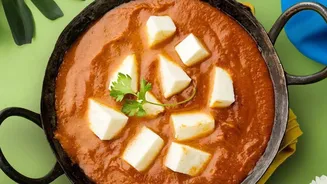
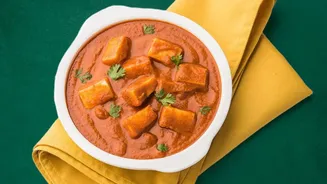
At its heart, Paneer Ghotala is a rich and spicy curry that shares a textural soul with Paneer Bhurji but is distinctly different. The base is a flavour-packed gravy of finely chopped onions, tomatoes, capsicum, and ginger-garlic paste, often spiced generously with pav bhaji masala. What sets it apart is the treatment of the paneer. Instead of just crumbling it like in a bhurji, Ghotala often uses grated paneer, which melts into the gravy, creating a semi-liquid consistency. Many recipes also add small fried cubes of paneer for an extra layer of texture. To top it all off, a generous amount of butter and grated processed cheese is often added, lending it a signature creamy, indulgent finish that is pure street food bliss.
Tips for the Perfect Home Version
Bringing this street food classic into your kitchen is surprisingly simple. The key is to get the base right. Sauté the onions, tomatoes, and capsicum until they are very soft and mushy before adding your spices. Using a good quality, flavourful pav bhaji masala is non-negotiable, as it provides the dish's signature taste. When it comes to the paneer, use fresh, soft paneer and grate it for that authentic texture. Don't be shy with the butter; it's essential for the rich flavour. For a true street-style experience, mash some of the ingredients directly in the pan with a potato masher to create that perfect 'ghotala' consistency.
How to Serve and Enjoy
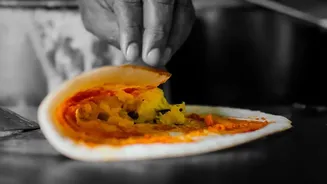
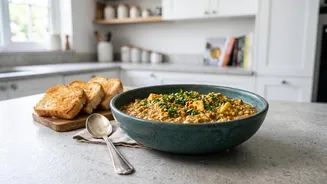
Traditionally, Paneer Ghotala is mopped up with hot, butter-toasted pav (soft bread rolls), just like its cousin, Pav Bhaji. The soft, buttery bread is the perfect vehicle for the spicy, messy paneer curry. However, its versatility is one of its greatest strengths. You can serve it with rotis or parathas for a hearty meal. It also works wonderfully as a filling for sandwiches, dosas, or even as a topping for bruschetta. Garnish it with fresh coriander, a squeeze of lemon, and perhaps some finely chopped raw onions for extra crunch and freshness before serving.