








The Psychology of Convenience
Food delivery apps are masters of instant gratification. With just a few taps, the universal problem of “what’s for dinner?” is solved. This frictionless experience is deliberately designed to be compelling, activating the reward centres of our brain.
The anticipation of the meal, complete with real-time tracking, adds to the excitement. However, this ease can lead to a disconnect from our food choices. We may order more impulsively, driven by enticing photos rather than nutritional needs. This convenience-driven behaviour, repeated over time, can subtly erode mindful eating habits, turning what was once a deliberate choice into a reflexive action. The immediate satisfaction is high, but it can pave the way for cumulative problems that are harder to see on a meal-by-meal basis.
The Cumulative Health Cost
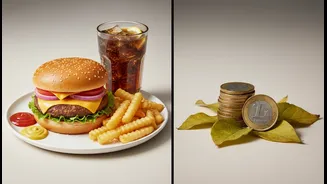
Frequently ordering in is associated with a higher intake of calories, salt, and unhealthy fats. Meals from restaurants and delivery-focused 'cloud kitchens' often contain significantly more calories than recommended for a single meal. Studies have shown a link between frequent takeaway consumption and a higher Body Mass Index (BMI), as well as other risk factors for chronic diseases. The issue isn't just the food itself, but the lack of transparency. Details on nutritional content and potential allergens can be sparse online, creating a 'food information gap'. Over time, these dietary compromises can add up, impacting everything from weight management and energy levels to long-term health, a price that is paid long after the empty containers are thrown away.
A Slow Drain on Your Finances
The price on the menu is rarely the final price you pay. A meal that costs ₹200 at the restaurant can easily climb towards ₹300 on an app. This is due to a stack of additional charges, including platform fees, delivery charges that fluctuate with demand, packaging costs, and taxes. While each individual fee seems small, they systematically inflate the cost of every order. Many consumers report that menu prices on apps are often higher than in the restaurant, a practice restaurants use to offset the high commissions (15-30% or more) they pay to platforms like Zomato and Swiggy. This 'drip pricing' strategy, where the full cost is only revealed at the final step, can trick you into spending more than you intended, creating a significant, cumulative dent in your monthly budget.
The Quality and Safety Gamble
A major concern with the rise of fast delivery is the proliferation of 'dark kitchens' or 'cloud kitchens' — delivery-only outlets with no physical storefront. While this model can be efficient, it also raises questions about oversight and quality control, as inspections may not be as regular or rigorous. Consumer complaints frequently cite issues like spoiled food, poor hygiene, and improper packaging. Even from regular restaurants, the quality of a delivered meal can be inconsistent. The journey from the kitchen to your door can affect the food's temperature and texture. With thousands of complaints registered against major platforms for issues ranging from wrong orders to defective products, each order can feel like a gamble.
Reclaiming Control of Your Plate
The goal isn't to demonise food delivery, but to use it with intention rather than on autopilot. Becoming a more conscious consumer starts with small steps. Try planning one or two more home-cooked meals per week. When you do order, take a moment to compare prices; sometimes, ordering directly from a local restaurant's website or phone number can be cheaper and puts more money in their pocket by avoiding hefty commissions. Scrutinise your bill before checkout to understand the full cost. Pay attention to how you feel after eating delivered food versus a home-cooked meal. By bringing a little more awareness to the process, you can ensure that the convenience of fast delivery truly serves you, without accumulating a debt to your health or your wallet.