
That crunchy, tangy pickle in your sandwich might be more than just a tasty condiment. But not all pickles are created equal. The secret to a healthier crunch lies in ancient, time-tested methods that turn a simple cucumber into a probiotic powerhouse.
The Tale of Two Pickles
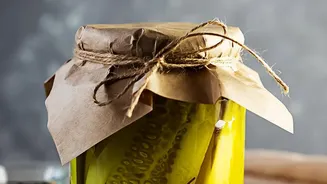
Walk down any supermarket aisle and you will see countless jars of pickles. Most of these are what we call 'quick pickles'. They get their signature sourness from being submerged in a brine of hot vinegar. This method is fast, efficient, and creates a product with a long shelf life, perfectly suited for mass production. However, this modern convenience comes at a cost: the heat and vinegar effectively kill off all bacteria, both good and bad. On the other hand, traditional pickles are a product of a much older, slower, and more natural process known as lacto-fermentation. This method, used for millennia across cultures, from the sauerkraut of ancient Rome to the pickles enjoyed by builders of the Great Wall of China, relies only on salt, water, and time. The result is not just a preserved vegetable, but a living food teeming with beneficial microorganisms.
The Science of a Salt Brine
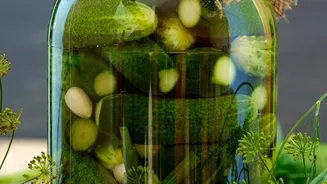
So, how does a cucumber become a fermented pickle without vinegar? The magic lies in lacto-fermentation. Fresh cucumbers are submerged in a saltwater brine. The salt serves a dual purpose: it pulls water out of the cucumbers, keeping them crisp, and it creates an environment where harmful spoilage bacteria cannot survive. This salty environment is, however, the perfect breeding ground for a specific family of beneficial bacteria called Lactobacillus, which naturally exist on the surface of vegetables. These microbes get to work, consuming the natural sugars within the cucumbers and converting them into lactic acid. It is this lactic acid, not vinegar, that acts as a natural preservative, lowering the pH of the brine and giving the pickles their characteristic tangy flavour.
Your Gut's Best Friend
The primary health advantage of traditionally fermented pickles comes from the byproducts of this process: probiotics. Probiotics are live, beneficial bacteria that, when consumed, can help balance the community of microorganisms in your digestive system, often called the gut microbiome. A healthy gut microbiome is crucial for more than just digestion; it is linked to a strong immune system, improved nutrient absorption, and even mental well-being. The Lactobacillus strains developed during fermentation are similar to those found in yogurt and other functional foods known for their positive health impacts. Studies have shown these types of probiotics can aid digestion, stimulate the immune system, and help fight off harmful pathogens in the gut.
More Than a Probiotic Punch
While probiotics are the star of the show, the benefits of fermented pickles do not stop there. The fermentation process can actually make the nutrients within the cucumbers more bioavailable, meaning your body can absorb and use them more easily. Research has shown that the lactic acid produced can increase the absorption of minerals like iron. Furthermore, the process creates a depth and complexity of flavour that vinegar pickling simply cannot replicate, resulting in a more nuanced and satisfying taste. This ancient technique is, at its core, a method of preservation that not only keeps food from spoiling but also enhances its nutritional value and flavour profile.
A Guide to Finding the Real Deal
With all these benefits, how can you ensure you are picking up a truly fermented pickle? The first step is to skip the main shelf-stable pickle aisle and head to the refrigerated section of your grocery store. True fermented pickles are a live food and must be kept cold to maintain their probiotic quality. Next, check the ingredient list. The key is to look for what is not there: vinegar. A traditional fermented pickle will list cucumbers, water, and salt as primary ingredients. You might also see labels with terms like 'naturally fermented' or 'contains live cultures'. Do not be alarmed by a cloudy brine; that is often a sign that the beneficial bacteria have been hard at work. Brands like Bubbies, Wildbrine, and Olive My Pickle are known for their fermented products.