







From the Finish Line to the Feed
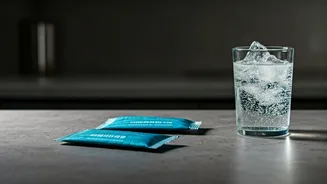
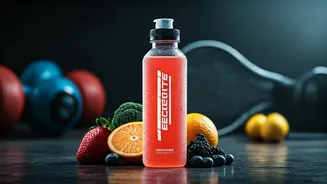
Walk through any supermarket, scroll through Instagram, or peek into a colleague's tote bag, and you'll likely spot them: sleek sachets and brightly coloured bottles promising 'optimal hydration'. Brands like Liquid I.V., Prime, and newcomers from legacy
players like Gatorade have exploded into the mainstream consciousness. What was once a niche product for endurance athletes recovering from gruelling workouts has become a daily ritual for a much wider audience. The modern electrolyte drink isn't just about rehydration; it's a statement. It signals a commitment to wellness, a bio-hacker's savvy, and a level of self-care that goes beyond just drinking tap water. This cultural shift has turned a functional sports supplement into a lifestyle product, a 'flex' that says you're serious about your well-being.
What Are Electrolytes, Anyway?
Let’s cut through the marketing jargon for a moment. Electrolytes are essential minerals—like sodium, potassium, calcium, and magnesium—that carry an electric charge when dissolved in fluids like blood. Their job is critical: they help regulate fluid balance in your body, support nerve function, enable muscle contractions (including your heartbeat), and maintain your body's pH levels. You lose electrolytes, primarily sodium and potassium, when you sweat. This is why athletes who sweat profusely for extended periods need to replenish them. Without enough electrolytes, you might experience symptoms like fatigue, muscle cramps, headaches, or nausea. In severe cases, an imbalance can be dangerous. So yes, they are incredibly important for basic bodily function.
The Perfect Storm of Wellness Culture
So why the sudden boom among the general population? It's a combination of savvy marketing and a broader cultural shift towards 'optimisation'. The wellness industry has successfully framed hydration as not just a necessity, but a performance metric. We're no longer just drinking to quench thirst; we're hydrating to enhance focus, improve skin, and boost energy. Influencers and celebrities posing with their favourite electrolyte concoctions have amplified this message, making 'enhanced' water feel aspirational. Furthermore, the convenience of single-serve powder sticks that can be added to a water bottle anywhere, anytime, has made this habit incredibly easy to adopt. It taps into our desire for quick, simple fixes that promise tangible benefits in our busy lives.
But Do You Actually Need Them?
Here’s the billion-dollar question. For most people, most of the time, the answer is likely no. The majority of us get all the electrolytes we need from a balanced diet rich in fruits, vegetables, and other whole foods. A banana is a great source of potassium; a handful of salted nuts provides sodium. Regular tap water is typically sufficient for everyday hydration. According to most dietitians and health experts, supplemental electrolytes are only truly necessary for a few specific groups: endurance athletes exercising for more than 60-90 minutes, people working in extreme heat and sweating heavily, or individuals recovering from illnesses involving vomiting or diarrhoea. For the average person enjoying a light workout or sitting at a desk all day, drinking a high-sodium electrolyte drink might be overkill.
The Downsides of the Daily Habit
While an occasional electrolyte drink is unlikely to cause harm, making it a daily habit without a real need could have downsides. Many popular brands contain added sugars, which can contribute to unwanted calorie intake and other health issues over time. Even the sugar-free versions can be high in sodium. While active people need to replace lost sodium, a sedentary person consuming extra sodium on top of their regular diet could put unnecessary strain on their kidneys and potentially impact blood pressure long-term. And then there's the cost. This daily 'flex' can add up, turning a free resource—water—into a significant monthly expense. It’s a classic case of a solution looking for a problem that, for many, doesn't exist.