


A Delicious Homecoming
For a time, the modern Indian pantry seemed to be in a race to adopt global trends. Kale smoothies, quinoa salads, and chia seed puddings became markers of a health-conscious lifestyle. Yet, a significant counter-trend is now taking hold. An increasing
number of people are turning back to the foods their grandparents ate, not out of mere nostalgia, but for solid, science-backed health reasons. This 'ghar wapsi' of food is seeing traditional staples, once pushed aside by processed and refined options, take centre stage in the pursuit of well-being. Dieticians and nutritionists are championing this shift, noting that traditional diets were often inherently balanced, relying on whole ingredients and seasonal availability.
The Cool Wisdom of Buttermilk
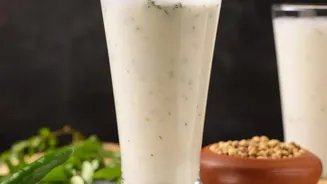
Long before kombucha became a buzzword for gut health, Indian households had their own probiotic superstar: buttermilk, or chaas. This humble, fermented drink, often enjoyed at the end of a meal or as a refreshing summer cooler, is being celebrated anew for its impressive health benefits. Rich in probiotics, it supports a healthy digestive system, aiding in everything from soothing acidity to improving gut flora. Chaas is also an excellent hydrator, packed with electrolytes like potassium, making it a far healthier choice than sugary soft drinks. Its calcium content supports bone health, and its cooling properties are legendary for calming the body, especially after a spicy meal or during hot weather.
The Return of Seasonal Fruits
The year-round availability of all types of fruit in supermarkets created a disconnect from nature's cycles. Now, the wisdom of eating seasonally is making a strong comeback. Health-conscious consumers are choosing juicy, local jamuns in the monsoon and sweet, immunity-boosting oranges in winter over expensive, imported berries that have travelled thousands of miles. Eating seasonally offers clear advantages. Fruits harvested at their peak are fresher, more flavourful, and boast a higher nutritional density. They align with the body's needs for a particular climate — cooling, hydrating fruits in summer and vitamin C-rich ones in winter. This practice also supports local farmers and is more environmentally sustainable.
The Mighty Millet Revolution
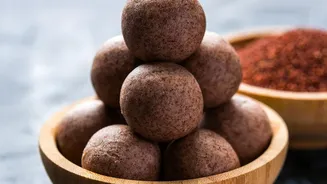
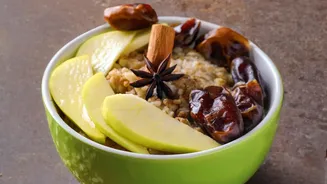
Perhaps the most significant aspect of this dietary renaissance is the revival of ancient grains. Millets like jowar (sorghum), bajra (pearl millet), and ragi (finger millet), which were staples for centuries before the Green Revolution prioritised wheat and rice, are being rediscovered. Once dismissed as 'coarse grains', millets are now celebrated as nutrient powerhouses. They are naturally high in fibre, protein, vitamins, and minerals, and are often gluten-free. Their low glycemic index makes them particularly beneficial for managing blood sugar levels, a growing concern in India. The United Nations declaring 2023 as the International Year of Millets further boosted their profile, with chefs and home cooks alike now using them in everything from rotis and dosas to modern salads and baked goods.
Why We Are Going Back to Our Roots
This movement is driven by a convergence of factors. A greater awareness of nutrition science has led people to scrutinise labels and question the health claims of ultra-processed foods. There is a growing appreciation for gut health as the foundation of overall wellness, a principle that traditional Indian diets naturally supported through fermented foods and high-fibre ingredients. Furthermore, a rising sense of cultural pride and a desire for sustainable, locally sourced food are encouraging people to explore the rich diversity of India’s own agricultural heritage. It’s a holistic approach that connects personal health with the health of the community and the planet.