


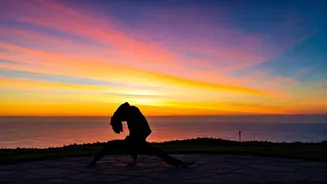


What is a Sun Salutation?
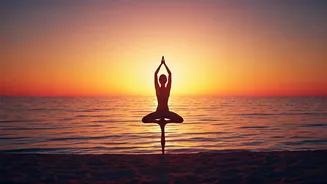
Surya Namaskar, which translates to "to bow down to the sun," is a sequence of approximately 12 flowing yoga postures linked by breath. Traditionally practised at sunrise to greet the new day, it's a complete exercise in itself, serving as a full-body
workout and a moving meditation. The practice is designed to awaken the body's energy, improve circulation, and prepare you both physically and mentally for the day ahead. Its origins lie in honouring the sun as the source of life and energy.
The Physical Transformation
Incorporating Sun Salutations into your daily routine offers a wealth of physical benefits. It's an excellent way to warm up the body, engaging all major muscle groups. Regular practice builds functional strength, particularly in the core, arms, and legs, through poses like Plank and Downward-Facing Dog. The sequence systematically moves the spine through flexion and extension, which enhances flexibility and can improve posture. This dynamic movement also acts as a cardiovascular workout, especially when performed at a faster pace, which can aid in weight management and boost heart health. Furthermore, the alternate stretching and compressing of the abdomen massages digestive organs, promoting better digestion and metabolism.
Finding Your Mental Balance
The benefits of a daily Sun Salutation practice extend far beyond the physical. The synchronized flow of movement and breath is a powerful tool for calming the mind and reducing stress and anxiety. By focusing on the rhythm of your inhales and exhales as you move through the poses, the practice becomes a form of moving meditation, helping to clear mental clutter and increase focus. Ancient yogis believed the practice helps to expand the solar plexus, an area connected to emotions and intuition, leading to greater mental clarity. Starting the day with this mindful practice helps set a positive and grounded tone, fostering emotional resilience and a sense of inner peace that you can carry with you.
Your Step-by-Step Guide
A full round of Sun Salutation consists of two sets, leading with the right leg in the first set and the left in the second. Here is a common 12-step sequence: 1. **Pranamasana (Prayer Pose):** Stand tall with feet together, palms joined at your chest. 2. **Hastauttanasana (Raised Arms Pose):** Inhale, lift your arms up and arch back slightly. 3. **Padahastasana (Forward Bend):** Exhale, bend forward from the hips, bringing hands to the floor. 4. **Ashwa Sanchalanasana (Equestrian Pose):** Inhale, step your right leg back into a lunge, and look up. 5. **Dandasana (Plank Pose):** Exhale, step the left leg back to join the right in a straight line. 6. **Ashtanga Namaskara (Eight-Limbed Pose):** Lower your knees, chest, and chin to the floor. 7. **Bhujangasana (Cobra Pose):** Inhale, slide forward and lift your chest, keeping shoulders down. 8. **Adho Mukha Svanasana (Downward-Facing Dog):** Exhale, lift hips to form an inverted 'V'. 9. **Ashwa Sanchalanasana (Equestrian Pose):** Inhale, step your right foot forward between your hands. 10. **Padahastasana (Forward Bend):** Exhale, bring the left foot forward to meet the right. 11. **Hastauttanasana (Raised Arms Pose):** Inhale, reach arms up and arch back. 12. **Pranamasana (Prayer Pose):** Exhale, return to the starting position.
Making It a Daily Habit
Consistency is key to reaping the full benefits. Start small; beginning with just two or three rounds each morning can take as little as five minutes. Try linking the new habit to an existing part of your morning routine, like before your morning tea or meditation. Most importantly, listen to your body. If you have a bad back, high blood pressure, wrist or knee injuries, or are pregnant, you should consult a professional or avoid the practice. The goal is not perfection but presence. Over time, as your strength and flexibility grow, you can increase the number of rounds or slow the pace to deepen the stretch and meditative quality.