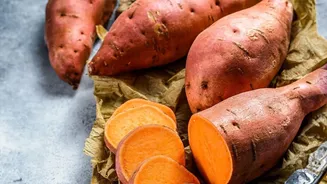






The humble sweet potato is a powerhouse of flavour and nutrition, but unlocking its full potential in a mash requires care. From watery results to bland flavour, the pitfalls are many. Here’s how to get it right every time.
Start with the Right Cook
The first and most critical
decision in your mashed sweet potato journey is how you cook the potatoes themselves. While boiling is fast, it often leads to the most common problem: a watery, bland mash. Boiling introduces excess moisture that dilutes the potato's natural sugars and flavour. For a deeper, more concentrated, and naturally sweet taste, roasting is the superior method. Simply pierce whole sweet potatoes with a fork, place them on a baking sheet, and roast at around 200°C until they are completely tender and the skins are pulling away. The dry heat caramelizes the starches, intensifying the flavour and resulting in a fluffier, less water-logged foundation for your mash.
The Secret to Perfect Texture
Once your sweet potatoes are cooked, the tool you use to mash them matters immensely. Over-processing is the enemy of good texture, often resulting in a gummy, paste-like consistency. This happens when the starch cells are overworked. For a light and fluffy result, a simple hand masher or a fork is often your best bet, as it gives you maximum control. A potato ricer is another excellent option that guarantees a smooth, lump-free mash without overworking the potatoes. It's best to avoid using a blender or a food processor; their high-speed blades are too aggressive and will almost certainly lead to that undesirable gummy texture.
Mastering the Savory Mash
Mashed sweet potatoes are not just a vehicle for sugar and spice. Their earthy sweetness provides a brilliant canvas for a wide range of savory flavours. Start by incorporating rich fats like brown butter, which adds a nutty depth, or a drizzle of high-quality olive oil. From there, think about aromatics and herbs. Roasted garlic, mashed right in with the potatoes, adds a mellow sweetness. Finely chopped fresh herbs like rosemary, thyme, or sage lend a fragrant, woodsy note that pairs beautifully with roasted meats. For a bit of heat, consider a pinch of chipotle powder or cayenne pepper. A swirl of sour cream or Greek yogurt can also add a pleasant tang and extra creaminess.
Perfecting the Classic Sweet Mash
For those who prefer the traditional, dessert-like version, balance is key. The goal is to enhance the potato's natural sweetness, not overwhelm it. Instead of just white sugar, try sweeteners with more complex flavours, such as a drizzle of maple syrup or a spoonful of dark brown sugar. Warm spices are essential here. Cinnamon is a classic, but a pinch of nutmeg, a dash of allspice, or a hint of ground ginger can add wonderful complexity. To achieve a luscious, creamy consistency, full-fat coconut milk is a fantastic dairyfree alternative to cream, adding its own subtle tropical sweetness. And never underestimate the power of a pinch of salt—it sharpens and elevates all the other flavours.
Elevate with Toppings and Mixins
The base mash is just the beginning. The final flourish of a great topping can transform your dish by adding texture and a complementary flavour. For a sweet mash, toasted pecans or walnuts provide a welcome crunch that contrasts beautifully with the creamy potatoes. A small crumble of crispy bacon or prosciutto can add a salty, savoury crunch that works with both sweet and savory preparations. Other ideas include a sprinkle of crumbled goat cheese or feta for a tangy bite, a scattering of toasted pumpkin seeds, or a simple garnish of fresh chives or parsley. These additions make the dish feel more complete and thoughtfully prepared.