



Understanding the 'Nutrition Push'
Every September, India observes 'Rashtriya Poshan Maah' (National Nutrition Month) to improve nutritional outcomes across the country. This year, the 9th edition of the campaign will be launched on September 9 in Varanasi. The initiative aims to mobilise
communities and spread awareness about the importance of nutrition for women and children. The 2026 theme, “Hamari Anganwadi Hamari Jimmedari” (Our Anganwadi, Our Responsibility), highlights the role of community-led action in child nutrition. For parents, this national campaign is a great opportunity to reset and reinforce healthy eating habits at home, aligning with the broader goal of a well-nourished India.
The Core Nutritional Challenges
Despite access to diverse foods, many Indian children face micronutrient deficiencies. Studies show that a significant percentage of children lack essential nutrients like iron, Vitamin D, Vitamin A, and zinc. Iron deficiency is particularly widespread and can lead to anaemia, causing fatigue and poor concentration. Vitamin D deficiency is also common, partly due to less time spent outdoors, affecting bone health and immunity. These gaps often stem from diets heavy on cereals and low on fruits, vegetables, and proteins. Recognizing these common pitfalls is the first step toward building a more balanced diet.
Building a Nutrient-Rich Plate
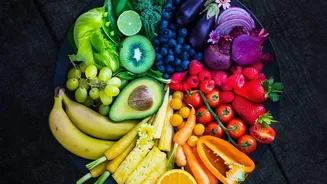
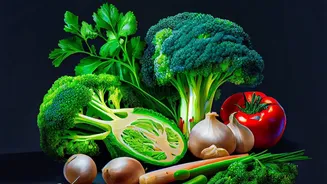
Ensuring a balanced diet doesn't have to be complicated or expensive. A key theme of this year's Poshan Maah is dietary diversity, with a special focus on protein. Incorporate a variety of food groups into daily meals. For iron, include lentils (dal), spinach, and jaggery. Boost protein intake with pulses, eggs, milk, curd, and paneer. For Vitamin A, carrots and sweet potatoes are excellent choices, while sunlight remains the best source of Vitamin D. Combining different food groups in one meal, like a dal with vegetables and a side of curd, ensures a mix of essential nutrients. The goal is a colourful, varied plate that changes with the seasons.
Navigating Modern Food Hurdles
Today’s parents face unique challenges, from the constant allure of processed foods to picky eating habits. Limiting sugary drinks and packaged snacks high in salt and fat is crucial. The Food Safety and Standards Authority of India (FSSAI) has regulations that can help, such as rules for food sold in and around schools and labelling to identify items high in fat, sugar, and sodium. When dealing with a picky eater, patience is key. Experts suggest it can take more than ten exposures for a child to accept a new food. Involving children in meal prep, from washing vegetables to mixing ingredients, can make them more interested in trying the final dish.
It's a Family Affair
Children learn by example. The most effective way to instil healthy eating habits is to adopt them as a family. Make mealtimes a positive, screen-free experience that encourages conversation. Avoid using food as a reward or punishment, as this can create an unhealthy relationship with eating. Instead, talk about how nutritious food gives them energy to play and learn. By making healthy eating a normal and enjoyable part of family life, you are giving your child a foundation for lifelong well-being that extends far beyond just meeting their daily nutritional requirements.