



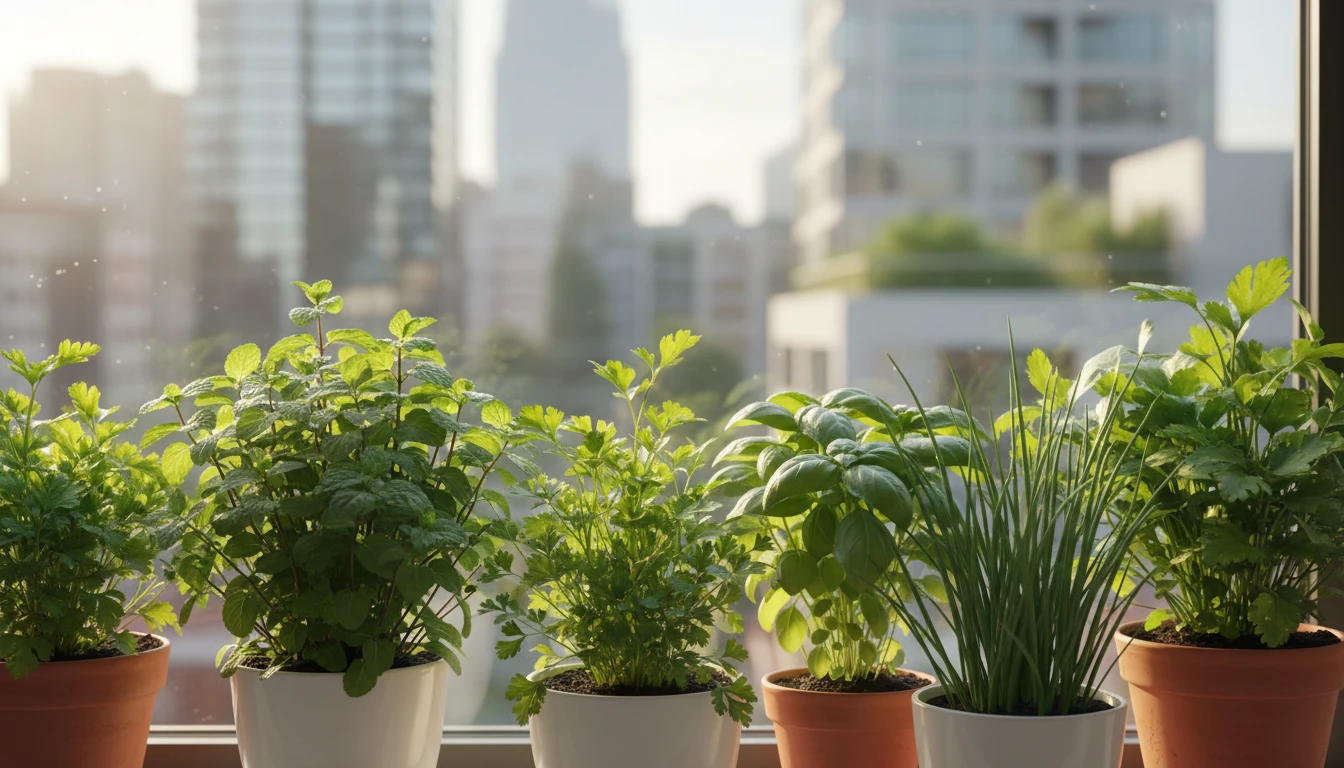


Mint (Pudina)
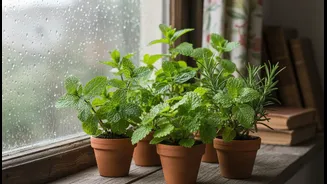
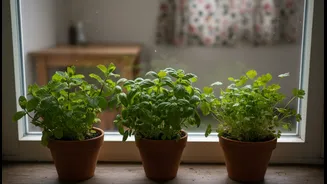
Mint is arguably one of the easiest and most rewarding herbs to grow indoors. Known for its vigorous growth, what might be considered invasive in a garden bed becomes a huge advantage in a pot, promising a steady supply of fresh leaves. This herb is a staple
in Indian households, perfect for everything from a refreshing chutney to a hot cup of tea or a cooling summer mojito. To get started, you’ll need a pot that’s at least 8-10 inches wide to give its energetic root system space to spread. Use a light, well-draining potting mix; never use dense garden soil, which compacts easily and can lead to root rot. Mint thrives in a spot that receives bright, indirect light for several hours a day, like an east or west-facing window. It prefers consistently moist soil, so water it whenever the top inch of the soil feels dry. Harvest often by snipping stems just above a leaf node to encourage bushier, fuller growth.
Coriander (Dhania)
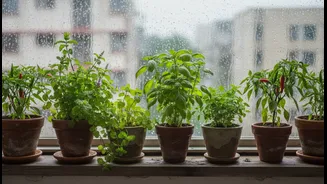
No Indian kitchen is complete without fresh coriander for garnishing dals, curries, and sabzis. Growing this aromatic herb on your windowsill ensures you always have it on hand. Coriander can be grown from seeds, which are readily available. For a better germination rate, some gardeners recommend soaking the seeds overnight. Since coriander dislikes having its roots disturbed, it’s best to sow the seeds directly into their final pot. Choose a container with good drainage holes and fill it with a quality potting mix enriched with organic matter. Sprinkle the seeds thinly over the surface and cover with about 1cm of soil. Place the pot on a sunny, warm windowsill where it can get at least six hours of daylight. Keep the soil consistently moist but not waterlogged to prevent the plant from bolting—flowering prematurely, which reduces leaf production. With regular watering, you can expect to harvest fresh leaves in about 40 to 45 days.
Holy Basil (Tulsi)
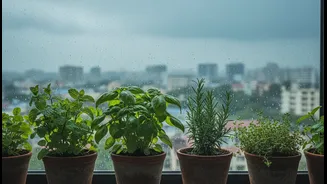
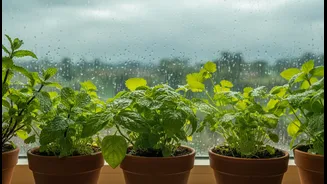
Revered for both its spiritual significance and medicinal properties, Tulsi is a fantastic herb for an Indian home. Its peppery, aromatic leaves are a key ingredient in healing kadhas and herbal teas, known to help with colds and coughs. Tulsi loves warmth and sunlight, so a south-facing windowsill where it can receive at least 4-6 hours of direct sun is ideal. You can grow it from seeds sown in a well-draining, fertile potting mix. The seeds are tiny and should be sprinkled on the surface and pressed gently, as they need light to germinate. Keep the soil evenly moist, especially during the germination period which can take one to two weeks. To encourage a bushier plant with plenty of leaves, regularly pinch off any flower buds that form. Growing Tulsi isn’t just about having a fresh herb; it’s about bringing a sense of wellness and tradition into your home.
Lemongrass
The zesty, citrusy aroma of lemongrass is enough to brighten any room, and its stalks are essential for flavouring Thai curries, soups, and refreshing teas. Lemongrass grows surprisingly well in containers, making it a great candidate for a sunny windowsill. The easiest way to start is not from seed, but from fresh stalks bought at a grocery store. Look for firm stalks with the bulbous base intact. Simply place these stalks in a glass with a few inches of water and set it in a sunny spot. Change the water every few days, and in a couple of weeks, you should see roots begin to sprout. Once the roots are an inch or two long, you can transplant the stalks into a large pot—at least 8-12 inches in diameter—filled with a quality potting mix. Lemongrass is a sun-lover and needs at least six to eight hours of direct sunlight daily to thrive. It also appreciates humidity, so misting the leaves occasionally can be beneficial.