




The Problem with Prolonged Dampness
When hair remains wet for extended periods, it’s more than just an inconvenience. The hair shaft swells as it absorbs moisture from the air, making it fragile and susceptible to breakage. A constantly damp scalp also creates the perfect warm, moist environment
for fungal growth, which can lead to itchiness, dandruff, and other infections. Tying up wet hair is one of the biggest mistakes, as it traps moisture against the scalp and puts stress on already weakened roots, encouraging both breakage and scalp issues. The goal during monsoon is to get your hair and scalp dry as efficiently and gently as possible.
Upgrade Your Towel-Drying Technique
Your first line of defence after a wash is how you remove excess water. Vigorously rubbing your hair with a standard cotton towel creates friction that roughs up the hair cuticle, leading to instant frizz and tangles. Instead, switch to a soft microfiber towel or even an old cotton t-shirt. These materials are more absorbent and gentler on the hair. Don't rub; instead, gently squeeze or pat the water out of your hair section by section. This simple change significantly reduces friction and helps keep the hair cuticle smooth, which is crucial for fighting humidity-induced frizz.
Rethink Your Air-Drying Strategy
While air-drying is often recommended as a gentle option, it can be counterproductive during the monsoon. The high humidity in the air prevents your hair from drying completely, leaving it in a prolonged state of damp vulnerability. A better approach is a hybrid method. Let your hair air-dry until it's about 70-80% dry, and then use a blow-dryer to finish the job. This minimises the time your hair stays wet while also reducing potential heat damage. Never step outside with wet or even slightly damp hair, as it will just absorb more moisture from the air, defeating all your efforts.
Use Heat Styling Smartly
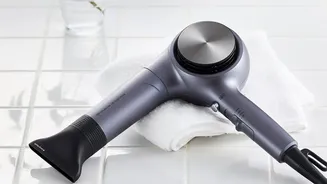
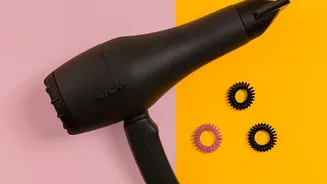
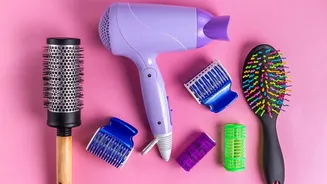
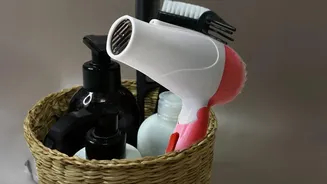
If you use a blow-dryer, technique matters. Always use a heat protectant spray to shield your strands. When drying, point the nozzle downwards along the hair shaft. This helps the cuticles lie flat, sealing them against humidity and creating a smoother finish. Using the cool shot button on your dryer at the end of your session can also help to seal the cuticle and lock in your style. If you must use heat, ensure your hair is 100% dry before you stop, as any remaining dampness is an open invitation for frizz.
Layer Products for a Humidity Shield
Products are your best allies in the fight against frizz. The key is to create a barrier that prevents hair from absorbing moisture from the air. After washing, while your hair is still damp, apply a leave-in conditioner, focusing on the mid-lengths and ends. This helps to hydrate the hair from within, making it less thirsty for outside humidity. Follow up with a few drops of a lightweight anti-frizz serum to seal the cuticle and provide a protective coating. For extra hold, a humidity-resistant hairspray can lock your style in place.
Protect Your Hair Overnight
How you sleep can either preserve your hard work or undo it. If you have to wash your hair at night, never go to bed with it wet. Ensure it is completely dry to prevent fungal growth on your scalp and breakage. To protect your style and prevent friction-induced frizz, sleep on a silk or satin pillowcase. These materials cause less friction than cotton, allowing your hair to glide over the surface without getting roughed up. Alternatively, you can loosely tie your hair in a silk scarf before bed.