





The National Outlook: A Subdued Finale
The India Meteorological Department (IMD) has forecast below-normal rainfall for the country as a whole during the second half of the monsoon season, covering August and September. Rainfall during this period is expected to be less than 94% of the Long
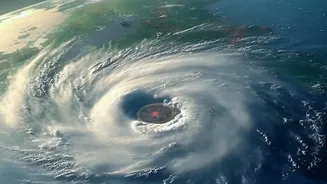
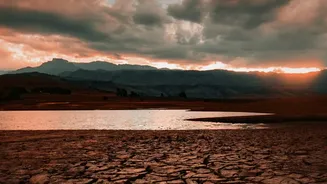
Period Average (LPA). This outlook is largely influenced by the strengthening of moderate El Niño conditions over the Pacific Ocean, a phenomenon typically associated with weaker monsoon rains in India. While a positive Indian Ocean Dipole (IOD) could potentially develop in September and offer some help, the prevailing forecast suggests a drier end to the season for many. This comes after a month of contrasts: a significant deficit in June was somewhat balanced by near-normal rains in July, though distribution remained highly uneven across the country.
Reservoir Realities: A Mixed Bag
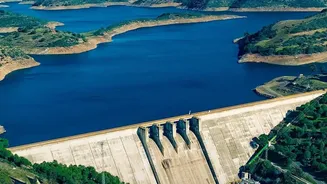
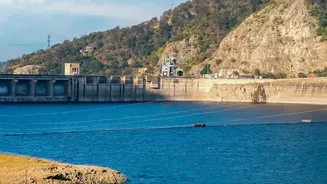
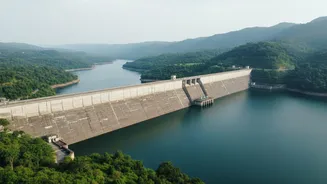
The performance of the late monsoon will be critical for India's reservoirs, which are the lifeline for drinking water and agriculture. As of late July, the country's 166 major reservoirs held storage that was below both the levels of the previous year and the ten-year average. The situation is particularly concerning in South India, where reservoir storage is significantly lower than normal. Conversely, heavy rainfall in other pockets has led to healthy storage levels. In Mumbai, for instance, the seven lakes that supply the city have crossed 90% of their total capacity as of early August, easing immediate water security concerns for the metropolis. However, many other regions are not as fortunate and will be heavily reliant on the rainfall received in the coming two months to secure water for the post-monsoon period.
Municipal Supply and Urban Planning
For municipal corporations, the IMD's forecast necessitates a close watch on water management strategies. While a city like Mumbai might be in a comfortable position with its lakes nearly full, officials note that they will likely reach full capacity by the end of August, with two months of the monsoon still remaining. Other cities across Maharashtra, including Pune, have already implemented water conservation measures like alternate-day supply earlier in the season due to falling dam levels. The below-normal forecast for August and September means that urban centres, especially those in regions predicted to have a deficit, cannot afford to be complacent. Authorities will need to balance current supply with the need to preserve water for the drier months ahead, potentially leading to the continuation or introduction of water usage restrictions.
District Forecasts: The Uneven Impact
A national average often masks significant regional variations, and this forecast is no exception. The IMD predicts that while many parts of the country will see below-normal rain, some areas of peninsular India, central India, and parts of the east, northeast and northern-most regions could receive normal to above-normal rainfall. This uneven distribution will have a direct impact on the Kharif crop sowing, which was already trailing last year's numbers due to the patchy start to the monsoon. Districts in states like Andhra Pradesh and Kerala have already reported deficient rainfall. The outlook for August suggests western India could be one of the worst-hit regions. This variability means that while some farmers may find relief, others could face significant challenges related to irrigation and crop health as they enter a critical growth phase.