








Why Your Gut Is More Vulnerable During Monsoon
The romance of the rainy season often comes with a less romantic side effect: an increase in digestive issues. The high humidity and moisture in the air create a perfect breeding ground for bacteria and viruses. This means food spoils faster, and water
sources are more easily contaminated, leading to a rise in infections like gastroenteritis, typhoid, and hepatitis A. From a traditional Ayurvedic perspective, our 'Agni' or digestive fire is naturally weaker during this season. This slowdown in metabolism makes our gut more susceptible to problems like bloating, acidity, and indigestion. The combination of environmental risks and a sluggish digestive system is why taking extra care of your gut during the monsoon is not just advisable, but essential.
The Real Secret: Warm, Cooked, and Light
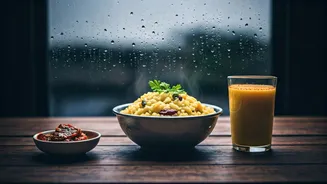
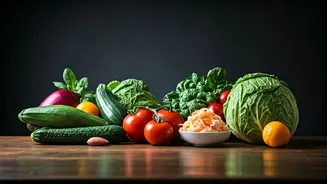
The ultimate 'secret' to monsoon gut health lies in switching to foods that are easy to digest. Ayurveda advises favouring warm, freshly cooked, and light meals. Think comforting bowls of dal, steamed vegetables, and nourishing soups. Raw foods, especially salads and pre-cut fruits from outside, should be avoided. While they seem healthy, they can harbour germs that are difficult to wash away, especially leafy greens which grow close to contaminated soil. Instead of a raw salad, opt for steamed or lightly sautéed vegetables. This simple switch reduces the load on your weakened digestive system and minimises the risk of infection, allowing you to get your nutrients safely.
Hydration, but Make It Smart
Staying hydrated is crucial, but how you hydrate matters more than ever during the monsoon. Tap water can be risky due to potential contamination of pipelines. The safest bet is to drink only boiled or properly filtered water. Beyond plain water, herbal teas are your best friend. Brews made from ginger, tulsi, mint, or lemongrass not only keep you warm but also have powerful digestive and immunity-boosting properties. Ginger tea, for instance, stimulates digestive enzymes, while mint tea can soothe an upset stomach. These warm, hydrating drinks support your gut and help flush out toxins, making them a non-negotiable part of your monsoon wellness routine.
Embrace Your Gut's Best Friends: Probiotics
A healthy gut is teeming with beneficial bacteria, and the monsoon is the perfect time to give them a boost. Probiotics are live microorganisms that strengthen your gut's natural defences against harmful pathogens. Thankfully, you don't need fancy supplements. Traditional Indian foods are excellent sources. Incorporating homemade dahi (yogurt), chaas (buttermilk), idli, and dhokla into your diet provides a natural dose of these friendly bacteria. These fermented foods help restore the balance of your gut microbiome, improving digestion, enhancing nutrient absorption, and reducing the risk of common monsoon stomach bugs.
What to Gently Push Off Your Plate
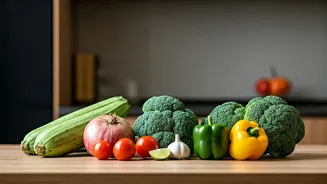
Knowing what to avoid is half the battle. While cravings for fried snacks like pakoras and samosas are strong during the rains, it’s wise to indulge in moderation. Heavy, oily foods are difficult to digest and can lead to bloating and acidity. Street food, especially items like chaat and fresh juices, pose a high risk due to uncertain hygiene and water quality. It's also a good idea to limit seafood, as monsoon is the breeding season for fish, and the risk of spoilage is high. Finally, be cautious with leafy green vegetables; unless washed meticulously and cooked thoroughly, they are best avoided. Choosing alternatives like bottle gourd (lauki), bitter gourd (karela), and ridge gourd (tori) is a safer bet.