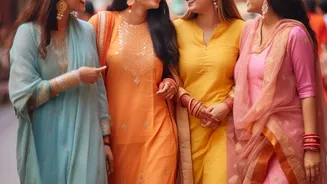

In a world saturated by the fleeting trends and uniformity of fast fashion, a quiet but powerful shift is taking place in India. Younger generations are looking past mass-produced garments, finding a unique voice in a surprising place: heritage.
The Search for Authenticity
For years,
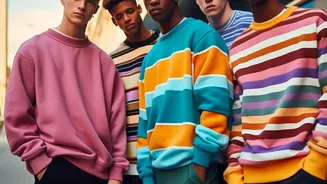
fast fashion dominated the wardrobes of young, urban Indians with its promise of trendy, affordable clothing. But this convenience came at a cost: a sense of aesthetic fatigue. When everyone is buying from the same handful of global brands, personal style can feel less personal. In response, a growing number of Gen Z consumers are intentionally seeking out clothing that tells a story and offers a real connection. This isn't just about rejecting mass production; it's about embracing authenticity. They are looking for pieces with character and a history, moving away from clothes that feel temporary and have little backstory.
Weaving a Modern Identity
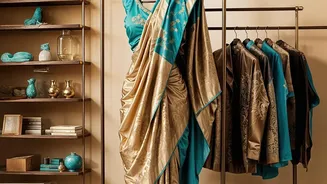
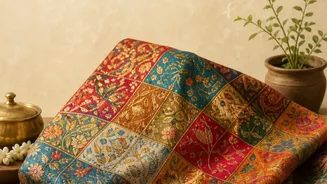
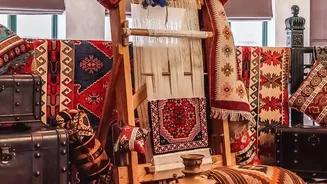
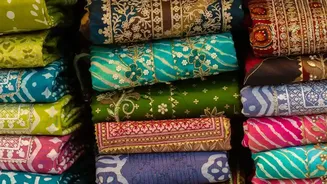
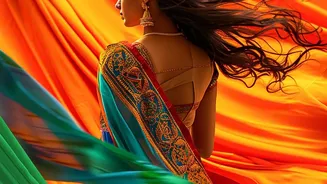
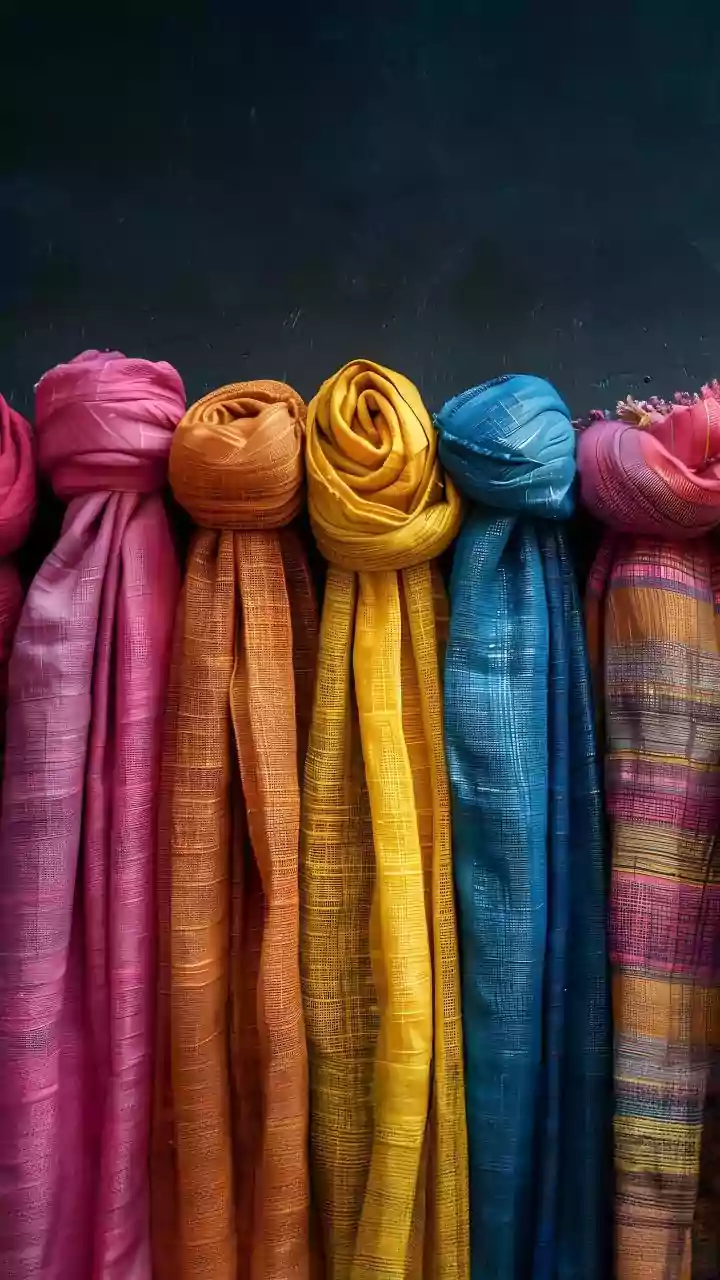
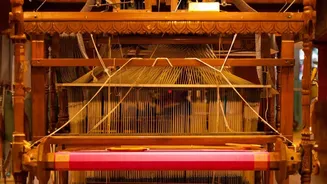
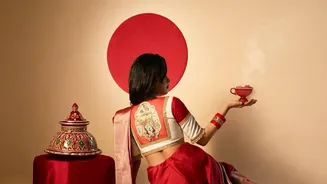
Enter India's rich tapestry of regional textiles. From the geometric block prints of Ajrakh in Gujarat to the airy, delicate weaves of Jamdani from West Bengal, these fabrics offer a powerful antidote to homogeneity. For many young people, wearing handloom is an act of cultural ownership and a way to express individuality. They are not simply replicating their grandmothers' wardrobes. Instead, they are reinventing how these textiles are worn. You might see a Jamdani saree paired with combat boots, a handwoven Khadi jacket thrown over jeans, or an Ajrakh-printed scarf styled as a modern accessory. This fusion creates a look that is both deeply rooted in Indian heritage and unapologetically contemporary.
A Conscious Consumer Choice
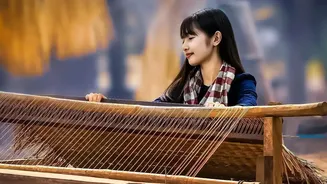
The turn towards regional textiles is driven by more than just aesthetics. It is also a conscious choice rooted in sustainability and ethical values. Handloom production has a significantly smaller carbon footprint than industrial manufacturing, often relying on manual energy and natural fibres like cotton and silk. Many young consumers are increasingly aware of the environmental toll of the fashion industry and are looking for ways to make more responsible choices. Supporting handloom also means supporting the livelihoods of rural artisans and preserving craft traditions that have been passed down through generations, a factor that resonates deeply with a generation that values transparency and ethical production.
Designers and Digital Platforms as Catalysts
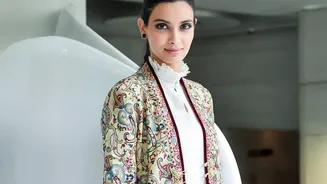
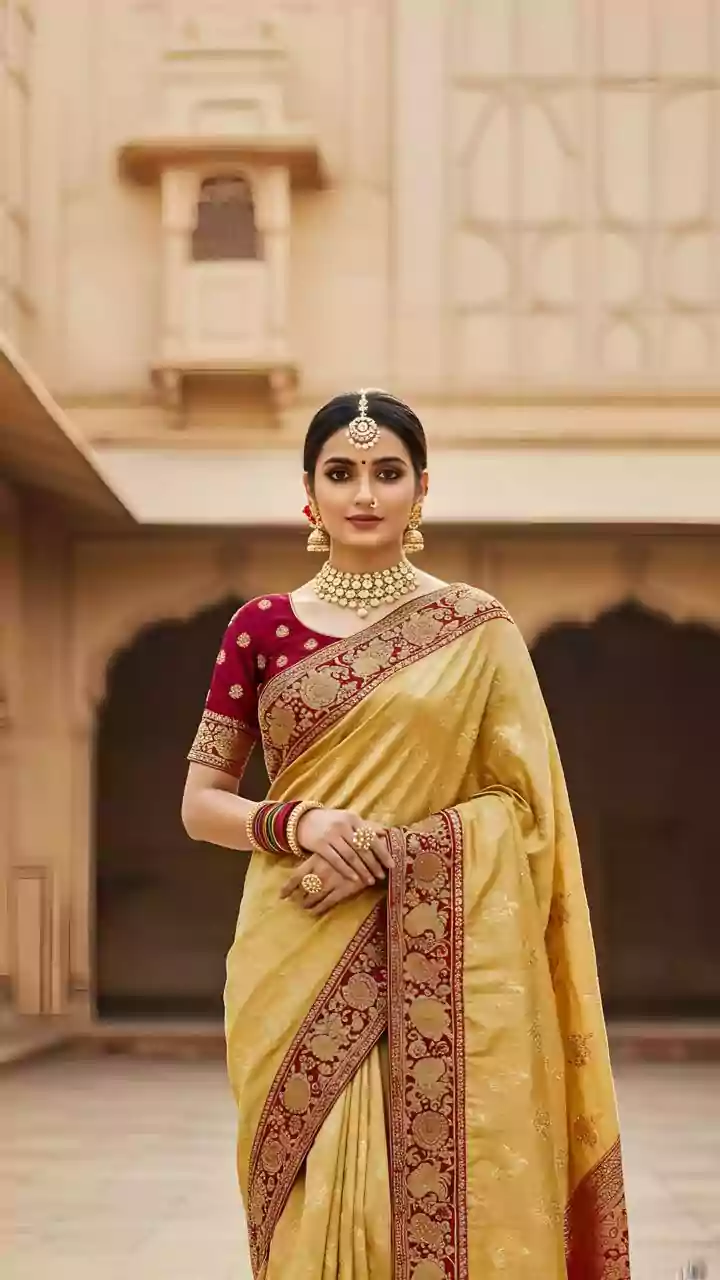
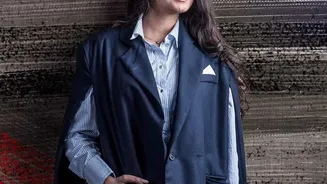
This revival is being championed by a new wave of Indian designers and online brands. Designers like Sabyasachi Mukherjee and Anita Dongre have long played a role in elevating Indian crafts, and now a younger generation of creators is making these textiles more accessible. They are transforming fabrics once reserved for sarees and formal wear—like Banarasi silk or Chanderi—into structured blazers, contemporary co-ord sets, and everyday silhouettes. Social media platforms like Instagram have become crucial, allowing young people to discover these brands and share innovative ways to style heritage pieces, making traditional fabrics feel more relevant and aspirational than ever.