




Pack Smart, Not Just Light
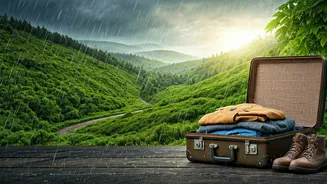
Your packing strategy for a monsoon trip needs to prioritise staying dry. This season, fashion takes a backseat to function. Opt for synthetic, quick-dry clothes like polyester or nylon blends, as they dry in hours, unlike cotton or denim which can remain
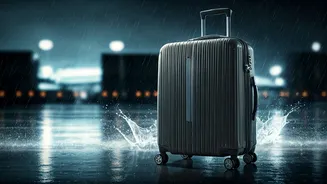
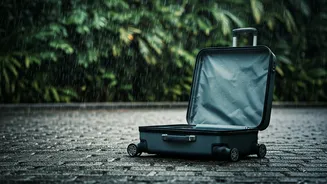
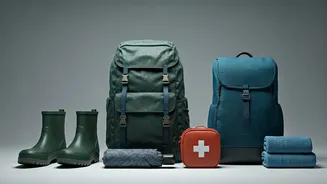
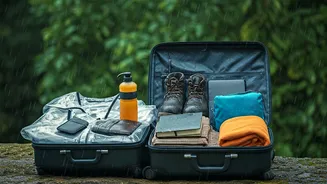
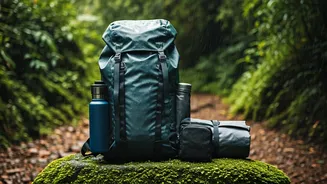
damp and uncomfortable. [2, 9] It’s wise to pack dark-coloured clothing to hide mud or puddle splashes. [2] Essential rain gear includes a sturdy, lightweight raincoat or poncho—ideally one large enough to cover your backpack—and a wind-resistant umbrella. [4, 7] Don't forget waterproof covers for your luggage and smaller Ziplock or dry bags for electronics, documents, and cash. [2, 23] A quick-dry microfiber towel is far more practical than a standard cotton one. [2]
Choose Your Footwear Wisely
The right footwear is non-negotiable for navigating slippery, waterlogged streets. Leather shoes and canvas trainers are a poor choice as they get ruined and take ages to dry. [4] Instead, opt for waterproof rubber sandals, floaters, or trekking shoes with excellent grip. [2, 18] These will allow you to walk through puddles without worry and provide stability on slick surfaces. [2, 7] It's always a good idea to pack an extra pair of shoes so you have a dry option while the other airs out. [18] Flip-flops are suitable for casual indoor wear but lack the necessary grip for outside exploration. [2]
On the Road: Driving with Caution
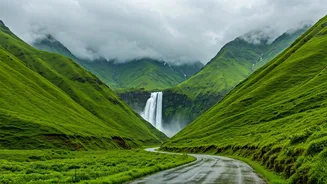
Monsoon road trips require heightened awareness. Before you start, ensure your car is monsoon-ready: check your tyres for adequate tread depth, test your brakes, and make sure your wiper blades are in good working condition. [3, 5] Poor visibility is a major hazard, so always use your low-beam headlights during rain to ensure you can see and be seen. [6, 15] Reduce your speed, as wet roads significantly increase braking distances, and maintain a larger gap than usual from the vehicle in front of you. [3, 5] Be extremely wary of waterlogged roads; if you can't gauge the depth, it's safer to find an alternate route or wait for the water to recede. [15] Never try to restart a car that has stalled in deep water, as this can cause severe engine damage. [6]
Health and Hygiene on the Go
The monsoon is a breeding season for mosquitoes and water-borne diseases. [7, 10] Carry a potent insect repellent to protect against illnesses like dengue and malaria. [7, 19] Be cautious about food and water consumption. Stick to bottled or filtered water and prioritise freshly cooked hot meals over raw foods like salads or pre-cut fruit from street vendors. [2, 4] Your travel kit should include a basic first-aid kit with antiseptic wipes, waterproof bandages, and medications for common ailments like fever, diarrhoea, and allergies. [2, 8] Oral rehydration salts (ORS) are also essential to have on hand. [4]
Plan for Delays and Disruptions
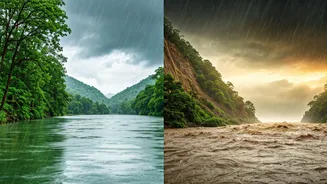
Flexibility is your greatest asset when travelling during the monsoon. Flights, trains, and buses often face delays or cancellations due to heavy rain and poor visibility. [4] It's crucial to build buffer time into your itinerary, especially between connecting journeys. [4, 11] Before and during your trip, regularly check weather forecasts for both your destination and the route you're taking. [4, 16] In hilly regions like Himachal Pradesh or Uttarakhand, be particularly cautious of landslides, which are more frequent during this season, and avoid night travel on mountain roads. [4, 13] Keeping some extra cash is also a good idea, as power cuts can affect ATMs and digital payments in remote areas. [4]