


Mastering the Crispy Base
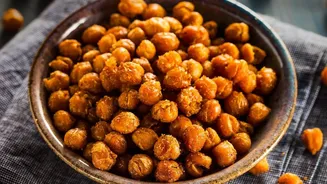
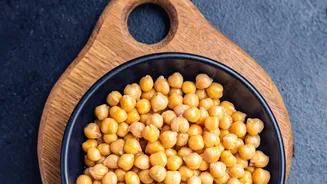
The secret to an incredible roasted chickpea is a perfectly crispy texture, which creates a delightful contrast to any flavouring. The most critical step is ensuring the chickpeas are as dry as possible before they go into the oven. After draining and
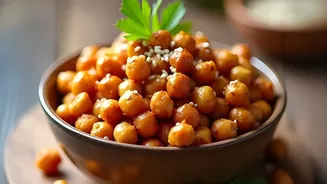
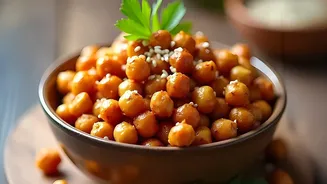
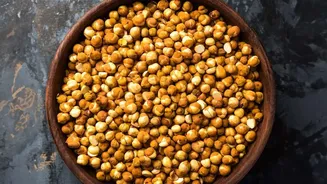
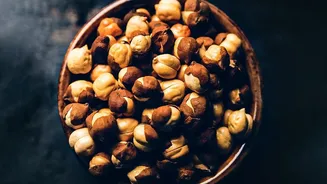
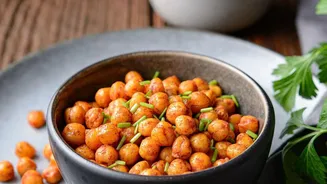
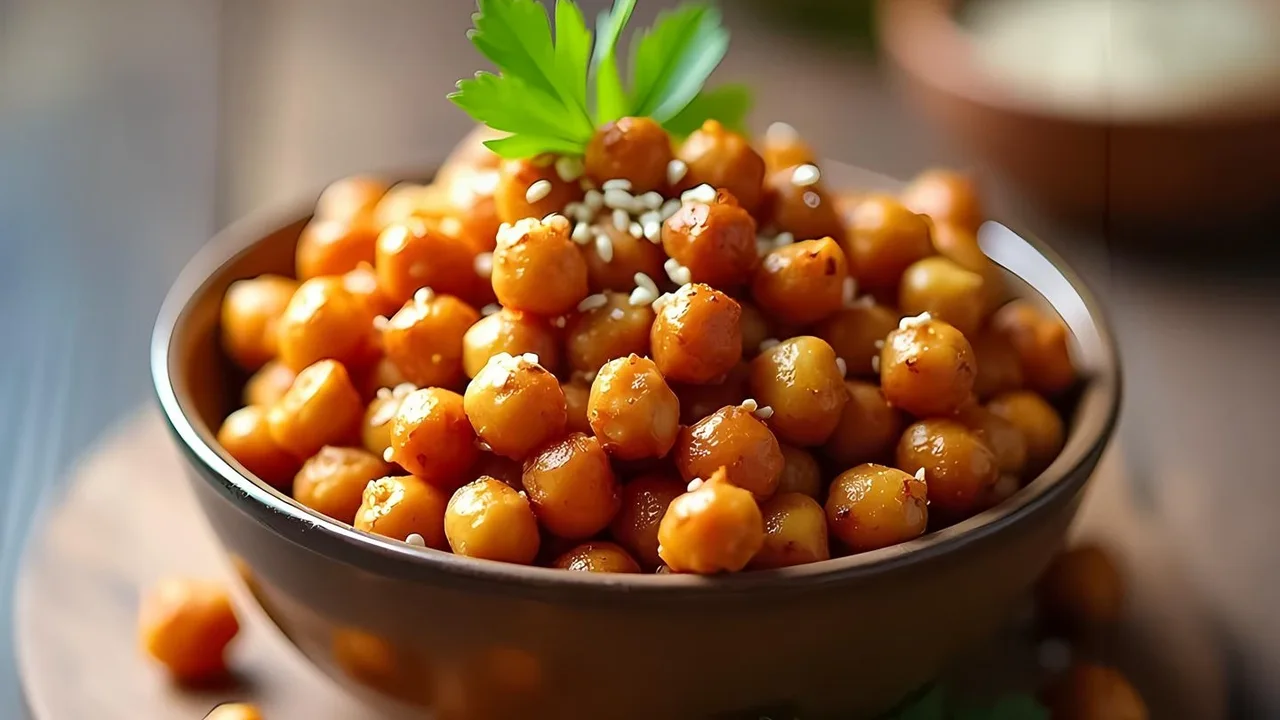
rinsing a can of chickpeas, spread them on a towel and pat them thoroughly dry, removing any loose skins that come off. A high oven temperature, around 200-220°C, is essential for achieving that desirable crunch. Roast them on a single layer on a baking sheet for 20-30 minutes, shaking the pan occasionally, until they are golden brown and make a dry, hollow sound when shaken. It's best to toss them with oil and any dry spices after they are roasted, as this prevents the spices from burning and helps the chickpeas get even crispier. They will continue to crisp up as they cool.
The Magic of Acidity
Why do tangy flavours work so well with chickpeas? It comes down to balance. Chickpeas have an earthy, somewhat starchy flavour profile. Acidity, whether from citrus, vinegar, or certain spices, cuts through that earthiness and brightens the overall taste. It adds a layer of complexity that makes each bite more interesting and keeps you coming back for more. This principle is why a squeeze of lemon is so effective on everything from grilled fish to lentil soup; it wakens up all the other flavours present in the dish. For roasted chickpeas, this zesty counterpoint prevents them from tasting flat or one-dimensional.
Go Classic with Citrus
The easiest entry into the world of tangy chickpeas is through citrus. Lemon and lime are classic choices that provide a bright, zesty kick. For the best results, use both the zest and the juice. Toss your hot, freshly roasted chickpeas with a bit of olive oil, salt, and seasonings like garlic powder or smoked paprika. Then, finish with a squeeze of fresh lemon juice and a generous sprinkle of lemon zest. The zest contains essential oils that provide a powerful aromatic and flavourful punch without adding extra moisture that could make the chickpeas soggy. A chili-lime combination is another fantastic option, pairing the heat of chili powder with the bright tang of lime juice for a bold flavour.
Explore Tangy Spices
Beyond fresh citrus, a world of tangy spices awaits. Sumac, a staple in Middle Eastern cuisine, offers a delightful citrusy flavour without any of the liquid. It has a tart, almost lemony profile that is fantastic on its own or paired with other spices like cumin and paprika. For a distinctly Indian twist, amchur (or amchoor) powder, made from dried green mangoes, provides a sour, fruity tang. It’s a key ingredient in chaat masala and lends an authentically sharp and sour note that is incredibly delicious on crispy chickpeas. A simple toss with amchur, a pinch of chili powder, and salt can create an unforgettable snack.
A Splash of Vinegar
For a more intense, pungent tang, vinegar is an excellent choice. Salt and vinegar is a classic flavour combination for a reason, and it works wonderfully on chickpeas. There are a couple of methods to infuse the vinegar flavour. One approach involves briefly boiling the chickpeas in vinegar before roasting to allow them to absorb the tang. Another, simpler method is to toss the chickpeas in red wine or apple cider vinegar after an initial roasting period, then return them to the oven for a final 10-15 minutes to crisp up again. This second bake is crucial to dry out the added moisture and lock in that signature crunchy texture.