



The All-Important Budget: Cost Breakdown
For many travellers, the budget is the deciding factor. Independent travel generally offers more control over daily spending. In Vietnam and Cambodia, it's possible for a backpacker to get by on ₹2,500-₹4,000 per day, staying in hostels and eating street
food. Mid-range independent travel might cost ₹6,000-₹12,000 daily. In contrast, organised tours come with an upfront cost that bundles accommodation, transport, some meals, and guided sightseeing. A 10 to 12-day tour package can range from ₹45,000 to over ₹60,000 per person, not including flights. While a tour might seem more expensive initially, it provides cost certainty. You pay once and most major expenses are covered, which helps avoid surprise costs like the significant entrance fee for the Angkor Wat complex ($37-$62), which is typically included in tours.
Freedom and Flexibility: Your Itinerary, Your Rules?
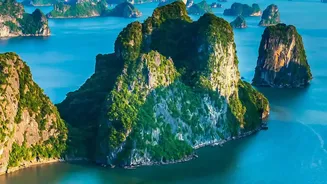
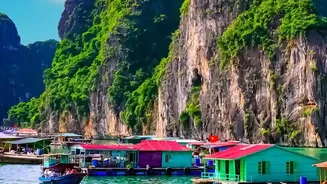
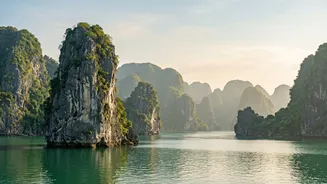
Independent travel’s greatest strength is freedom. You can linger in a city you love, change your route on a whim, or spend an entire afternoon at a single cafe. This style is perfect for those who dislike rigid schedules and want to discover hidden gems on their own terms. However, this freedom comes with the responsibility of planning everything yourself, from booking bus tickets to finding your next hotel. An organised tour offers the opposite: a set, optimised itinerary where every day is planned. This can be a huge relief for first-time visitors or those with limited time. You'll see the highlights—like Ha Long Bay and Angkor Wat—without worrying about the logistics. The trade-off is a lack of spontaneity. The group moves together, and detours from the planned route are rarely possible.
Ease and Convenience: The Logistics Factor
Navigating a multi-country trip involves logistics like border crossings, visa procedures, and transportation. For independent travellers, crossing from Vietnam to Cambodia can be done by bus, boat, or plane. The most popular land route is the 6-8 hour bus journey from Ho Chi Minh City to Phnom Penh. While manageable, you'll need to handle your own visa paperwork at the border. For Indian citizens, an e-visa is a common option for both countries. A tour group eliminates all this hassle. A guide handles border formalities, all transportation is pre-arranged, and you're simply shuttled from one point of interest to the next. This convenience is a major selling point, especially for those who find travel planning stressful. You won't have to decipher bus schedules or haggle with tuk-tuk drivers; it's all taken care of.
Cultural Immersion: Authentic vs. Curated
How you experience the local culture can differ greatly. Independent travel often forces a deeper level of interaction. You'll navigate local markets, order food using sign language, and rely on the kindness of strangers. These moments can lead to more authentic and memorable cultural exchanges. In contrast, a tour provides a more curated cultural experience. You’ll have a local guide who can explain the history of the temples and translate conversations, offering invaluable context. However, you'll spend most of your time with other tourists, eat at restaurants chosen for their appeal to foreign palates, and may miss out on the unpredictable magic of spontaneous discovery.
Safety and Support: A Guided Hand or Self-Reliance
Both Vietnam and Cambodia are generally considered safe for tourists, though petty crime like pickpocketing can occur in crowded areas. Traveling independently means you are responsible for your own safety and for solving any problems that arise, from a missed bus to a lost wallet. This requires a level of self-reliance and preparedness. An organised tour provides a built-in safety net. You have a guide who is available to assist with any issues, a group for safety in numbers, and a clear plan to follow. For solo travellers, especially women, or anyone anxious about navigating unfamiliar places, the support of a tour group can provide significant peace of mind.