



Understanding the Danger of 'Wet Feet'
When soil in a pot remains saturated, water fills all the air pockets that roots need to breathe. This oxygen deprivation suffocates the roots, causing them to weaken and decay. This condition, known as root rot, is often caused by a fungal infection
that thrives in anaerobic (oxygen-free) environments. The irony is that the symptoms of an overwatered plant—such as wilting, yellowing, and drooping leaves—often mimic those of a thirsty plant, leading well-intentioned gardeners to water even more. The key difference is the soil: if it's wet and the plant is wilting, you're likely dealing with waterlogged roots.
Succulents and Cacti
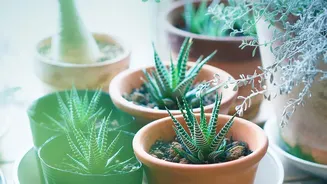
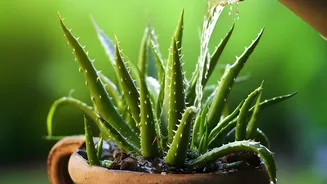
Perhaps the most famous victims of overwatering, succulents (like Jade Plants and Aloe Vera) and cacti are native to arid, desert-like environments. Their entire biology is built around surviving drought. They store water in their fleshy leaves and stems, and their root systems are designed to absorb moisture quickly, not to sit in it. When left in waterlogged soil, their roots decay with alarming speed. For these plants, always err on the side of underwatering. The soil should be allowed to dry out completely between waterings. Using a specialty cactus or succulent potting mix with extra sand or pumice is crucial for providing the sharp drainage they require.
Snake Plants and ZZ Plants
Like succulents, Snake Plants (Sansevieria) and ZZ Plants (Zamioculcas zamiifolia) are renowned for their low-maintenance, drought-tolerant nature. Both plants have rhizomatous root systems that store water and nutrients, making them highly susceptible to rot when overwatered. These hardy houseplants thrive on neglect and should only be watered when the soil is completely dry to the touch, often just once every few weeks. In winter, this can be stretched to a month or even longer. They prefer a well-aerated, fast-draining soil mix and a pot with ample drainage holes.
Orchids
Many popular orchids are epiphytes, meaning they naturally grow on other plants like trees, not in soil. Their roots are adapted to cling to bark and absorb moisture from the humid air and rain, drying out quickly. Potting an orchid in dense, standard potting soil is a recipe for disaster. They require a very coarse, airy medium like bark chips, charcoal, or perlite that allows for excellent air circulation and drainage. Watering should be thorough but infrequent, allowing the potting medium to become almost dry before re-watering. Letting an orchid sit in a saucer of water is one of the fastest ways to induce root rot.
Mediterranean Herbs
Herbs like rosemary, lavender, thyme, and oregano hail from the sunny, rocky hillsides of the Mediterranean. They are adapted to gritty, well-draining soil and periods of dryness. In a pot, they are highly intolerant of 'wet feet.' Heavy, moisture-retentive soil will quickly lead to root decay and a decline in the plant's aromatic oils. When potting these herbs, it’s essential to use a mix amended with sand or perlite to improve drainage. Water them deeply but allow the soil to dry out significantly between sessions. Their foliage will often tell you when they are thirsty.
How to Prevent Waterlogging
Preventing overwatering is easier than trying to cure root rot. First, always use a pot with at least one drainage hole. Second, use a potting mix appropriate for your plant; never use dense garden soil in a container. You can improve any mix by adding perlite or pumice to increase aeration and drainage. Finally, ditch the rigid watering schedule. Before watering, stick your finger two inches into the soil. If it feels moist, wait another day or two before checking again. Lifting the pot to gauge its weight can also tell you if it's still holding a lot of water.