




The Small Space Struggle
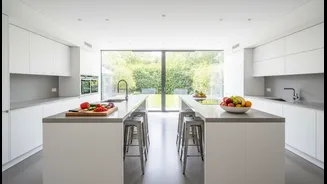
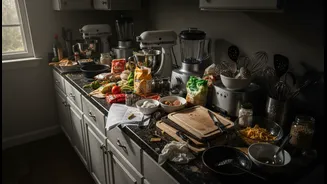
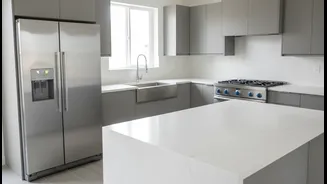
The kitchen is the heart of the home, but when space is tight, it can feel more like its central stress point. Cluttered counters make meal prep a chore, and overflowing drawers turn finding a simple utensil into a frantic search. Research suggests that
a disorganized environment can increase stress levels and reduce focus, making your kitchen a source of anxiety rather than joy. Small kitchens are particularly susceptible to this chaos because every square inch counts. Without a clear system, duplicate gadgets accumulate, miscellaneous items take over precious counter space, and the simple act of cooking becomes inefficient and frustrating.
The Great Duplicate Purge
The first step toward a serene kitchen is a ruthless edit. Professional organizers agree that most homes contain far too many redundant items. Start by taking everything out of a single category—for example, all your cooking utensils. Group like items together and be honest about what you truly need. Do you really use all five spatulas, three whisks, and that collection of mismatched travel mugs? Keep your favorite and most effective tool for each job and commit to letting the rest go. This process instantly frees up a surprising amount of space and is the essential first step before you can even think about organizing. The goal isn't just to tidy up, but to simplify.
A Home for Everything
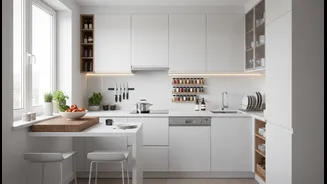
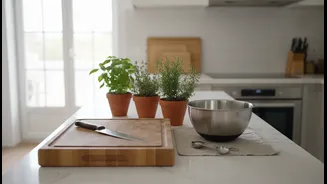
Once you've trimmed down your collection, the next crucial step is to assign a permanent, logical home for every item. This concept, often called “zoning,” is used by professional chefs and organizers to create maximum efficiency. Group items by task and store them where they are most frequently used. For example, all your prep tools—knives, cutting boards, mixing bowls—should live near your largest clear counter space. Pots, pans, and cooking oils should be stored as close to the stove as possible. Everyday plates and cutlery should be near the dishwasher to make unloading a simple task. This system prevents you from crisscrossing the kitchen and turns your cooking process into a smooth, methodical flow.
Smarter Storage Strategies
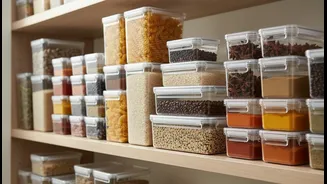
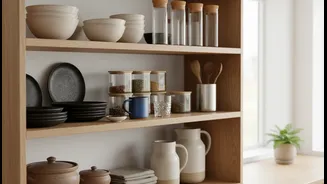
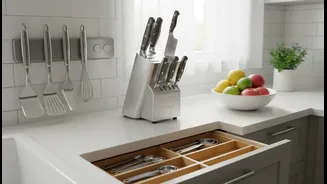
With fewer items and clear zones, you can now maximize the space you have. Think vertically to get items off the counter. Wall-mounted magnetic knife strips, pot racks, or pegboards can free up entire drawers and cabinets. Inside drawers, use dividers to create specific slots for different utensils, preventing them from becoming a jumbled mess. For deep cabinets, which can become black holes for forgotten items, use pull-out baskets or tiered organizers to make everything visible and accessible. Even the inside of a cabinet door can become valuable real estate for storing pot lids or spices. By using these simple tools, you make every inch of your kitchen work harder for you.
Maintaining Your Newfound Order
An organized kitchen is not a one-time project; it's a habit. The key to long-term success is maintenance. Get into the routine of putting things back in their designated home immediately after use. When you buy a new kitchen tool, consider what it’s replacing. Adopt a “one in, one out” policy to prevent duplicates from creeping back in. Regularly doing a quick weekly tidy-up can prevent clutter from accumulating and keep your kitchen feeling spacious and functional. Having less stuff to manage and a clear system in place makes cleaning faster and meal prep more enjoyable, ultimately giving you more time back in your day.