






1. Hydrate, but Make It Warm
While staying hydrated is always important, the monsoon calls for a slight change in strategy. The humid weather can make our digestive system sluggish. Drinking warm water, herbal teas, or clear soups helps stimulate digestion and keeps you comfortable.
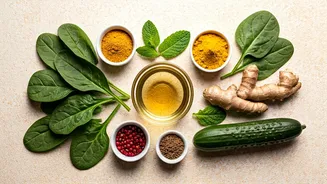
Boiled water is a must, as the risk of waterborne diseases like cholera and typhoid increases significantly during the rainy season. Try infusing your water with ginger, tulsi, or a pinch of cinnamon. These don't just add flavour; they also have antimicrobial properties that can help strengthen your body’s defences against common colds and coughs.
2. Boost Your Immunity Naturally
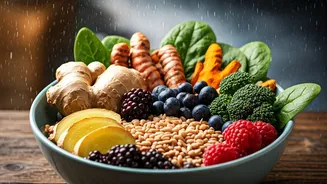
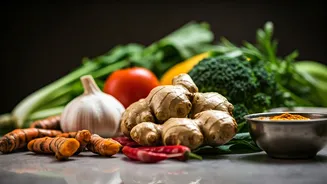
Your kitchen is a treasure trove of immunity-boosting ingredients. Make them a regular part of your monsoon diet. Turmeric, with its powerful anti-inflammatory compound curcumin, is your best friend. Add a pinch to your milk, dal, or sabzi. Ginger and garlic are also superstars. Ginger aids digestion and fights respiratory infections, while garlic is known for its potent antibacterial and antiviral properties. Incorporate them into your daily cooking by adding them to soups, curries, and stir-fries. Amla, or Indian gooseberry, is another excellent source of Vitamin C that can help fortify your immune system against seasonal illnesses.
3. Embrace Light, Gut-Friendly Meals
Heavy, oily, and fried foods are harder for your body to process, especially when your digestive fire (or 'agni,' as per Ayurveda) is weaker during the monsoon. Instead, opt for light and easily digestible meals. Think steamed, grilled, or boiled preparations. Khichdi, made from rice and moong dal, is the perfect monsoon comfort food—it's nutritious, easy on the stomach, and deeply satisfying. Other great options include vegetable stews, light dals, and simple sabzis made with seasonal gourds like lauki (bottle gourd) and tori (ridge gourd).
4. Be Cautious with Raw Foods
The high humidity and moisture in the air create a perfect breeding ground for bacteria and fungi. This makes raw foods, especially leafy green vegetables, a potential risk. While greens like spinach and cabbage are healthy, during the monsoon, they can harbour dirt, germs, and even small insects. If you must have them, ensure they are washed thoroughly in clean, running water (perhaps with a bit of salt or vinegar) and, most importantly, cooked well before consumption. It’s best to avoid raw salads and chutneys made with fresh, uncooked ingredients, especially from outside sources.
5. Say No to Street Food Cravings
The temptation of hot pakoras, samosas, and chaat from a street vendor is strongest during a downpour. However, this is one craving you should resist. The water used in street food preparations might not be filtered, and food left exposed to the humid air can get contaminated quickly. These factors drastically increase the risk of stomach infections, diarrhoea, and other foodborne illnesses. If you're craving these snacks, it's far safer to prepare them at home where you can control the hygiene, quality of ingredients, and the oil used.
6. Add Bitter and Astringent Flavours
Traditional Indian wisdom and Ayurveda suggest including bitter-tasting foods during the monsoon. Ingredients like karela (bitter gourd), neem, and methi (fenugreek) seeds are believed to have anti-infective properties that help keep infections at bay. While their taste might be an acquired one for some, they work wonders for your health by improving digestion and purifying the blood. You can incorporate them into your diet through juices, stir-fries, or by adding them to your dals and curries in moderation. They are particularly effective in preventing skin infections and allergies that are common during this season.
7. Choose Your Proteins Wisely
When it comes to protein, it's wise to be selective during the monsoon. This is often not the best season for heavy consumption of fish and other seafood, as water contamination can be high. If you do eat fish, ensure it is extremely fresh and cooked thoroughly. Red meat can also be heavy on the digestive system. Lighter protein sources like moong dal, chickpeas, and other lentils are excellent choices. Well-cooked chicken in soups or light curries is also a good option. These provide the necessary protein without overburdening your digestive system.