



A Shift in the Work-Life Paradigm
The post-pandemic era has fundamentally changed how we view the office. For a growing number of tech professionals, the office is no longer a building but an internet connection. This newfound flexibility has spurred a migration away from congested, expensive
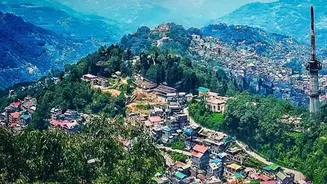
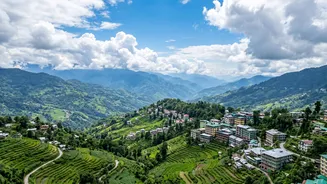
metropolitan hubs towards destinations that offer a higher quality of life. Gangtok, the capital of Sikkim, has emerged as a frontrunner in this movement. It offers what many urban professionals crave: clean air, tranquility, and a slower pace of life, without sacrificing the connectivity needed to stay productive. The trend is not just about a temporary 'workation'; it's about a deliberate lifestyle choice to integrate work with wellness and nature.
The Surprising Productivity of the Monsoon
The idea of heading to a Himalayan town during the rainy season seems counter-intuitive. However, for remote workers, the monsoon is a feature, not a flaw. The persistent rain fosters a cozy, focused atmosphere that is ideal for deep work and concentration. With fewer tourists, the town is quieter, and the usual pressure to go sightseeing is replaced by a calm routine. The sound of rain becomes a natural white noise machine, helping to drown out distractions. For a tech worker on a deadline, this environment is far more conducive to productivity than a bustling city apartment. This period also often sees lower accommodation costs, as it falls in the tourism off-season, making extended stays more affordable.
Infrastructure That Powers Productivity
The dream of working from the mountains would remain just that without the right infrastructure. Gangtok has made significant strides in becoming digitally ready. The city offers reliable high-speed internet through broadband services, and major mobile networks like Airtel and Jio provide strong 4G connectivity in the main town areas. Many hotels, homestays, and the growing number of co-living spaces and paying guest (PG) accommodations offer Wi-Fi with power backups, a crucial factor given the weather. This reliable digital backbone ensures that video calls, large file transfers, and constant online collaboration can happen without a hitch, making Gangtok a genuinely viable alternative to a traditional office.
Finding Community in the Clouds
Remote work can be isolating, but Gangtok’s ecosystem of shared living spaces actively counters this. Co-living hubs, hostels, and community-focused homestays are becoming popular among digital nomads. These spaces are more than just a place to sleep; they are melting pots for like-minded individuals from various professional backgrounds. They foster a sense of community through shared kitchens, common work areas, and social events. This environment allows workers to network, collaborate, and form friendships, combating the loneliness of solo remote work. The government has also recognized this potential, with initiatives like the 'Nomad Sikkim' project establishing Yakten, a nearby village, as India's first official digital nomad village, complete with high-speed internet and dedicated co-working spaces.
An Affordable Upgrade in Lifestyle
For tech workers from cities like Bengaluru, Mumbai, or Delhi, Gangtok offers a significant financial advantage. While not the cheapest hill station, the overall cost of living is considerably lower than in a Tier-1 city. Rent for a comfortable PG or a share in a co-living apartment is a fraction of the price of a city flat. This financial relief, combined with access to fresh, organic local produce and the stunning natural beauty of the Himalayas, represents a substantial upgrade in lifestyle. The money saved on rent and commuting can be spent on weekend treks, exploring local culture, or simply enjoying the cafe scene on MG Marg. It is a trade-off that an increasing number of professionals are finding not just sensible, but deeply rewarding.