




Your First Line of Defence: The Tires
Before you even think about playlists and snacks, your attention must be on the only part of your car that touches the road. During the monsoon, roads are slick with a mixture of water, oil, and grime, drastically reducing grip. The greatest danger is hydroplaning,
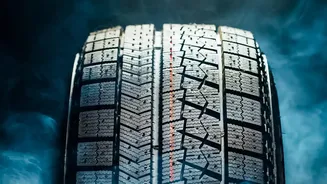
a terrifying phenomenon where a layer of water builds up between your tires and the road surface. This causes the vehicle to lose traction, effectively turning it into an uncontrollable sled. Properly maintained tires are designed specifically to combat this by channelling water away, ensuring the rubber stays in contact with the asphalt. Ignoring tire health in the monsoon isn't just risky; it's an invitation for disaster.
The Essential Three-Point Tire Check
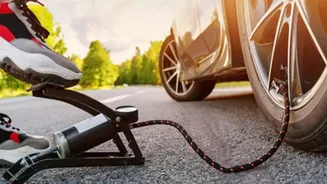
A pre-trip tire inspection is non-negotiable. First, check the tread depth. The grooves on your tires are what push water away. Experts recommend replacing tires when the tread depth falls below 4/32 of an inch for safe wet-weather driving. In India, a minimum legal depth is often cited as 1.6mm. If the tread wear indicator bars are flush with the tread, it's time for a replacement. Second, verify your tire pressure. Use a reliable gauge to ensure they are inflated to the manufacturer's recommended level, which is usually found on a sticker inside the driver's door jamb. Both underinflated and overinflated tires can reduce your grip on wet surfaces. Finally, perform a visual inspection. Look for any cracks, bulges, or embedded objects that could lead to a failure at the worst possible time.
Your Modern Co-Pilot: Smart Route Tracking
Gone are the days of relying solely on a paper map. For a monsoon trip, especially overnight, your navigation app is a dynamic safety tool. Standard apps like Google Maps are essential for real-time traffic updates, which can alert you to waterlogging or accident-related delays. However, the real advantage lies in planning for weather-related hazards. Some regions are prone to landslides and flash floods, and staying updated is critical. Before you leave, check weather forecasts for your entire route, not just the destination. If you're heading to hilly areas, be particularly cautious, as conditions can change in an instant.
Leveraging Technology for Real-Time Safety
Modern navigation involves more than just finding the quickest path. It's about finding the safest one. Specialized apps can even integrate weather forecasts directly into your route, showing you where you're likely to encounter heavy rain or storms. This allows you to make informed decisions, like delaying your departure or choosing an alternative, safer route. For overnight journeys, avoiding travel after dark in hilly or unfamiliar areas is a wise precaution. Reduced visibility from rain and fog, combined with the higher chance of unlit obstacles, significantly increases risk. Use your app's data to plan your stops and ensure you reach a safe lodging before nightfall.
The Lifeline of Sharing Your Journey
One of the most crucial safety features for overnight or remote travel is the ability to share your live location. Before you begin your drive, tell someone your intended route and estimated arrival time. Many apps, including Google Maps and dedicated safety apps like Glympse or GeoZilla, allow you to share a real-time link with family or friends. This provides a vital safety net. If you deviate from your route, get stuck, or are delayed without a signal, your trusted contacts will have your last known location, which can be critical in an emergency. It's a simple step that transforms your smartphone from a navigation tool into a personal tracking beacon, providing peace of mind for both you and your loved ones.