

Upgrade Your Cookware
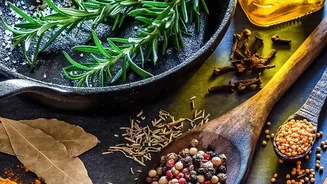
One of the most effective ways to reduce oil is to invest in the right tools. A good quality non-stick pan or a well-seasoned cast-iron kadhai can drastically cut down on the amount of oil needed to prevent food from sticking. The slick surface allows
you to sauté vegetables or make a cheela with just a minimal coating of oil, sometimes as little as a teaspoon, compared to several tablespoons in traditional cookware. This single change can make a significant difference in your daily oil consumption without altering your recipes.
Embrace New Cooking Methods
Deep-frying is a staple of many beloved Indian snacks, but it's also where the most oil is consumed. Consider alternative cooking methods that deliver great texture with a fraction of the fat. Air frying, for example, can make samosas, pakoras, and tikkis crispy using up to 80% less oil. Baking and grilling are also excellent for preparing items like kebabs or vegetables that you might otherwise fry. These methods use hot air to cook the food, creating a satisfyingly crisp exterior without submerging it in oil, which also makes them healthier.
Sauté with Water or Broth
The base of many Indian curries starts with sautéing onions, ginger, garlic, and tomatoes. The default is to use a generous pour of oil, but this is often unnecessary. Try using a few tablespoons of water or vegetable stock to get the process started. As the water evaporates, it steams and softens the aromatics. If the pan gets dry, simply add another splash. This technique, known as water sautéing, builds a flavourful masala base without the heavy, oily feel, allowing the taste of the spices to shine through.
Measure, Don't Pour
It’s a simple habit, but it’s incredibly effective. Many home cooks pour oil directly from the bottle into the pan, making it difficult to judge the quantity. This often leads to using far more than needed. Instead, make it a rule to measure your oil with a tablespoon. This small act of mindfulness makes you aware of how much you're using and can help you cut back significantly. For an even lighter touch, an oil mister or spray bottle allows you to coat the entire surface of a pan with a very fine layer of oil.
Get Smart with Marinades and Thickeners
Oil is often used in marinades and to create rich, thick gravies. However, there are healthier, low-oil alternatives that work just as well. For marinades, use thick yoghurt (curd), which tenderises meat and paneer beautifully while adding a creamy texture. When it comes to thickening curries, instead of relying on oil-heavy fried onion pastes, consider using natural thickeners like a small amount of pureed pumpkin, boiled dal, or even nut pastes like cashew or almond in moderation.
Harness the Power of Steam
Steaming is a zero-oil cooking method that preserves the nutrients and natural flavours of food exceptionally well. It's perfect for vegetables, fish, and classic Indian snacks like dhokla and momos. Instead of cooking vegetables entirely in an oily sabzi, try steaming them first until they are tender-crisp. You can then finish the dish with a light tadka using just half a teaspoon of high-quality, cold-pressed oil to impart flavour, rather than using oil as the primary cooking medium. This preserves both nutrients and taste.