


The Taste of a Memory
That sudden, intense desire for chai and pakoras is a perfect example of sensory memory at work. Our senses of taste and smell are uniquely wired to the brain's memory and emotion centres—the hippocampus and amygdala. This connection is so strong that
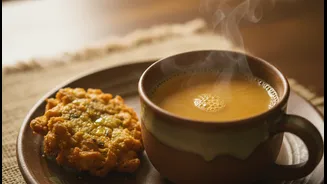
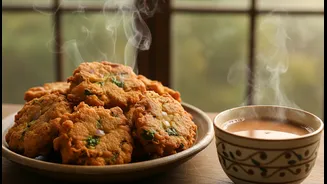
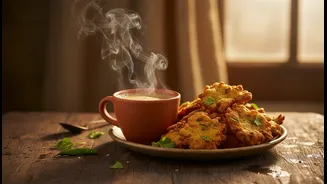
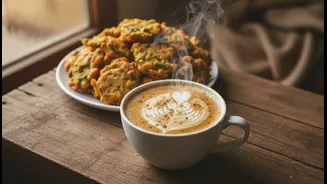
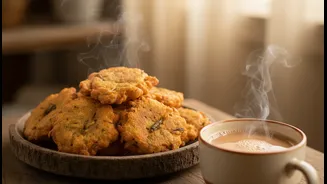
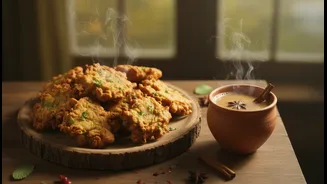
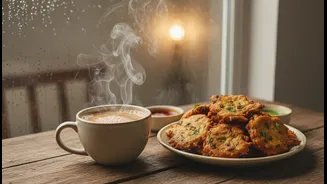
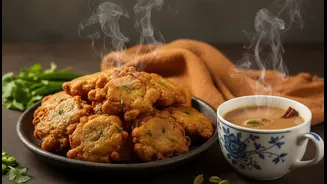
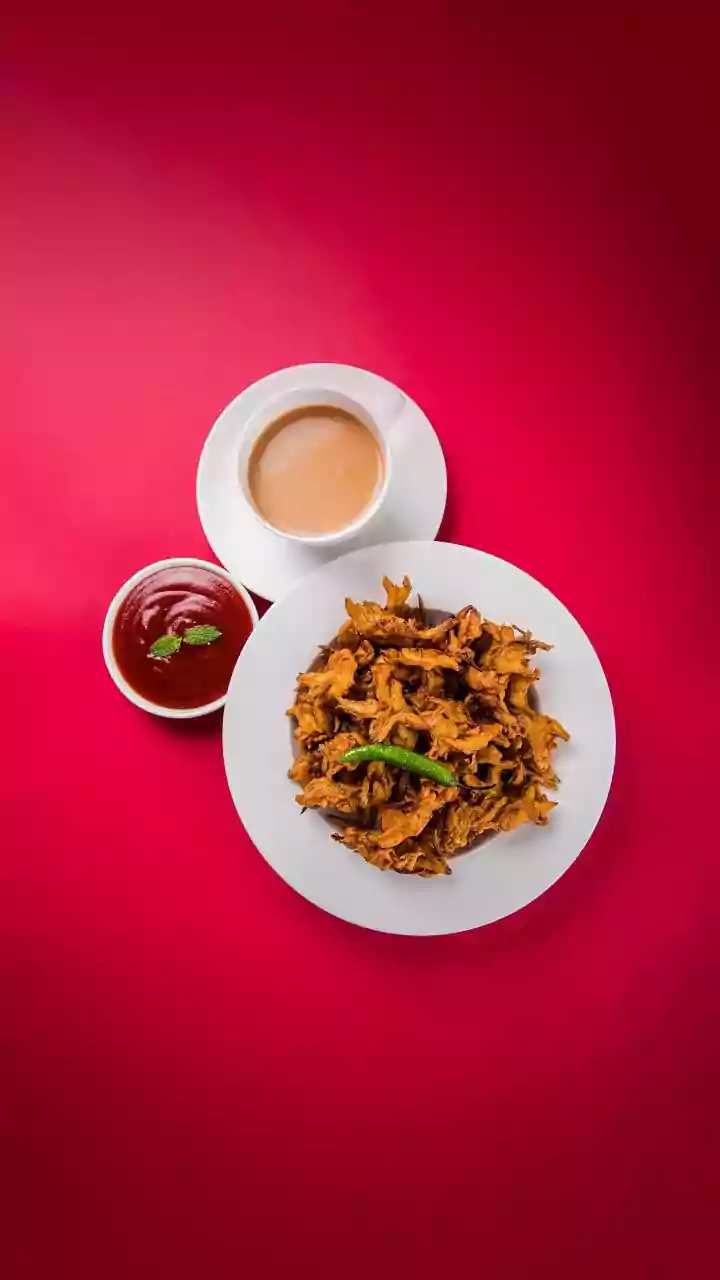
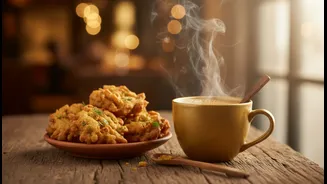
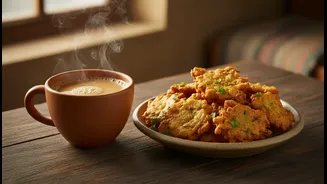
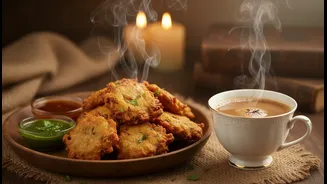
scientists have a name for it: the Proust effect, named after the novelist Marcel Proust who was famously transported back to his childhood by the taste of a tea-soaked cake. When you crave chai and pakoras, you're not just craving food; you're craving the memories and feelings associated with them. The aroma of ginger and cardamom in the chai, the sound of sputtering oil, the crispy texture of the pakora—all of these are cues that unlock a flood of autobiographical memories, often of family, comfort, and safety. Research confirms that food-evoked nostalgia can increase feelings of optimism, social connection, and the sense that life is meaningful.
An Unofficial National Ritual
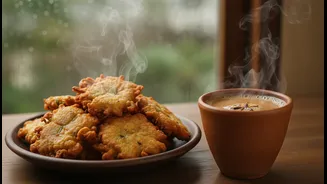
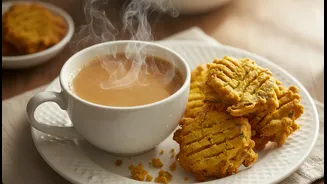
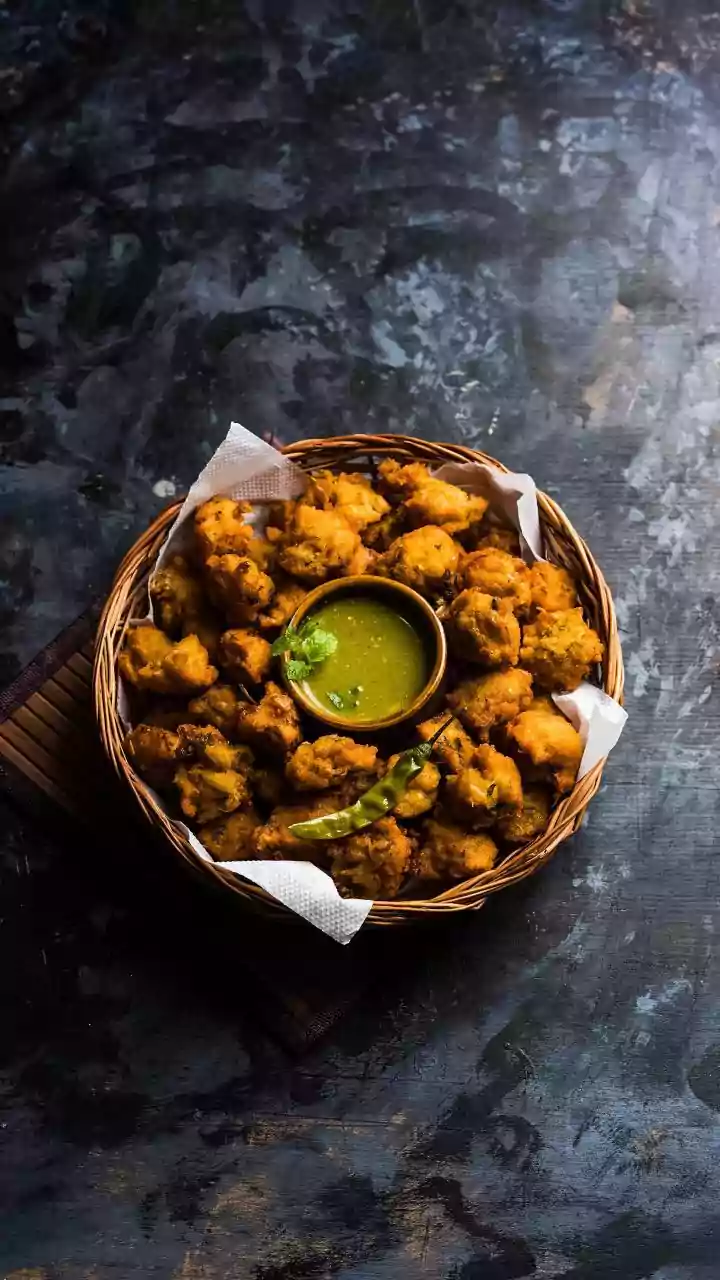
While the pairing of chai and pakoras during the monsoon might feel ancient, it's a relatively modern tradition that became widespread in the mid-20th century. As tea became more accessible post-independence and street food culture flourished, this combination became the unofficial cuisine of the Indian rains. It’s a ritual that goes beyond just eating and drinking. It’s about the deliberate act of slowing down, gathering with family or friends, and finding a moment of collective comfort while the world outside is drenched. The very act of preparing the snacks—the chopping of onions and potatoes, the mixing of the gram flour batter—is part of the ceremony. The contrast in textures is also key: the hot, liquid chai against the crunchy, deep-fried pakora creates a deeply satisfying sensory experience that our brains are wired to seek out. This multisensory engagement is what elevates a simple snack into a cherished cultural ritual.
Evolving Tastes in a Modern India
But what happens to these rituals in an era of fast-paced, urban life? The traditions are adapting. Today, the pakora might be made in an air-fryer to cut down on oil. The chai might come from a tea bag or an instant-mix packet. Cafes and delivery apps offer gourmet versions of these classics, allowing the ritual to continue even without a home kitchen or the time to cook from scratch. While some may argue this dilutes the authenticity, it also shows the ritual's resilience. The fundamental need for the comfort it provides remains unchanged. Just as food offerings in temples have evolved from traditional grains to packaged sweets, our everyday food rituals are also being updated to fit modern tastes and lifestyles. The core desire for that specific combination of warmth, spice, and crunch persists, even if the method of preparation changes.
The Future of Comfort
The enduring craving for chai and pakoras reveals something profound about our relationship with food. In a world of fleeting digital trends, our sensory memories anchor us. They provide a direct link to our past, our heritage, and our emotional core. The future of this ritual, then, isn't about whether it will survive, but how it will continue to transform. The core components—the comforting warmth, the satisfying crunch, the evocative spices—are timeless. As long as there are rainy days, there will be a longing for the comfort these foods provide. The specific form may change, but the craving itself, rooted deep in sensory memory, is here to stay. It’s a reminder that even the simplest foods can carry the weight of our personal and collective histories, offering a taste of home no matter how much the world changes around us.