






The Elixir We All Grew Up With
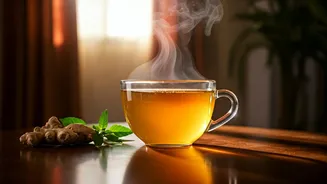
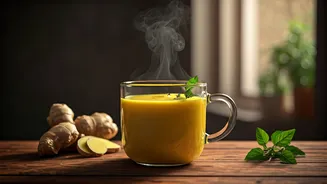
The drink making a powerful comeback is none other than *kadha*. For generations of Indians, this word conjures memories of a steaming, potent brew prepared by a mother or grandmother at the first sign of a sniffle. A traditional Ayurvedic decoction,
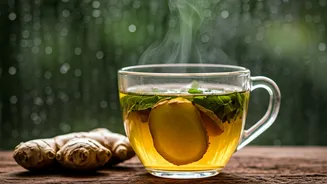
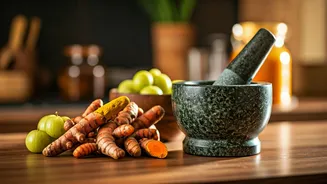
*kadha* is essentially a herbal tea made by simmering a variety of spices and herbs in water. The ingredient list is fluid, changing from household to household, but typically includes staples like ginger, black pepper, cloves, cinnamon, and tulsi (holy basil), often sweetened with a spoonful of honey.
Why Is It Suddenly So Popular?
While *kadha* never truly left our kitchens, its recent surge in mainstream popularity is undeniable. The primary driver has been a collective shift towards wellness and immunity, a trend significantly amplified in recent years. As people began seeking natural ways to support their health, this traditional Indian wisdom found a new, younger audience. The monsoon, with its associated rise in colds and flu, has always been peak *kadha* season. But now, it's not just a remedy; it's a proactive wellness ritual. This revival is also part of a larger cultural movement embracing and celebrating indigenous practices, from yoga to local superfoods.
From Kitchen Remedy to Cafe Staple
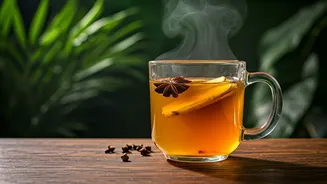
The most visible sign of *kadha's* comeback is its appearance on cafe menus across the country. Once strictly a home-brewed concoction, it's now being reinterpreted by baristas and restaurateurs. You can find everything from classic, no-frills 'Grandma's Kadha' to more inventive 'Kadha Shots'—concentrated, potent servings designed for a quick wellness boost. Some cafes are experimenting with infusions, adding ingredients like lemongrass, star anise, or even a splash of orange juice to make the flavour profile more complex and appealing to a modern palate. It has been successfully rebranded from a 'medicine' you have to drink into a 'wellness beverage' you choose to enjoy.
The Science of Comfort and Wellness
The enduring appeal of *kadha* lies in its ingredients, many of which are now studied for their beneficial properties. Ginger, for instance, is well-known for its anti-inflammatory and digestive benefits. Tulsi is revered in Ayurveda as an adaptogen, believed to help the body manage stress. Black pepper and cloves are packed with antioxidants and have antimicrobial properties. Honey not only soothes a sore throat but also adds its own antibacterial qualities. While *kadha* is not a magic cure, its components work in synergy to create a drink that is both soothing and supportive of the body's natural defences, making it a perfect companion for damp, chilly weather.
Brewing Your Own Hug in a Mug
The beauty of *kadha* is its simplicity and adaptability. To make a basic version at home, you don't need a precise recipe, just a sense of balance. Start by crushing a small piece of ginger and a few black peppercorns. Add them to two cups of water along with 4-5 tulsi leaves, a couple of cloves, and a small stick of cinnamon. Let the mixture simmer on low heat for 10-15 minutes, until the water has reduced by about half and turned a rich, dark colour. Strain the liquid into a cup and stir in a teaspoon of honey or jaggery just before drinking. Feel free to experiment by adding other spices like cardamom or ajwain (carom seeds) to find the blend that works best for you.