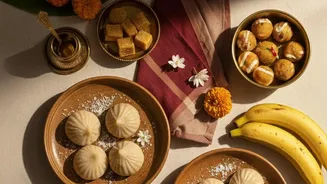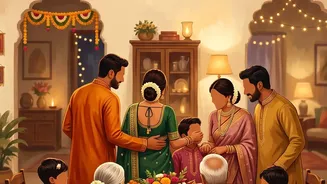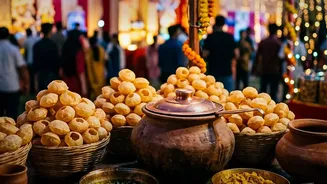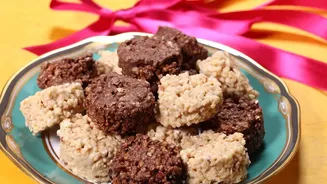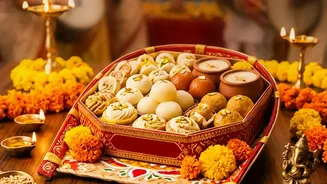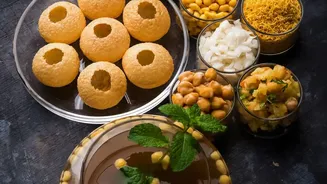



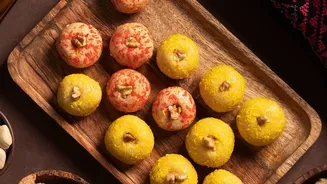
The aroma of ghee, sugar, and spices simmering on the stove is a powerful festive memory. But in today's fast-paced world, a growing number of Indian kitchens are embracing a new tradition: the beautifully packaged box of store-bought treats.
The Allure of Convenience
The most
significant driver behind the shift to ready-made festive food is time. With urbanisation, demanding work schedules, and nuclear family structures, the days once spent meticulously preparing elaborate sweets and snacks are a luxury many can no longer afford. Festival preparations, which include cleaning, shopping, and social obligations, can leave hosts exhausted. For many, ordering sweets online or picking them up from a local shop is not just easier; it's a practical necessity that frees them up to enjoy the celebrations. This convenience has been met by a market ready to serve, with online delivery platforms and local confectioners making it simpler than ever to access a wide variety of treats.
The Enduring Power of Homemade
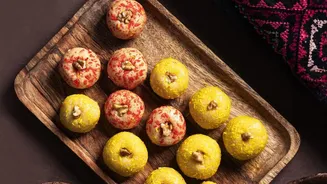
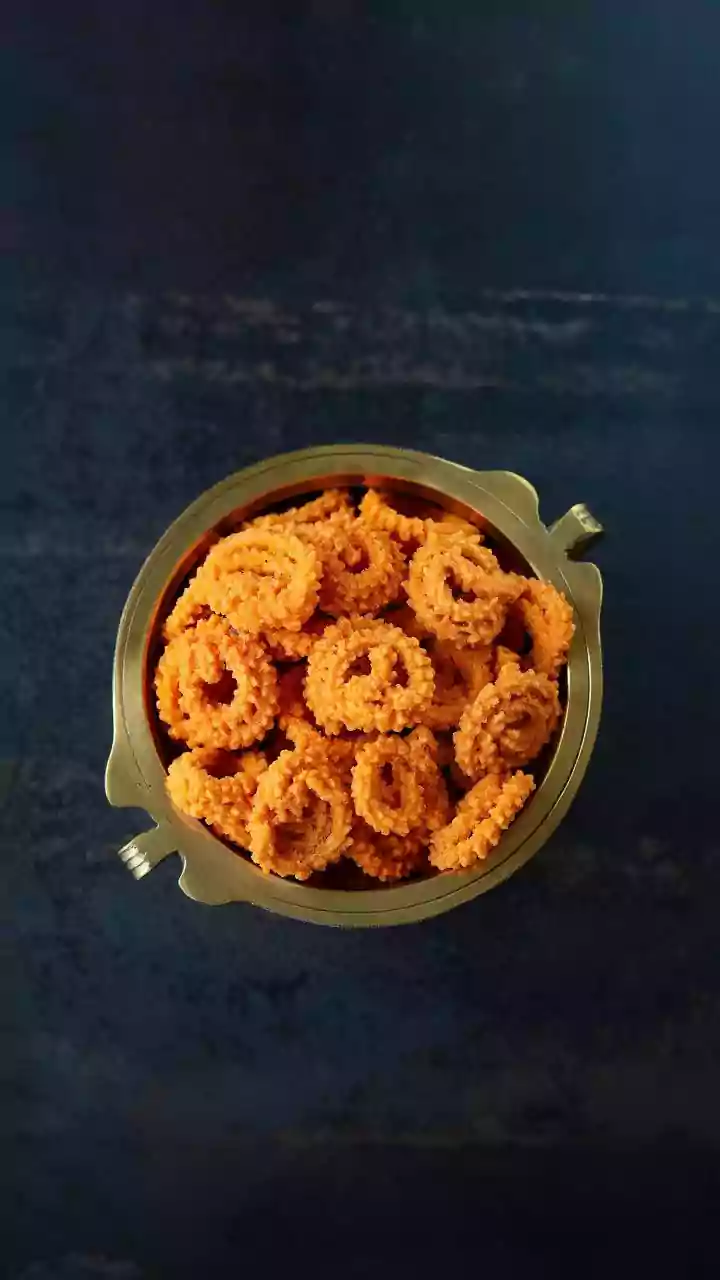
Despite the undeniable pull of convenience, the tradition of homemade festive food remains deeply cherished. Recipes passed down through generations are more than just instructions; they are a connection to family history and cultural identity. The process of making sweets together is a bonding experience, creating memories that a store-bought box cannot replicate. Many also favour homemade treats for the control they offer over ingredients. Amid growing health consciousness, making laddoos or murukku at home allows for the use of better-quality oils, swapping refined sugar for jaggery, and ensuring there are no artificial preservatives.
The Market Responds with a 'Homely' Touch
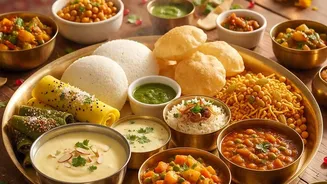
The market for festive treats has evolved far beyond generic, mass-produced mithai. A new wave of 'premium' and 'artisanal' brands is closing the gap between store-bought and homemade. These businesses emphasise high-quality ingredients, hygienic preparation, and authentic, regional recipes that evoke a sense of nostalgia. Furthermore, many brands are innovating to meet modern dietary preferences, offering sugar-free, vegan, baked, or millet-based versions of traditional classics. This allows consumers to enjoy the convenience of buying without feeling like they are compromising on health or authentic flavour. The rise of 'homepreneurs' leveraging social media to sell their own traditional specialities has also provided a popular middle ground.
Finding a New Festive Equilibrium
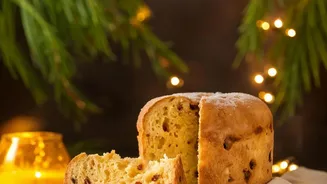
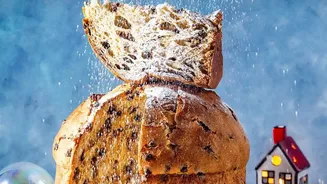
For most modern Indian households, the choice is no longer a strict 'either/or' but a flexible blend of both. It's about finding a new equilibrium. A family might decide to buy their stock of kaju katli and chakli but reserve their time and energy for preparing one or two signature homemade dishes that are central to their family tradition. This hybrid approach allows for the preservation of meaningful rituals while embracing the practicalities of modern life. The festive table is expanding to include not just traditional mithai but also contemporary desserts like cheesecakes and gourmet chocolates, reflecting an evolving palate that values both authenticity and novelty.