




The Protein Priority for Growth
Protein is the essential building block for the human body, crucial for repairing and building muscle tissue, especially in active young adults. When you exercise, you create tiny tears in your muscles; protein provides the amino acids needed to patch
them up, making them stronger. For vegetarians, meeting these higher protein needs requires a smart approach. While animal products are often seen as the go-to protein source, a well-planned vegetarian diet can easily provide all the necessary fuel for muscle growth and recovery. The key is to focus on protein-dense foods and ensure you're getting a complete amino acid profile throughout the day.
Lentils: The Fibre-Rich Foundation
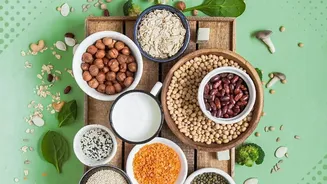
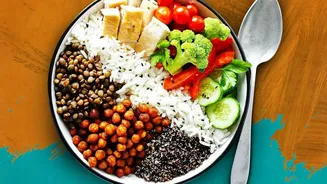
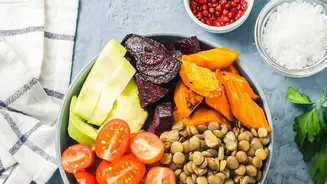
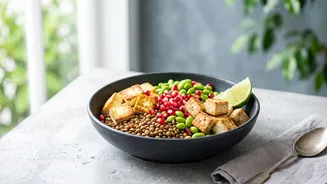
Lentils are a vegetarian powerhouse and a fantastic starting point for any muscle-focused diet. A single cooked cup delivers around 18 grams of protein, nearly the same as two large eggs. Beyond protein, lentils are packed with dietary fibre, which aids digestion and helps maintain stable blood sugar levels for sustained energy during workouts. They are also an excellent source of iron, which is vital for transporting oxygen to your muscles. While lentils are not a 'complete protein' on their own, they are rich in certain essential amino acids. Combining them with other foods like grains or dairy easily fills this gap. Their affordability and versatility make them an easy staple to include in daily meals, from thick dals and soups to salads and veggie burgers.
Paneer: The Complete Protein Powerhouse
A staple in Indian households, paneer is an invaluable asset for vegetarian athletes. Made from milk, paneer is a 'complete protein', meaning it contains all nine essential amino acids your body needs for muscle synthesis. A 100-gram serving can provide a substantial 18-20 grams of protein. Paneer is particularly rich in casein, a slow-digesting protein. This quality makes it incredibly effective for muscle recovery, as it provides a steady supply of amino acids over several hours, helping to prevent muscle breakdown long after a meal or even overnight if consumed in the evening. Its combination of protein and healthy fats offers sustained energy, making it a great choice before or after a workout.
Tofu: The Versatile Muscle Builder
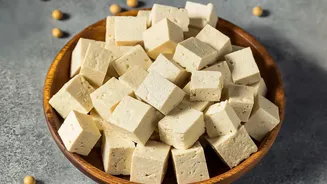
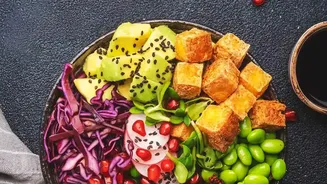
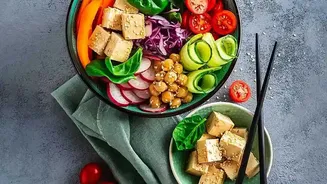
Tofu, made from soybeans, is another plant-based complete protein that deserves a place on your plate. Like paneer, it contains all nine essential amino acids, making it an excellent alternative to meat for muscle building. Depending on its firmness, a 100-gram serving can offer anywhere from 8 to 19 grams of protein. Tofu is also incredibly versatile; firm tofu is great for stir-fries, grilling, or scrambles, while silken tofu can be blended into smoothies for a protein boost. Unlike full-fat paneer, tofu is lower in calories and saturated fat, making it a leaner option for those managing their overall calorie intake while aiming for high protein.
The Synergy: Better Together
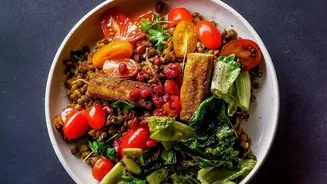
While each of these ingredients is powerful on its own, combining them creates a truly robust nutritional strategy. By rotating through lentils, paneer, and tofu, you ensure a varied intake of micronutrients and prevent dietary boredom. You can also combine them in a single meal for maximum impact. Imagine a hearty lentil curry with cubes of both paneer and tofu, a dish that delivers a multi-textured experience and a broad spectrum of amino acids. Another idea is a high-protein 'bhurji' or scramble that includes crumbled paneer, firm tofu, and a base of cooked lentils and spices. This approach not only boosts the total protein count but also creates complex, satisfying meals that support your fitness goals without compromise.
Building Your Plate for Muscle
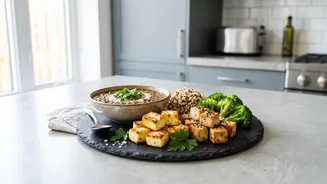
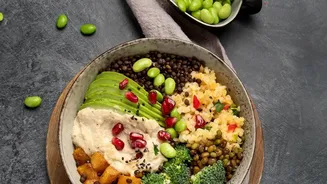
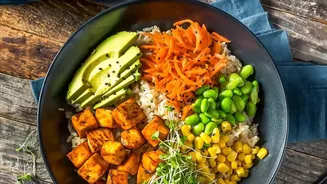
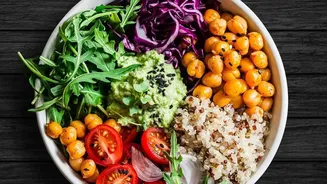
A simple template for a muscle-building vegetarian meal should include a significant portion of one or more of our hero ingredients. Aim for about 20-30 grams of protein per meal to optimize muscle protein synthesis. This could look like a large bowl of dal with 150 grams of paneer stirred in, or a tofu stir-fry served alongside a lentil-based salad. Don't forget to complete your plate with complex carbohydrates like brown rice or whole-wheat roti for energy, and plenty of colourful vegetables for essential vitamins and minerals. The goal is not just to eat more protein, but to build balanced, nutrient-dense meals that fuel your body for performance and growth. By making lentils, paneer, and tofu your dietary allies, you can build serious muscle power the vegetarian way.