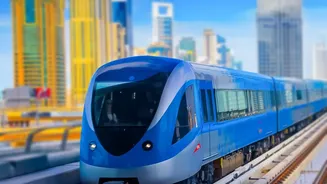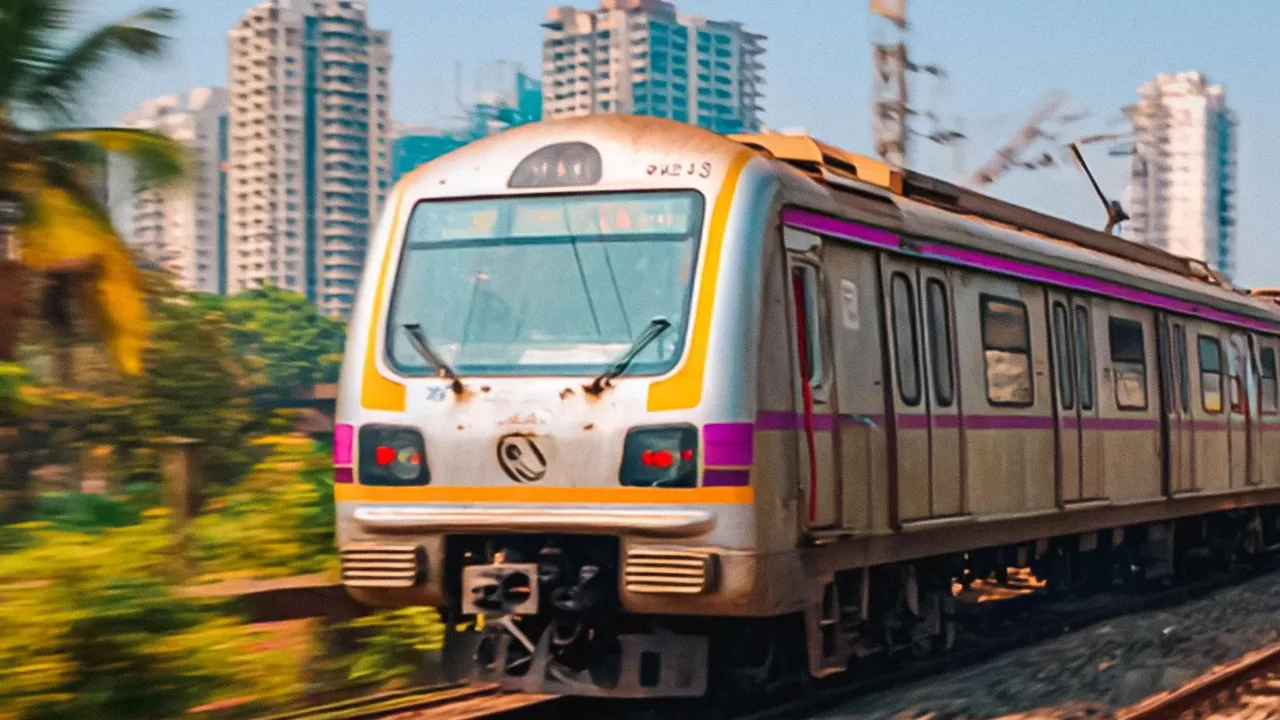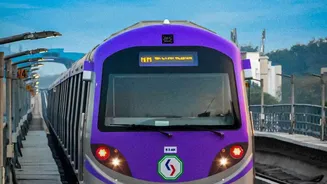






A New Milestone for Indian Infrastructure
On November 2, 2026, the Delhi Metro's driverless corridors achieved a remarkable feat, carrying 1.6 million passengers in a single day. This pre-Diwali travel surge highlighted the immense capacity of the automated system, where roughly one in every
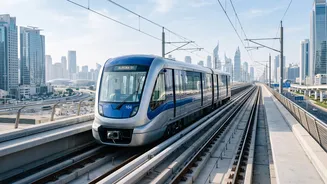
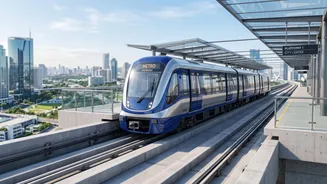
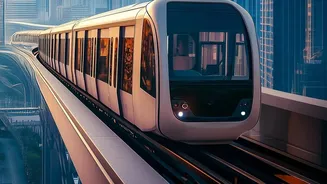
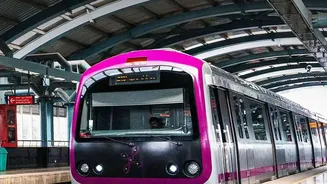
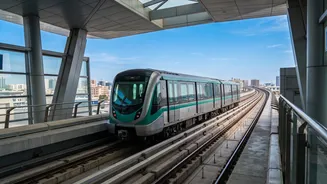
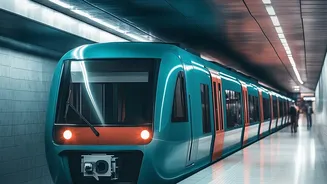
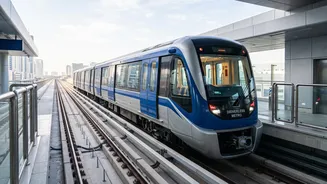
five metro commuters that day used a train without a driver. This achievement wasn't on a small, experimental track; it unfolded across a sprawling 120-kilometre network spanning the Magenta and Pink lines. This makes Delhi Metro's driverless operation one of the largest in the world, a significant milestone since the first automated service was launched in December 2020. The system, officially called Unattended Train Operation (UTO), now accounts for nearly 30% of the entire DMRC network, showcasing a massive leap in technological adoption for India's public infrastructure.
The Technology Behind the 'Magic'
So, how does a train navigate the city's complex web of tunnels and elevated tracks without a human at the controls? The answer lies in a sophisticated technology called Communication-Based Train Control (CBTC). Unlike traditional systems that rely on trackside signals, CBTC uses continuous, high-speed radio communication between the train and a central command centre. This allows for real-time tracking of each train's exact position, speed, and distance from the one ahead. The system can automatically control acceleration, braking, and door operations, ensuring precision and safety. To make it all work seamlessly, the platforms are equipped with screen doors to prevent accidents, and the trains conduct exhaustive self-diagnostic checks before each journey, enhancing overall reliability. While it sounds futuristic, the DMRC has progressively rolled out this technology, with roving attendants initially on board to ensure public confidence before moving to a fully unattended model.
What It Means for the Daily Commuter
For the millions of people navigating Delhi NCR, this technological advancement translates into tangible, everyday benefits. Automation allows the DMRC to operate trains at a higher frequency, meaning shorter waiting times on the platform—a huge relief during peak hours. The precision of the CBTC system allows headways (the time between two consecutive trains) to be safely reduced to as little as 90 seconds. This flexibility is crucial for managing the city's massive passenger volumes. Furthermore, automated controls lead to smoother acceleration and braking, resulting in a more comfortable journey. By removing the possibility of human error in routine operations, the system enhances safety and ensures a high degree of punctuality, which the DMRC states is around 99.9%. More trains are also available for service, as the space for a driver's cabin can eventually be repurposed for passengers.
Challenges and the Road Ahead
The success of the driverless lines has sparked a nationwide debate about whether other Indian cities should follow suit. Proponents, including DMRC's Managing Director Vikas Kumar, point to the gains in flexibility, efficiency, and reliability. However, critics raise valid concerns about the high initial capital investment required for such advanced systems and the potential impact on jobs. Addressing these fears, the DMRC has stated that train operators from the automated lines have not been laid off but were instead redeployed to other crucial roles like station management and crowd control. The path forward for Delhi Metro is clear. With Phase IV expansion projects underway, the driverless network is set to expand to nearly 198 kilometres, further cementing its status as a global leader in urban transit automation. This expansion includes extending the Magenta and Pink lines and introducing driverless operations on the new Golden Line, promising an even more integrated and efficient network for the future.